
Adding Value Beyond Color: The Power of Texture Printing
Adding Value Beyond Color: The Power of Texture Printing
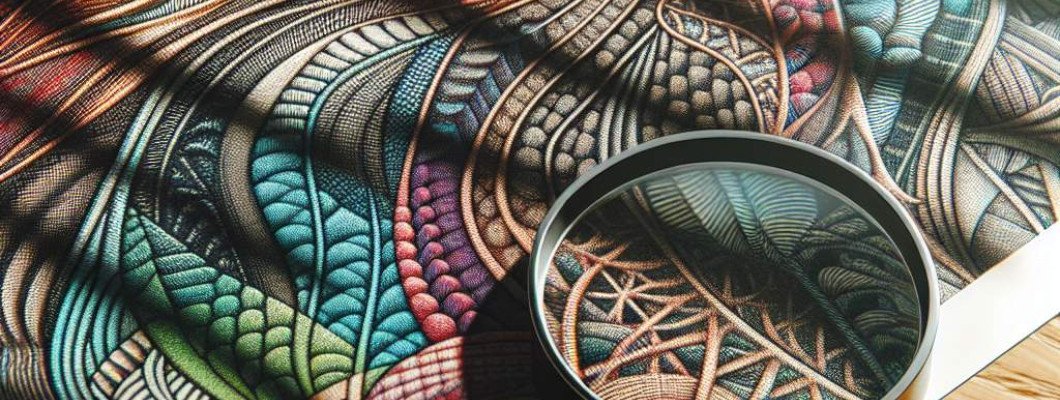
In the ever-evolving world of printing, companies are continually seeking innovative ways to make their products stand out. While vibrant colors have long been the hallmark of eye-catching designs, there's a growing appreciation for the tactile experience that textures can provide. Texture printing has emerged as a powerful tool, enabling brands to add depth, dimension, and sophistication to their visual communications. By embracing texture, businesses can transform ordinary prints into sensory-rich experiences that captivate and engage audiences on a whole new level.
Understanding Texture Printing and Its Significance
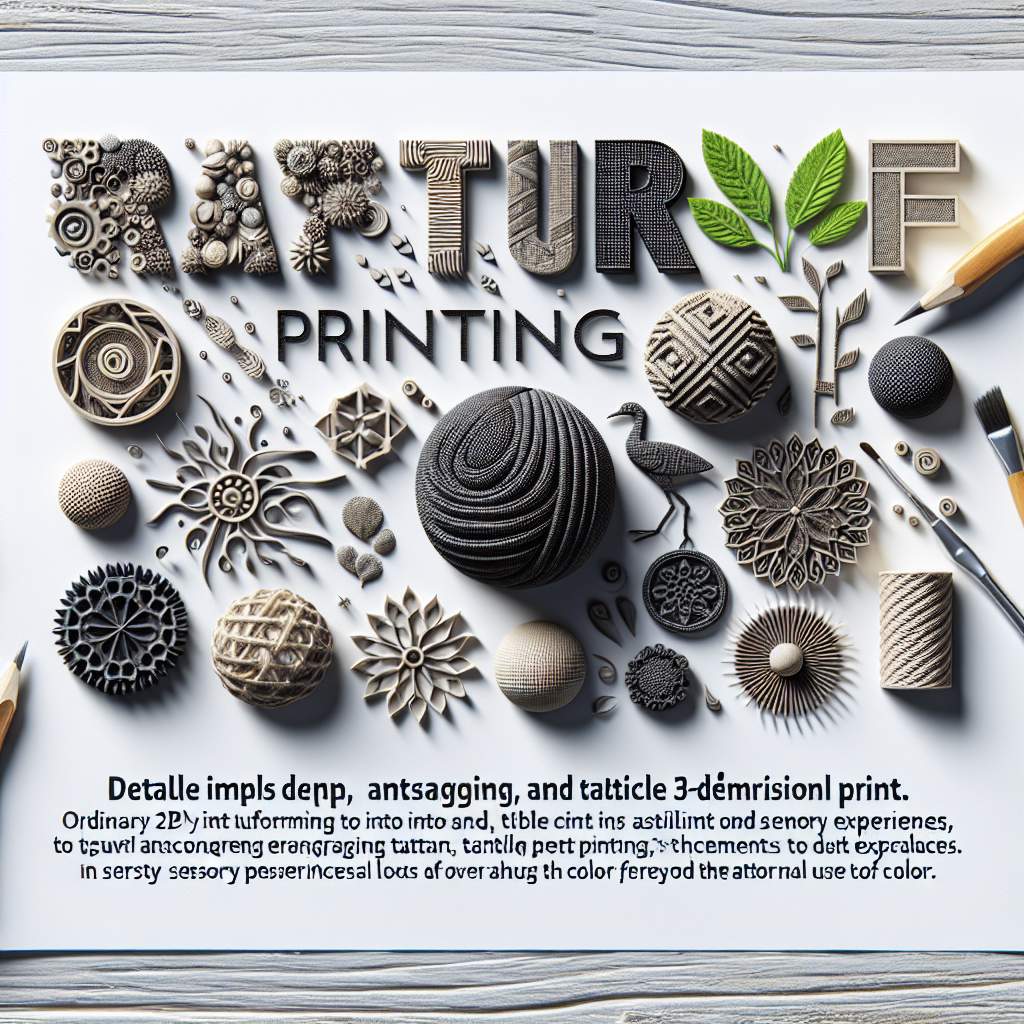
Texture printing involves the application of raised or embossed patterns directly onto substrates, such as paper, plastic, metal, or fabric. Unlike traditional flat printing, which relies solely on color to convey information, texture printing integrates tactile elements that your fingertips can feel. This adds an extra layer of meaning and luxury to printed materials, increasing their perceived value. Whether used for packaging, business cards, labels, or signage, textured prints evoke a sense of craftsmanship and attention to detail, often leaving a lasting impression on recipients.
The Benefits of Incorporating Texture in Your Printing Projects
There are many compelling reasons to include texture in your printed materials. Firstly, it enhances visual interest. By adding tactile elements, you create a multisensory experience that draws attention more effectively than flat designs. This is especially beneficial in competitive markets where grabbing consumer interest is vital. Additionally, textured printing conveys a sense of luxury and exclusivity, making your products feel premium and distinctive.
Furthermore, texture can serve functional purposes, such as improving grip or readability. For example, embossed labels or grips can make handling products easier, while textured backgrounds can improve contrast and visibility. The versatility of texture printing also allows for creative expression, enabling designers to experiment with patterns, depths, and finishes that align with brand identity. Ultimately, integrating textures can elevate your brand perception, foster customer engagement, and foster emotional connections with your audience.
Common Techniques in Texture Printing
Various methods are used to achieve exquisite textured effects, each suited for different materials and project goals:
- Embossing and Debossing: Creates a raised or recessed design, adding dimension and tactile appeal. Embossing elevates elements, while debossing presses them inward, both offering a sophisticated look.
- Relief Printing: Combines embossing with printing inks for textured visuals that pop out visually and to the touch.
- UV Coatings and Matte Finishes: Add tactile surfaces that can be glossed or matte to enhance visual contrast and feel.
- Textured Sheets and Substrates: Using pre-patterned or textured materials as a base for printing can produce unique effects without additional processes.
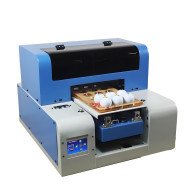
Choosing the right technique depends on factors like project budget, desired effect, and substrate compatibility. Modern digital solutions, such as UV and LED printers, have expanded the possibilities, allowing for precise, high-quality textured prints on a variety of materials.
Integrating Texture Printing into Your Workflow
Adopting texture printing into your production process is more accessible than ever. Advanced digital printers, such as UV printers, can handle textured effects efficiently, offering speed and accuracy. The key is to collaborate with experienced printing providers who understand the nuances of textured finishes and can guide you in selecting the best options for your projects.
Design considerations are also crucial. Ensure your artwork accommodates raised or embossed elements, and consider how textures align with overall branding. Testing prototypes before mass production can help fine-tune the tactile and visual effects, ensuring the final output exceeds expectations. Additionally, educate your team about the benefits and care instructions for textured prints, especially for packaging and handling, to maintain quality over time.
Real-World Applications of Texture Printing
Texture printing is versatile and finds application across numerous industries. Here are some inspiring examples:
- Luxury Packaging: Embossed logos or patterns elevate product presentation, making items feel premium and exclusive.
- Business Cards and Stationery: Raised elements create memorable impressions, reinforcing brand identity and professionalism.
- Labels and Tags: Textured surfaces improve grip, prevent counterfeiting, and enhance aesthetic appeal.
- Signage and Displays: Dimensional signs attract attention and improve visibility in retail environments.
- Art and Creative Projects: Artists leverage textures for tactile art pieces that challenge and delight viewers.
Combining Color and Texture for Maximum Impact
While texture alone is impactful, combining it with vibrant colors amplifies the overall effect. Contrast between glossy and matte finishes, or the interplay of textured patterns with vivid inks, creates visual interest that captures attention instantly. Experimenting with different combinations allows brands to craft distinctive visual identities that are both striking and memorable. This synergy can distinguish your products in crowded markets and reinforce your branding message effectively.
Future Trends in Texture Printing
The future of texture printing is poised for exciting innovations. Advances in digital technology enable even more complex and precise raised patterns, including micro-textures that are felt only upon close inspection. Incorporating sustainable and eco-friendly materials aligns with the growing emphasis on environmental responsibility, offering textured solutions that are both beautiful and sustainable. Additionally, developing smart textures that respond to touch or light could open new dimensions in interactive packaging and promotional materials.
Conclusion: Elevate Your Prints with Texture
Incorporating texture into your printing projects enhances sensory engagement, elevates perceived quality, and differentiates your brand. As illustrated, a variety of techniques and applications make it possible for every business to explore and leverage textured printing creatively. With the right partner and innovative technology like UV printing solutions, you can achieve stunning effects on diverse substrates, pushing the boundaries of traditional print design. Don't limit your creativity to color alone—add the power of texture to truly bring your visions to life and leave an indelible impression on your audience.














Leave a Comment