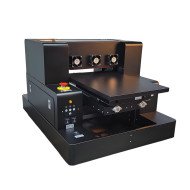
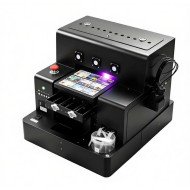
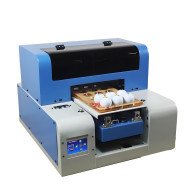
A3 Spot UV Printing Machine Faces Infrastructure Integration Challenges
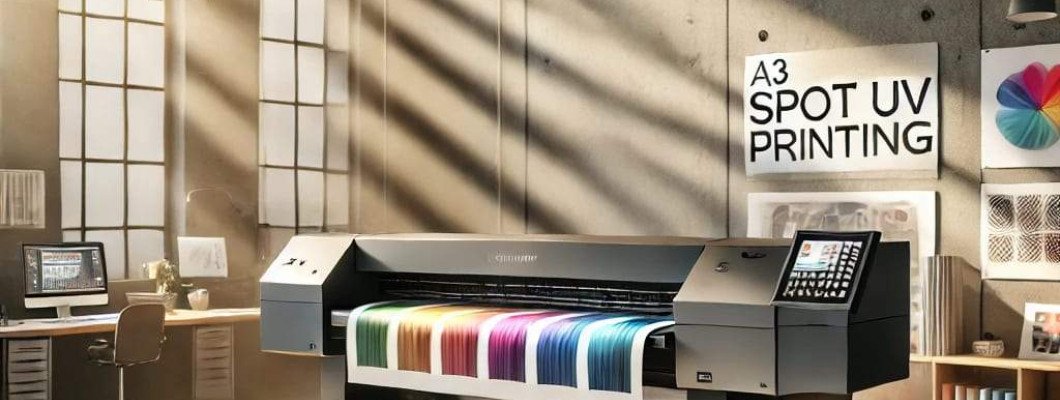
The Industrial Reality
In large-scale printing operations, the integration of an A3 Spot UV Printing Machine into existing infrastructure presents unique challenges. These machines, pivotal for adding special effects and coating layers to printed materials, require a precise blend of hardware compatibility and environmental conditions. Companies often overlook the nuances of integrating such advanced equipment, leading to operational inefficiencies and resource wastage.
Consider a medium-sized print shop aiming to upgrade its finishing capabilities. The decision to incorporate a UV Coating Printer isn't just about technology acquisition; it involves a multidimensional approach that considers power requirements, physical space, and environmental controls. Ignoring these factors can lead to performance bottlenecks that undermine investment benefits.
Technical Deep-Dive
Power and Thermal Dynamics
The A3 Spot UV Printing Machine typically demands high power input, often in the range of 2-5 kW, affecting the facility's overall power budget. Additionally, UV lamps generate significant thermal output that can disrupt ambient conditions if not managed properly. Cooling systems must align with thermal profiles to prevent overheating and ensure consistent performance.
Structural Integration
A typical UV coating printer requires a footprint of approximately 1.8m x 1.2m. Considerations include load-bearing capacities of the installation floor and clearances for maintenance access. Miscalculations here could lead to structural damage or reduced operational efficiency.
Networking Complexities
Modern printers demand robust network integration for both control and data management. The printer's internal processing capabilities, often centered around a multi-core CPU with a minimum of 4GB of RAM, must seamlessly connect with existing IT infrastructure to avoid data bottlenecks in high-volume scenarios.
Compatibility and Software Dependencies
The A3 machine's ability to accept multiple substrate types depends significantly on its firmware and driver compatibility with host systems. Proprietary software solutions must seamlessly integrate with existing ERP systems to maintain workflow fluidity.
Environmental Compliance
UV printing involves volatile organic compounds (VOCs) and ozone emissions. Compliance with local environmental regulations necessitates specific HVAC solutions to maintain air quality standards without compromising print quality.
| Specification | Local Configuration | Industry Configuration |
|---|---|---|
| Power Input | 220V, 3kW | 240V, 5kW |
| Network Requirements | Ethernet, 1Gbps | Fiber, 10Gbps |
| Cooling Requirements | 2kW A/C | Centralized HVAC system |
Scenario Analysis
Let's explore three scenarios. A local print shop integrates a new A3 UV printer without upgrading its HVAC system, leading to temperature fluctuations that compromise print quality. In contrast, a large enterprise with centralized cooling achieves stable environmental conditions, maximizing uptime and throughput.
Another scenario involves software integration. A small business lacking robust IT support might struggle with driver conflicts, impacting operation fluidity. Conversely, organizations with dedicated IT resources ensure seamless integration, leveraging the printer’s high-speed capabilities.
Finally, a compliance-focused use case where a business adheres to strict VOC limits. A firm with advanced air filtration systems can fully utilize UV coatings without regulatory repercussions, whereas a competitor without these systems faces potential fines and operational halts.
Expert FAQ
Q1: How does power fluctuation affect UV curing performance?
A1: It can lead to uneven curing, affecting print consistency.
Q2: What are the common networking issues faced during integration?
A2: Bandwidth limitations leading to data dropouts and processing delays.
Q3: How crucial is substrate flexibility for a UV coating printer?
A3: Extremely, as it determines the range of printable materials and applications.
Q4: What environmental controls are necessary for optimal operation?
A4: Temperature stabilization, air quality management, and humidity control.
Q5: Is software compatibility a major hurdle?
A5: Yes, especially when integrating with existing enterprise systems.
Strategic Verdict
The integration of an A3 Spot UV Printing Machine is far from straightforward. The complexities of power management, structural accommodation, and environmental compliance must be meticulously planned. As the industry progresses, manufacturers might innovate in creating more self-contained, adaptive solutions, reducing the integration burden on end-users. However, as it stands, successfully incorporating these machines into a production workflow demands thorough planning and investment in infrastructure compatibility.