Assessing the Bridging Gap in Edible Printing Technology

The Industrial Reality
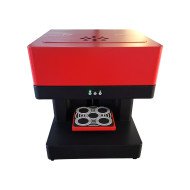
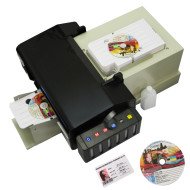
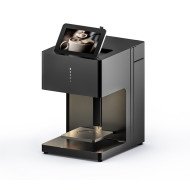
Exploring the nuances between DIY and industrial-grade edible printing, the A3 Edible Food Printer offers unique opportunities and challenges. For businesses looking to scale, understanding this gap is crucial. The device needs to provide high precision, maintain food safety standards, and offer consistent quality output to outperform domestic alternatives.
Technical Deep-Dive
Precision and Resolution Analysis
The printer boasts a resolution of 1200 dpi, ensuring high-quality images on various substrates such as cakes and cookies. However, industrial-grade competitors may offer finer resolutions reaching up to 1440 dpi, impacting final product appearance.
Printhead Technology
Using piezoelectric printheads, this printer offers durable performance, with a lifecycle of over 20 million actuations. Comparative models in industrial settings might push this limit further, reducing downtime and maintenance frequency.
Material Compatibility and Versatility
While supporting a wide range of edible inks, the compatibility with substrates remains an area for scrutiny, often dictating the operational flexibility of the deployment in a commercial kitchen.
Food Safety Compliance
Compliance with FDA and EU food safety guidelines is non-negotiable. Analyzing the materials and construction of consumable parts ensures conformance with stringent health regulations.
Operational Efficiency Metrics
The throughput of this printer is rated at 20 sheets/hour. In industrial applications, achieving higher outputs with consistent quality could require more robust machinery.
| Feature | A3 Edible Food Printer | Industrial Competitor |
|---|---|---|
| Resolution | 1200 dpi | 1440 dpi |
| Printhead Lifecycle | 20 million actuations | 25 million actuations |
| Throughput | 20 sheets/hour | 30 sheets/hour |
Scenario Analysis
Three distinct business contexts—artisan bakeries, mass-production lines, and educational institutions—showcase varying impacts. Artisan bakeries benefit from artisan-level outputs, while mass-production lines struggle with speed limitations. In educational contexts, this printer introduces students to industry standards without the prohibitive costs of industrial-grade machines.
Expert FAQ
How does print resolution affect final product quality? Higher dpi results in finer details, crucial for high-end designs.
What is the impact of ink chemistry on food safety? FDA-compliant inks ensure safe consumption, requiring strict adherence to quality.
Can this printer handle continuous operation? With proper maintenance, it sustains regular use, but extensive periods may affect lifespan.
Are there any regional compatibility issues? Voltage and frequency specifications should match regional standards.
What about custom substrates? Compatibility depends on thickness and material properties, which need assessment before use.
Strategic Verdict
The future of the A3 Edible Food Printer lies in enhancing precision and operational efficiency. While currently bridging the gap between DIY and industrial-grade solutions, continued innovation and adaptation to industry demands will determine its long-term viability in competitive markets.