
A Practical Guide to DTG Printer Price and Printing T-Shirt Equipment
A Practical Guide to DTG Printer Price and Printing T-Shirt Equipment
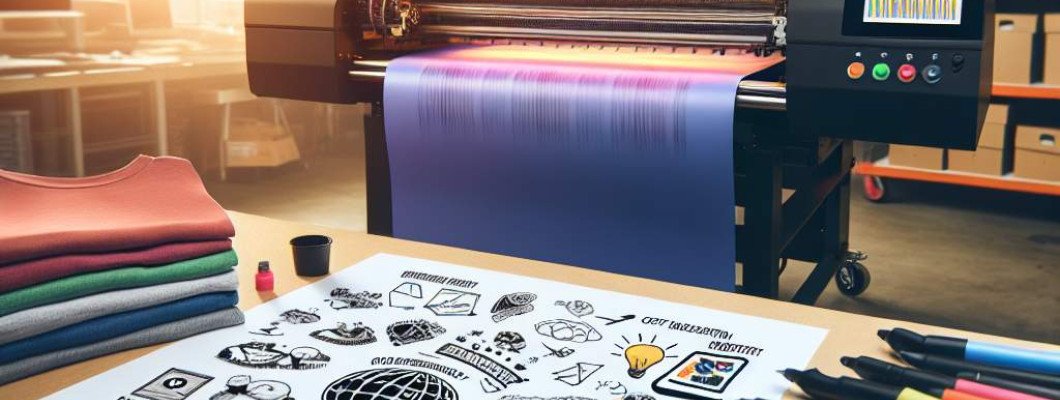
In recent years, the demand for customized and high-quality T-shirts has skyrocketed, making Direct-to-Garment (DTG) printing an essential technology for startups, small businesses, and entrepreneurs looking to enter the apparel printing industry. Whether you are just starting out or expanding your existing business, understanding the nuances of DTG printer pricing and the necessary equipment is crucial to making informed decisions and ensuring profitability. This guide aims to walk you through key aspects of DTG printers, including their cost factors, features, and essential equipment needed for successful T-shirt printing.
Understanding the Basic Cost Components of DTG Printers
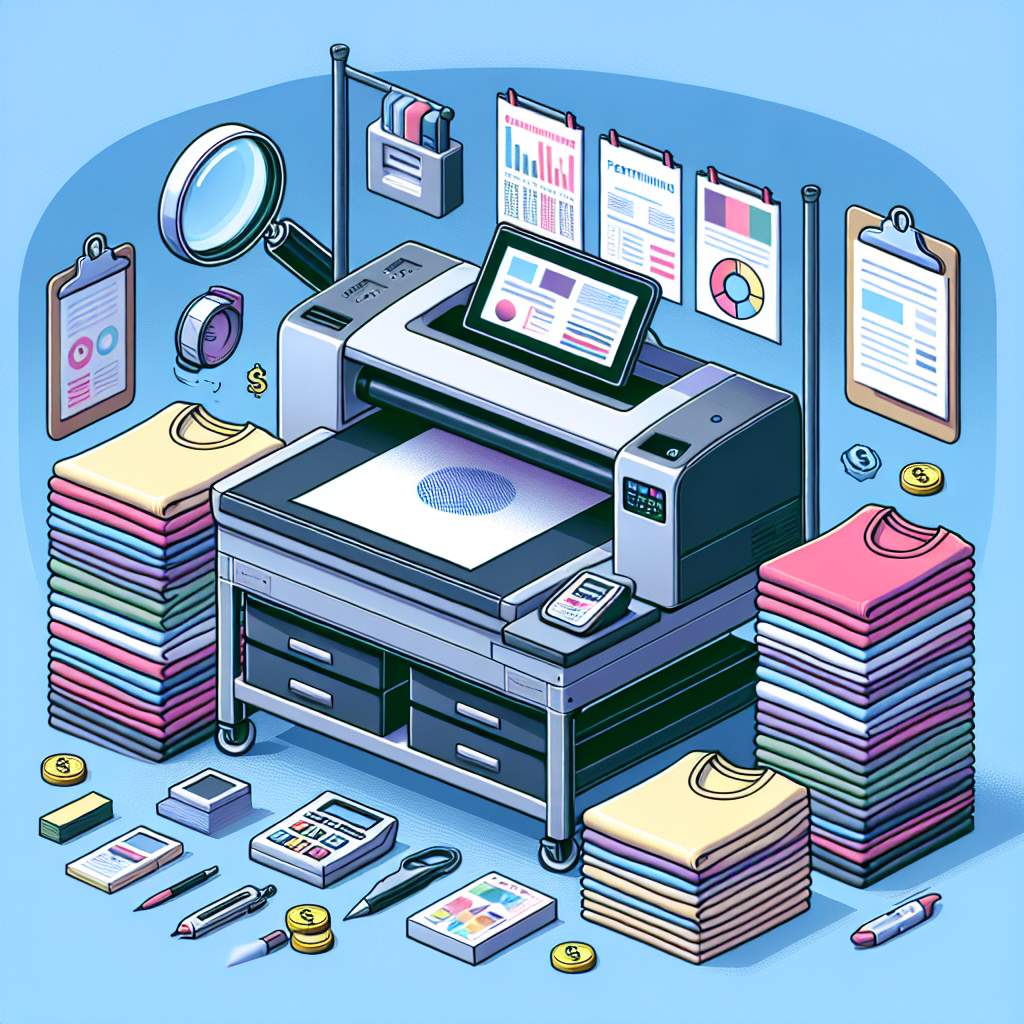
When considering purchasing a DTG printer, one of the first questions that arise is: How much does it cost? DTG printers come in a wide range of prices, typically from approximately $2,000 to over $20,000, depending on features, print quality, and brand reputation. It's important to evaluate what these price points represent and how they align with your business goals. Low-cost models might be appealing for startups or hobbyists, but they often come with limitations such as slower print speeds, lower resolution, or reduced durability . Conversely, higher-end models offer advanced features, faster processing, and better print quality, making them suitable for large-scale production but requiring a larger initial investment.
Factors Influencing DTG Printer Pricing
Several key factors influence the price of a DTG printer, and understanding these will help you make smarter purchasing decisions. These include print resolution, print bed size, printing speed, brand reputation, and included features such as software compatibility and maintenance ease . For instance, a standard desktop DTG printer with a 12" x 12" print area may start around $3,000, while larger models capable of printing on multiple shirt sizes at higher speeds could cost upwards of $20,000 or more. Additionally, newer printers equipped with upgraded print heads, advanced ink systems, and automation features tend to be more expensive but offer better quality output and operational efficiency.
Evaluating Print Quality and Speed
Print quality remains one of the most critical considerations when choosing a DTG printer. Higher resolution (measured in DPI - dots per inch) translates into sharper, more vibrant images. Typically, professional-grade DTG printers offer resolutions of 1200 DPI or higher, ensuring detailed and long-lasting prints. Speed also matters, especially for businesses with high-volume orders. A printer's print speed can be gauged in how many shirts it can produce per hour. High-speed printers may cost more but are vital for fulfilling orders efficiently, especially during peak seasons .
Essential Equipment for T-Shirt Printing
While the core of your setup will be the DTG printer itself, other equipment is vital for smooth operation and high-quality output. These include a pre-treatment machine or solution, a heat press, curing ovens, and a reliable computer system with design software. Pre-treatment solutions are necessary to prepare garments for optimal ink adhesion, which affects the durability and vibrancy of your prints. A quality heat press ensures that designs are properly bonded to fabric, while curing ovens or flash dryers set the ink, preventing cracking or fading over time .
Choosing the Right DTG Printer for Your Business
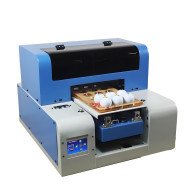
If you're unsure about the specific model that fits your budget and production needs, exploring detailed specifications and customer reviews can be invaluable. For example, popular models like the A3 DTG Printer offer a balance of affordability, reliability, and quality suitable for small to medium-sized businesses. Investing in a versatile and user-friendly printer can save time and reduce operational challenges, leading to more satisfied customers and a more successful enterprise .
Financial Planning and Return on Investment (ROI)
Understanding the costs involved is only part of the equation—calculating the expected ROI is equally important. Consider the initial investment in the printer and equipment, ongoing expenses like ink, pretreatment solutions, maintenance, electricity, and labor. Comparing these costs against the projected sales volume will help determine the breakeven point and profitability timeline. Typically, a higher-quality DTG printer may cost more upfront but can produce better results faster, resulting in higher revenues and customer satisfaction over time .
Additional Tips for Cost Savings and Efficiency
To maximize your investment, look for ways to reduce operational costs without compromising quality. Buying ink in bulk, maintaining the printer regularly, and training staff properly can improve efficiency and lifespan of your equipment. Furthermore, negotiating with suppliers and seeking bundle deals that include necessary accessories can lead to significant savings. Keeping abreast of new developments and technological advances will also ensure you stay competitive in a dynamic market .
Conclusion
Venturing into DTG printing requires careful consideration of both initial costs and ongoing expenses. By understanding the factors that influence printer pricing and thoroughly evaluating your business needs, you can select equipment that offers a balance between quality and affordability. Remember that investing in reliable, high-performance equipment, like the [A3 DTG Printer](https://www.gnfei.com/products/a3-dtg-printer.html), can enhance your product quality and operational efficiency, leading to happier customers and greater profitability. As the market continues to evolve, staying informed and adaptable will ensure your T-shirt printing business thrives in a competitive landscape.














Leave a Comment