8 Things Nobody Tells You About Using a DTG Printer
8 Things Nobody Tells You About Using a DTG Printer
The world of textile printing has evolved immensely, and one innovation that's disrupted the industry like no other is the dtg printer. Short for Direct-to-Garment printer, this versatile technology enables businesses to print high-resolution, full-color designs directly onto fabrics with unmatched precision and speed. However, while DTG printers are celebrated for their advanced capabilities, there’s much more under the surface that even seasoned users might not know. In this guide, we’ll uncover the untold truths and insider tips about using a DTG printer to empower your printing business for optimal performance and increased ROI.
1. DTG Printers Are Not Just for T-Shirts
While t-shirts are the most common garments printed using a DTG printer, the versatility of this technology goes far beyond. DTG printers can handle hoodies, tote bags, hats (with platen attachments), and even denim jackets. By leveraging specialized platens and garment size adjustments, businesses can expand their product portfolios, reaching new markets and tapping into niche needs.
Expandability with DTG Printer Attachments
- Custom platens for hats and caps.
- Wide-bed platens for larger fabrics like hoodies and aprons.
- Foam pads for 3D objects like shoes or sleeves.
These options give businesses more flexibility, allowing for higher customization and increased profitability.
2. Pretreatment is as Important as Printing
One of the lesser-known aspects of using a DTG printer is the critical role of fabric pretreatment. A pretreatment solution ensures the ink bonds correctly to the fabric, providing sharp, vibrant, and durable prints. Skipping or incorrectly applying pretreatment can lead to faded finishes, uneven colors, or ink bleeding on garments.
Tips for Perfect Pretreatment
- Use a dedicated pretreatment machine for consistent application.
- Calibrate your pretreatment settings for each fabric type.
- Allow garments to dry properly before printing to maximize ink adherence.
Investing in quality pretreatment equipment can drastically boost the quality and longevity of your prints.
3. Not All Fabrics Are DTG-Compatible
DTG printing primarily works best on 100% cotton garments due to the ink's reliance on water-reactive bonding. While certain poly-cotton blends may be used, fabrics like polyester and nylon require advanced hybrid techniques or an alternative printing solution such as sublimation or DTF (Direct-to-Film).
Maximizing Your DTG Printer Use
- Use high-cotton-content garments for vibrant, crisp prints.
- Consider fabric pretesting to determine compatibility.
- Experiment with blended fabrics using different ink settings.
Understanding fabric compatibility will save time, reduce waste, and produce better print outcomes.
4. Post-Curing is Key to Durability
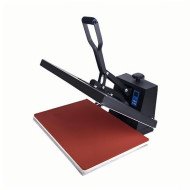
After printing, garments require a curing process to lock in the ink and improve durability. Heat presses, conveyor dryers, or flash cure systems are commonly used for this post-printing step. Many users underestimate the impact of curing time and temperature settings on the final print quality.
Optimizing the Curing Process
For most garments, a heat press set to 330°F for 35-45 seconds with medium pressure will ensure proper curing. However, experimenting with different curing times depending on the fabric and ink layer can optimize print outcomes.
5. Ink and Maintenance Costs Are Manageable with Proper Planning
One common myth about DTG printers is that the ink and maintenance costs are overwhelming. The truth? These costs can be controlled efficiently with proper usage and regular machine upkeep. Modern DTG printers, like those available at GNFEI TECHNOLOGY, boast advanced ink efficiency technology to lower running costs without compromising on quality.
Pro Tips for Reducing Costs
- Monitor ink levels and only refill as needed to avoid excess wastage.
- Regularly clean the printheads to prevent clogs, which can waste ink.
- Utilize automatic maintenance cycles where possible.
Predictive maintenance and planning for routine upkeep can save a business thousands of dollars annually.
6. Environmental Concerns Are Easily Addressed
Skeptical about the ecological impact of using a DTG printer? The good news is that most DTG inks today are water-based and eco-friendly, designed to minimize environmental harm. Manufacturers like GNFEI TECHNOLOGY prioritize eco-conscious innovations by using biodegradable inks and energy-efficient machine designs.
How DTG Printing Supports Sustainability
- Water-based inks reduce toxic chemical discharge.
- On-demand printing minimizes large-scale manufacturing waste.
- Compatible with sustainable garment options, like organic cotton.
By integrating eco-friendly practices, your DTG business can align with today’s growing demand for green solutions.
7. Scalability Depends on Your Printer’s Capabilities
As your printing business grows, scalability becomes a concern. Not all DTG printers are optimized for high-volume production. When comparing models, prioritize those with dual platen systems, automated height adjustments, and advanced printhead technologies.
The Advantages of High-Performance DTG Printers
- Dual platens double printing output by allowing two garments to be prepped simultaneously.
- Integrated sensors ensure minimal downtime caused by garment misalignment.
- Faster print speeds benefit bulk orders and enterprise-level operations.
GNFEI TECHNOLOGY offers printers tailored to scalable business models, ensuring you meet client needs with reduced turnaround times.
8. ROI Potential Is Higher Than You Think
Investing in a high-quality DTG printer might seem like a significant upfront expense, but the long-term return on investment (ROI) can be substantial. By reducing labor costs associated with traditional screen printing and enabling on-demand customization, DTG pays for itself quickly.
Case Study: DTG Printer ROI
For example, printing 50 custom t-shirts per week with an average profit of $10 per shirt equates to $500 per week or $26,000 per year. Given the durability and speed of a GNFEI DTG printer, break-even can occur as quickly as six months, especially when coupled with proper marketing strategies to maximize order volume.
Strategic upgrades to equipment and diversification into apparel niches can further amplify profits, making a DTG printer an invaluable tool for any textile printing business.