8 Reasons Why a DTG Printer Might Not Be the Game-Changer You Think
8 Reasons Why a DTG Printer Might Not Be the Game-Changer You Think
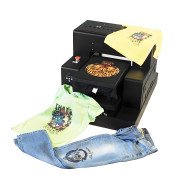
Direct-to-garment (DTG) printing has made waves in the garment printing industry, with its promise of vibrant, high-quality prints and the ability to create custom designs in minutes. However, for all its cutting-edge capabilities, investing in a dtg printer isn’t always the slam dunk it seems to be. Below, we’ll explore eight critical aspects where DTG printers might fall short of expectations, providing you with a clearer picture before making a purchase decision.
1. High Upfront Costs of a DTG Printer
DTG printers are sophisticated pieces of machinery, employing advanced inkjet technology to produce high-resolution designs directly onto textiles. This precision comes at a price. High-quality, entry-level DTG printers can cost upwards of $10,000, with premium models exceeding $50,000. Businesses need to carefully calculate their return on investment (ROI) to ensure such a sizable expense aligns with their production goals and profit margins.
Consider Long-Term Operational Costs
Expense does not stop at the purchase price. Consumables such as inks, pretreatment solutions, and maintenance supplies can drive up operational costs significantly. Moreover, periodic replacement of print heads and other wear-and-tear components adds to long-term ownership costs. Prospective buyers must evaluate whether the volume and pricing of their DTG printing operations will justify these recurring expenses.
2. Maintenance Intensiveness of DTG Printing
One of the less glamorous aspects of owning a DTG printer is the rigorous maintenance it demands. Inkjet technology relies on nozzles that are prone to clogging, especially with white inks that tend to settle and harden. To maintain optimal performance, regular cleaning cycles and proper printer storage are essential.
Downtime Risks from Clogged Print Heads
If neglected, clogged print heads can lead to costly downtime and inconsistent print quality. High-end systems may include automated cleaning functions, but even these require diligent oversight by operators. For businesses operating in high-demand environments, such interruptions can lead to missed orders and lost revenue.
3. Complications with Pretreatment and Fabric Compatibility
For a DTG printer to produce vibrant and durable prints, pretreating garments is often necessary. This additional step involves applying a chemical coating to the fabric to ensure the ink binds effectively. However, pretreatment application is both time-consuming and prone to errors, which can spoil entire batches of prints.
Limited Material Compatibility
A DTG printer is ideal for 100% cotton or cotton-rich blends, but struggles with synthetic fabrics like polyester. While DTG technology is continually improving, businesses may face limitations in catering to customers requiring non-cotton garments or specialty textiles.
4. Slower Printing Speeds Compared to Other Methods
DTG printing produces stunning designs, but speed is not its strong suit. Compared to screen printing, which excels in bulk production, DTG is slower because it applies the ink directly onto the garment. Small businesses and custom shops may find this acceptable, but enterprises with high-volume needs could face significant bottlenecks.
Batch Processing Constraints
For businesses looking to fulfill hundreds or thousands of units within a tight deadline, DTG printers may struggle to keep up. Automated screen printing lines, by comparison, can process dozens of garments simultaneously, making them more suitable for large-scale workflows.
5. Environmental Concerns Around DTG Printer Ink
While many tout DTG printing as eco-friendly due to its low wastage and water-based inks, there are still environmental considerations. Disposal of leftover inks, cleaning solutions, and pretreatment chemicals must comply with local regulations to minimize ecological impact.
Footprint of High-Energy Consumption
DTG printers equipped with advanced print-drying technologies often consume considerable energy during operation. Businesses with sustainability goals should examine whether DTG aligns with their environmental commitments.
6. Challenges in Scaling DTG Operations
Scaling a DTG printing operation is easier said than done. A single DTG printer can handle a limited workload, and expanding production often requires purchasing additional machines. The multistep workflow — pretreatment, printing, and curing — creates complexity in managing larger-scale orders.
Staff Training Requirements
Not every operator can jump right into DTG printing. Proper training is necessary to manage everything from artwork preparation to machine operation and troubleshooting. Businesses must factor in the time and cost of training when scaling their operations.
7. Limited Durability in Prints
While DTG printing offers vibrant and detailed designs, the durability of these prints can vary. Without proper pretreatment and curing, prints may fade or crack after a few washes. This contrasts with screen printing, which provides superior longevity in higher-volume runs.
Consumer Perception of Print Longevity
If customers experience fading graphics, it can harm your brand’s reputation and lead to increased returns or complaints. Quality control processes must be in place to ensure every garment withstands washing and regular use.
8. Missteps in ROI Calculation for a DTG Printer
Many businesses invest in a DTG printer under the impression that it will instantly boost profitability. However, calculating a realistic ROI requires taking into account machine costs, maintenance fees, operational expenses, and market demand. Misjudging these factors can result in lackluster financial outcomes.
Short vs. Long-Term Planning
Owners must strike a balance between fulfilling short orders efficiently and ensuring long-term scalability, especially in competitive markets where profit margins are slim.
Expert Verdict on DTG Printer Investment
A DTG printer undoubtedly offers unmatched flexibility for low-volume, customized, and high-detail printing projects. However, it is not a one-size-fits-all solution. Businesses should assess their production needs, budget, and market before committing to this technology. For those who are prepared to navigate its complexities and optimize its usage, a DTG printer can indeed be a transformative tool — just not without its caveats.