7 Things Nobody Tells You About Choosing a DTG Printer
7 Things Nobody Tells You About Choosing a DTG Printer
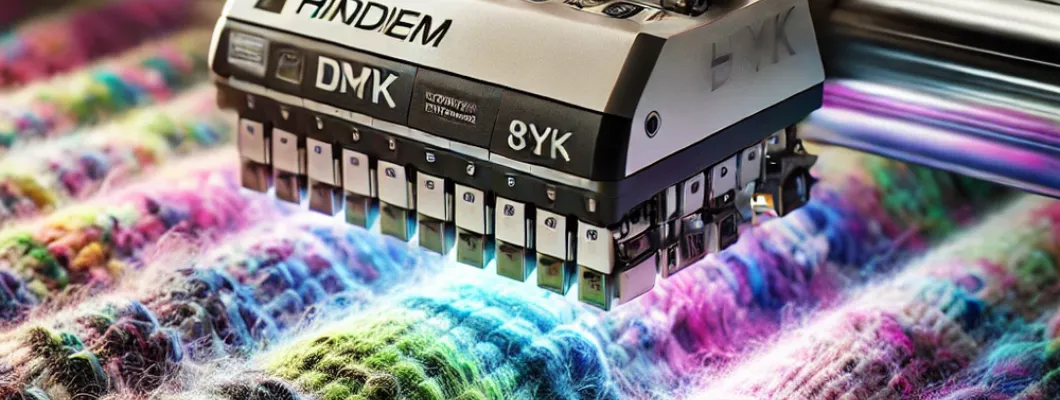
When it comes to entering the world of custom apparel, a direct-to-garment (dtg printer) is an essential tool that can transform your t-shirt printing business. But what many guides don’t tell you is that selecting the right DTG printer is far more nuanced than it appears. From hidden costs to production efficiency, there’s more to consider than flashy specs. Whether you’re a startup or expanding your operations, here’s a deep dive into what you need to know to make an informed decision.
1. Not All DTG Printers Are Built for Business Scale
It’s a common misconception that all DTG printers are suitable for both small-scale and industrial production. While entry-level DTG printers like the A3 DTG models are excellent for starting your business journey, they may struggle when scaling up due to limitations in print speed and duty cycle. For businesses targeting bulk orders or fast delivery, opting for an industrial-grade DTG printer with high hourly output can make a significant difference.
Look for key specifications such as:
- Print speed: How many garments per hour can the printer handle?
- Durability: Can the printer sustain 8+ hours of continuous production?
- Material compatibility: Does it support cotton blends, polyester, or specialty fabrics like denim?
2. Pretreatment Is Non-Negotiable
One of the lesser-discussed aspects of DTG printing is the importance of pretreatment. To achieve vibrant designs with impeccable accuracy, most DTG printers require garments to be pretreated with a specialized solution. This enhances ink absorption and ensures color brilliance. However, automated pretreatment machines can add an extra cost to your setup. While many DTG printers are compatible with manual and automatic pretreatment processes, factoring this into your investment is crucial.
Why automated pretreatment matters:
- Ensures consistent fabric preparation for every print.
- Reduces waste due to incomplete or uneven pretreatment.
- Improves speed and accuracy when handling bulk orders.
3. Ink Strategy: The Hidden Cost Factor
When evaluating a DTG printer, ink expenses often represent the highest operational cost besides maintenance. DTG printers use water-based inks that deliver soft-touch, vibrant finishes, but they come with nuanced pricing structures. OEM inks (manufacturer-approved) are generally higher-quality but costly, while third-party inks may offer affordability with potential performance trade-offs.
To achieve cost efficiency without compromising print quality:
- Compare the cost-per-print across different DTG printer models.
- Evaluate ink yield per cartridge or liter.
- Consider DTG printers featuring dual ink systems to expand substrate compatibility.
4. Maintenance: Don’t Overlook Printer Longevity
The lifespan and functionality of your DTG printer directly depend on how well it’s maintained. Modern DTG printers come with self-cleaning systems, but this doesn’t entirely eliminate the need for regular upkeep. Printer heads in particular can clog due to pigment sedimentation over time. Understanding maintenance requirements upfront can save you from costly, unexpected downtime.
Essential maintenance practices for DTG printers include:
- Periodic nozzle cleaning to prevent clogs.
- Regular calibration to ensure print uniformity.
- Scheduled servicing for moving parts like platens.
5. Software Integration Shapes Productivity
DTG printers don’t operate in isolation—they rely heavily on RIP (Raster Image Processor) software to translate your digital designs into printable outcomes. Effective software ensures sharp color accuracy, optimized ink usage, and maximized throughput. Some high-quality DTG printers come with proprietary software tailored to their models, enabling smoother integration with your workflow.
Features to look for in DTG software:
- Color management tools, including ICC profiles for RGB and CMYK formats.
- Support for batch printing and layout nesting to optimize material usage.
- Automated troubleshooting to minimize downtime.
6. ROI and Scalability: Think Beyond the Initial Cost
Though it’s tempting to focus on the upfront price, your real concern should be the total cost of ownership (TCO) and return on investment (ROI). Assess how quickly the DTG printer can generate profit based on factors like print capacity, labor costs, maintenance, and consumables. Ensuring long-term scalability is also paramount—choosing a printer optimized for upgrades can lead to exponential returns when you expand your offerings.
Calculate your ROI with these key metrics:
- Average cost-per-print: This includes ink, pretreatment solution, and labor.
- Breakeven point: How many garments do you need to sell to recoup your investment?
- Revenue potential: Evaluate pricing flexibility based on the quality and customization options you can offer.
7. Customization: Advanced Features for Niche Markets
The beauty of DTG printers lies in their ability to cater to niche markets demanding intricate designs, small orders, and fast turnarounds. Features like variable ink droplet sizes, hybrid printing (DTF integration), and white-ink optimization allow businesses to offer unique applications that other printing technologies can’t match.
Expand possibilities with advanced customization:
- Experiment with mixed-media designs by combining DTG with embroidery.
- Produce detailed photorealistic prints for high-margin merchandise.
- Leverage layerless printing to cater to luxury and fashion clients.
Expert Verdict on DTG Printer Investment
Choosing the right DTG printer goes beyond comparing specs—it requires a holistic understanding of your business goals, production demands, and budgetary constraints. From maintenance and pretreatment to advanced software and scalability, every factor plays a role in determining whether your investment will succeed. With the right DTG printer, you’ll unlock the potential to create high-quality, customizable apparel that stands out in today’s competitive market.