4 ways a DTG printer machine could be costing your business more than you think
4 ways a DTG printer machine could be costing your business more than you think
Investing in a dtg printer machine might seem like a straightforward decision for garment printing businesses. Its ability to print high-resolution designs directly onto fabrics makes it a popular choice for entrepreneurs seeking efficient production solutions. However, beneath its surface benefits lie hidden costs that could significantly impact your bottom line. Understanding these challenges is crucial for maximizing ROI while maintaining operational efficiency.
1. The upfront cost of a high-quality DTG printer machine
One of the most significant ways a dtg printer machine can burden your business is its initial investment. High-quality machines, such as industrial models built for sustained usage, often come with a hefty price tag. While entry-level units may start at a few thousand dollars, professional-grade printers specifically optimized for vivid colors and intricate designs can cost upwards of $20,000 to $30,000.
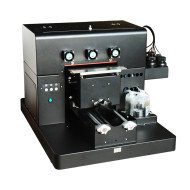
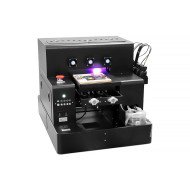
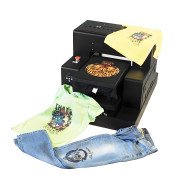
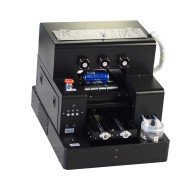
For smaller businesses, this upfront cost can create substantial cash flow challenges. Financing options may alleviate the immediate burden but also introduce interest rates that chip away at long-term profitability. For example, premium models like the GNFEI DTG printer feature advanced ink systems and automatic cleaning mechanisms but require careful budget planning to justify the expense.
Hidden operational costs tied to your DTG printer machine
Beyond purchasing the printer, operational costs such as ink, maintenance, and consumables can add up quickly. DTG printers use specialized inks—typically water-based textile inks with advanced pigmentation. These inks ensure vivid output but come at a higher price per liter compared to traditional screen-printing inks. Furthermore, clogged inkjet heads and routine cleaning often require spare parts, further increasing operational overhead.
2. Limited scalability with a DTG printer machine
While a dtg printer machine excels in printing one-off or custom jobs, scaling for large production runs can become a logistical nightmare. The technical process of direct-to-garment printing involves pre-treatment of fabric, placement accuracy, and slower print speeds compared to bulk-friendly methods like screen printing.
For businesses attempting to fulfill hundreds or thousands of units per order, the time investment required for each print significantly reduces throughput. A single machine optimized for direct application may struggle to meet tight deadlines on high-volume orders. This production bottleneck can lead to customer dissatisfaction and lost contracts, potentially damaging your reputation and revenue stream.
Strategies for overcoming scalability challenges
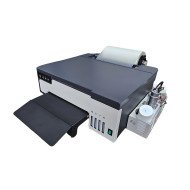
- Invest in multiple machines or hybrid systems: Hybrid DTG/DTFilm printers allow flexibility for both short-run and bulk printing.
- Upgrade packaging workflows: Efficient pretreatment and drying mechanisms can eliminate unnecessary delays.
- Consider operator training: Skilled staff members can maximize machine efficiency and reduce downtime.
3. Maintenance and technical downtime: The silent expense
Even the best dtg printer machines require regular upkeep. Maintenance routines range from basic daily cleaning of ink heads to advanced recalibration for precision printing on diverse textiles. These activities, while essential for avoiding premature hardware issues, create extended periods of downtime, impacting your ability to meet production targets.
Additionally, unexpected software glitches or mechanical failures pose another risk. For example, machines equipped with automatic garment loaders could malfunction, delaying operations for hours. High-performance models like the GNFEI printers feature integrated diagnostic tools to preemptively alert users of maintenance needs, but this still demands staff investment to address issues promptly.
Preventive vs reactive maintenance for cost optimization
Maintenance is unavoidable, but adopting a preventive approach can minimize expensive downtime:
- Routine inspections: Schedule daily and weekly checks of inkjet heads, fluid reservoirs, and pre-treatment devices.
- Factory-grade training: Equip your operators with technical skills for quicker problem resolution.
- Invest in warranty-backed machines: Guaranteed warranties from brands like GNFEI Technology offer robust protection against surprise failures.
4. Environmental sustainability expenses
Environmental sustainability is becoming a critical consideration for garment businesses. Water-based inks and pretreatment solutions used in dtg printer machines can generate chemical waste and emissions that require responsible disposal practices. Failing to meet compliance standards could expose businesses to fines or even lawsuits.
Similarly, energy consumption is another overlooked cost. High-performance DTG machines often operate continuously during busy seasons, increasing utility expenses. For example, an industrial-grade printer with an integrated drying system may consume significantly more electricity than compact alternatives.
How to reduce environmental and energy costs
- Switch to eco-friendly inks: Opt for biodegradable ink solutions that meet regulatory guidelines.
- Upgrade energy-efficient models: New-gen machines often include automated power-saving settings to lower electricity consumption.
- Recycle water used in pretreatment processes: Implement closed-loop systems to minimize waste.
Expert Verdict on dtg printer machine Investment
A dtg printer machine represents a powerful tool for businesses in the custom apparel industry, offering unparalleled print quality and customization capabilities. However, both upfront and hidden costs, scalability limitations, maintenance downtime, and environmental considerations can offset its benefits if not correctly managed.
To mitigate these challenges, focusing on high-performance models—like those offered by GNFEI Technology—can help streamline production. Leveraging robust warranties, hybrid systems, and operator training ensures stable performance while maximizing ROI. By optimizing your operations and being proactive about sustainability efforts, you'll be poised to tackle these obstacles effectively and profitably.