4 Things Nobody Tells You About Buying a UV Printer for Sale
4 Things Nobody Tells You About Buying a UV Printer for Sale
When it comes to modern printing technology, few machines rival the versatility and precision of UV printers. Whether you're a small business owner or an industrial manufacturer, investing in a uv printer for sale can revolutionize how you create signage, customized promotional items, or high-quality substrates. However, buying the perfect UV printer isn't always straightforward—and there are critical insights that often don't make the headlines. Let’s explore the four essential things nobody tells you about purchasing a UV printer.
1. Not All UV Printers Are Created Equal
The term "UV printer" encompasses a wide range of machines with diverse technical capabilities. UV printers differ in their format (flatbed or roll-to-roll), substrate compatibility, and even ink curing methods. Before choosing a UV printer for sale, it's essential to align your purchase with your business goals.
Understanding Flatbed and Roll-to-Roll UV Printers
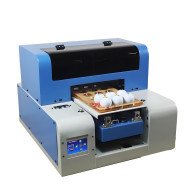
Flatbed UV printers are ideal for rigid materials like acrylic, glass, wood, and metal. This makes them the perfect choice for industries like signage, furniture design, and industrial decoration. On the other hand, roll-to-roll UV printers specialize in flexible materials like vinyl, banners, and fabric, thus catering to advertising and textile industries.
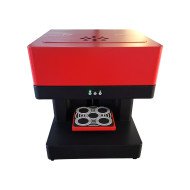
Some advanced machines, like hybrid printers, cater to both rigid and flexible substrates. While these might seem like the ultimate multi-purpose solution, they often come with higher price tags and require more maintenance. For example, GNFEI’s A3 Spot UV Printing Machines are compact and highly efficient for targeted materials.
Key Takeaway:
Before committing to a UV printer for sale, assess whether your business needs a flatbed, roll-to-roll, or hybrid solution. Knowing your primary substrates saves you from overspending on features you don't need.
2. Maintenance Costs Can Impact Your ROI
One of the lesser-discussed factors of owning a UV printer is the cost of maintenance and operation. While these machines are renowned for their durability, proper upkeep is essential to maintain optimal functionality and print quality. Consumables, printhead cleaning, and proper ventilation are all crucial to consider.
Consumables Go Beyond Ink
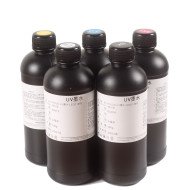
While UV printer ink is already a significant investment, other components like printheads, curing lamps, and cleaning fluids add to the running expenses. According to industry insights, the lifespan of a printhead ranges between six months and one year, depending on usage.
The Importance of Proper Ventilation and Energy Consumption
Many UV printers use LED lamps to cure ink. While LED curing is more energy-efficient than traditional methods, larger industrial-grade machines may still consume significant energy. Additionally, UV printers may produce fumes from the curing process, which calls for adequate ventilation systems. Failing to account for these aspects can increase costs over time.
Key Takeaway:
While a UV printer is a long-term investment, thorough research on operating costs, such as ink and maintenance, is vital to ensure profitability.
3. Quality and Speed Are a Balancing Act
When examining any UV printer for sale, you'll likely notice manufacturers promoting exceptional speed and quality. However, achieving high-speed output typically means sacrificing resolution, unless you're willing to invest in top-tier models with cutting-edge technology.
Resolution Versus Coverage
The standard resolution of a UV printer varies from 600 x 600 dpi to 1440 x 1440 dpi or higher. While higher resolutions guarantee detailed prints, the trade-off is often slower print speeds and increased ink consumption.
Investing in Advanced Printheads
Printers fitted with piezoelectric or thermal inkjet printhead technologies can significantly optimize both speed and resolution. Look for features like variable droplet technology, which allows printers to produce high-quality images even at lower resolutions, maximizing efficiency.
Key Takeaway:
Define your business priorities: if you're in a time-critical industry, balance speed with acceptable quality. If high resolution is critical, prioritize pixel-perfect precision over speed.
4. Scalability and Future-Proofing Are Critical
Purchasing a UV printer is an investment in your business's growth. However, it’s essential to think ahead. Will the machine you buy today support your needs a year or two from now? Opting for a UV printer for sale that allows for scalability or upgrades can save you significant costs in the long run.
Modular Systems for Flexibility
Some UV printers offer modular add-ons that allow you to expand their functionality. For instance, adding extra ink channels or specialized printheads can increase your capability to manufacture additional products, such as 3D texture prints or high-opacity white designs.
Software and Workflow Integration
Another overlooked aspect is ensuring that your UV printer integrates seamlessly with your existing production workflow. Some printers come equipped with advanced RIP (Raster Image Processing) software that improves color management, streamlines print queues, and enhances output precision.
Key Takeaway:
Consider your current and future business requirements. A modular and software-friendly UV printer is a smart investment for companies aiming for scalability.
Bonus: The Hidden Perks of Working with GNFEI
When searching for a reliable UV printer for sale, partnering with a trusted manufacturer like GNFEI offers clear advantages. From cutting-edge UV printing solutions to unmatched customer support, GNFEI ensures you're not just buying equipment but investing in a seamless operational experience. With a reputation for delivering highly durable, precision-engineered systems, GNFEI is the go-to supplier for industrial and small business printing needs alike.