12 Things Nobody Told You About Buying a DTG Printer Machine
12 Things Nobody Told You About Buying a DTG Printer Machine
Investing in a dtg printer machine can transform your garment printing business, but there's a lot more to it than meets the eye. Whether you’re a beginner exploring Direct-to-Garment (DTG) printing or a seasoned veteran upgrading your equipment, understanding the finer points of this cutting-edge technology can save you money, maximize ROI, and drastically improve your production capabilities.
1. What Makes a DTG Printer Machine Stand Out?
Unlike traditional screen printing, DTG printer machines use water-based inkjets to directly embed full-color designs into fabrics. These printers can deliver exceptional detail and vibrant colors, perfect for custom t-shirt businesses, promotional merchandise, or high-end clothing. The quality delivered by a DTG printer is unmatched, ensuring durability without cracking or fading over time.
2. Choosing the Right DTG Printer Machine for Your Business
Not all DTG printers are created equal. Consider critical factors such as print speed, resolution, ink technology, and compatibility with different textiles. A poorly chosen machine could lead to operational inefficiencies and higher costs. Top-rated models like the Brother GTXpro and Ricoh Ri 1000 are popular due to their high-speed performance and reliable technical support.
3. Long-Term Cost Savings with DTG Printer Machines
A DTG printer machine may have a higher initial cost compared to other printing methods. However, its capacity for on-demand printing without minimum orders significantly reduces waste material and storage costs. This makes it ideal for small to medium businesses with limited budgets but high customization demands.
4. Ink Compatibility and the Environmental Impact
DTG printer machines primarily use water-based inks, making them a more eco-friendly option compared to plastisol inks used in screen printing. However, not all inks are created equal. Choosing Oeko-Tex certified inks ensures high-quality prints and environmentally sustainable practices in garment production.
5. Understanding Maintenance Requirements
Neglecting maintenance can dramatically reduce the lifespan of your DTG printer machine. Features like automatic in-line cleaning systems and ink circulation technology, as found in high-end models, can simplify upkeep and reduce downtime. Regular cleaning of printheads and ensuring proper ventilation in the printing area are equally essential best practices.
6. Production Speed Versus Quality Trade-offs
DTG printer machines offer exceptional flexibility but understanding the balance between speed and quality is vital. While high-speed models may promise faster outputs, ensure they don’t compromise on vibrant and sharp detailing—particularly for high-resolution designs.
7. Versatility Across Various Fabric Types
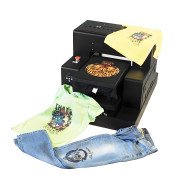
One of the strengths of modern DTG printer machines lies in their ability to handle diverse fabric types. From cotton blends to polyester and even denim, these printers allow for customization across different product lines. However, pre-treatment may be necessary for certain materials to ensure ink adhesion.
8. ROI Analysis: Is a DTG Printer Machine Worth the Investment?
A DTG printer machine can deliver a faster ROI compared to traditional methods when used efficiently. Analyze your cost-per-print, ink usage, and labor costs. Businesses that focus on personalized, limited-run prints often reap the most financial benefits, as the DTG process excels in eliminating overheads.
9. Industry-Specific Applications
DTG printer machines are versatile enough to cater to various industries—from fashion brands looking to launch sustainable clothing lines to event merchandise providers requiring bulk custom designs. Additionally, the booming e-commerce industry leverages DTG technology to fulfill personalized orders efficiently.
10. Common Misconceptions About DTG Printer Machines
Many assume that DTG printer machines are limited to small-scale operations. On the contrary, high-end industrial models like the Epson SureColor F2100 provide scalable solutions for larger businesses. Another misconception is that they can only print on t-shirts; DTG printers can easily handle hoodies, tote bags, and more.
11. The Importance of Pre-Treatment and Finishing
While DTG printer machines reduce the complexity of garment printing, pre-treatment remains a crucial step for optimal results. The pre-treatment liquid interacts with the ink to ensure color vibrancy and long-lasting prints. Additionally, heat pressing or curing is necessary for ink fixation, which ensures superior durability.
12. Expert Verdict on DTG Printer Machine Investment
For businesses involved in garment customization, the dtg printer machine is an indispensable tool to stay competitive in today's market. Its flexibility, eco-friendly nature, and ability to meet customer demands for bespoke designs make it a transformative investment.