12 Things Nobody Tells You About Buying a DTF Printer
12 Things Nobody Tells You About Buying a DTF Printer
If you're considering investing in a dtf printer, you're stepping into one of the fastest-growing sectors of the textile printing industry. Direct-to-Film (DTF) printers are transforming garment decoration by offering unparalleled versatility and cost-efficiency. However, while DTF technology is a game-changer for startups and established businesses alike, there are critical insights most buyers overlook. From technical specifications to long-term ROI, here’s everything you need to know to make an informed purchase.
1. Not All DTF Printers Are Created Equal
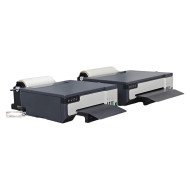
At first glance, all DTF printers may seem similar, but key differences can greatly affect your printing outcomes and workflow. For instance, while entry-level models like modified inkjet printers might look affordable, they often fall short on durability and speed for high-volume production. In contrast, dedicated industrial DTF printers like the GNFEI A3 Roll DTF Printer are designed for longevity, faster production speeds, and minimal maintenance downtime.
2. Ink Quality Is a Non-Negotiable Element
The ink used in your DTF printer matters as much as the machine itself. High-quality DTF inks ensure vibrant, long-lasting prints with exceptional color accuracy. Poor-quality inks can clog your print heads, increasing maintenance costs and wasting time. Always purchase inks recommended by your printer manufacturer to avoid compatibility issues.
3. White Ink Maintenance Is Key
Unlike traditional printers, DTF printers rely on white ink to create a printable base on dark fabrics. However, white ink tends to settle and coagulate, leading to clogs. Advanced features such as Auto White Ink Circulation, available in higher-end models, can prevent this issue and drastically reduce maintenance interruptions.
4. Compatibility with Existing Workflow
One of the smartest things you can do before buying a DTF printer is evaluating its compatibility with your existing equipment and software. Does the printer support the RIP software you’re used to? Can it integrate with your cutting and heat press systems? The dtf printer models offered by leading brands often come with dedicated software tools and versatile connectivity options to fit into varied workflows seamlessly.
5. The Total Cost of Ownership Goes Beyond Initial Investment
While some entry-level DTF printers are priced as low as $500 to $1,000, their longer-term costs can be higher. Frequent maintenance, lower production speeds, and inferior print quality can impact your business operations and customer satisfaction. Investing in a premium DTF solution may come with a higher upfront cost, but it ensures durability, less downtime, and better ROI.
6. Explore the Benefits of Roll-to-Roll DTF Printers
If your business focuses on high-volume production or wide-format prints, roll-to-roll DTF printers are a game-changer. These machines offer increased precision, faster outputs, and lower costs per unit through batch operations. GNFEI’s A3 Roll DTF Printer is a prime example of cutting-edge technology that allows you to create seamless, professional-grade designs at scale.
7. The Importance of Proper Heat Pressing
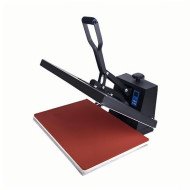
A DTF printer’s performance is only as good as its post-print process, which involves transferring the printed film onto fabric using a heat press. Uniform pressure, consistent heat, and the right transfer time are crucial for achieving high-quality, long-lasting print results. Ensure your heat press machine can handle the demands of your DTF prints.
8. DTF Printing vs. DTG Printing
While Direct-to-Garment (DTG) printers were once the go-to option for printing on textiles, DTF printers have gained traction for their ability to print on virtually any fabric type—polyester, cotton, synthetic blends, and even leather. Unlike DTG, DTF doesn’t require pre-treatment for dark fabrics, saving you time and resources. Furthermore, designs printed using DTF are more durable and resist cracking or fading over time.
9. Supply Chain Matters for Consumables
Maintenance and cost efficiency also come down to your consumable supply chain. DTF printers require a steady supply of film sheets, hot melt adhesive powder, and specialized inks. Opt for a brand like GNFEI, which provides high-quality consumables that are tailored specifically to their machines, ensuring performance consistency and reducing waste.
10. Layers of Technology in DTF Printers
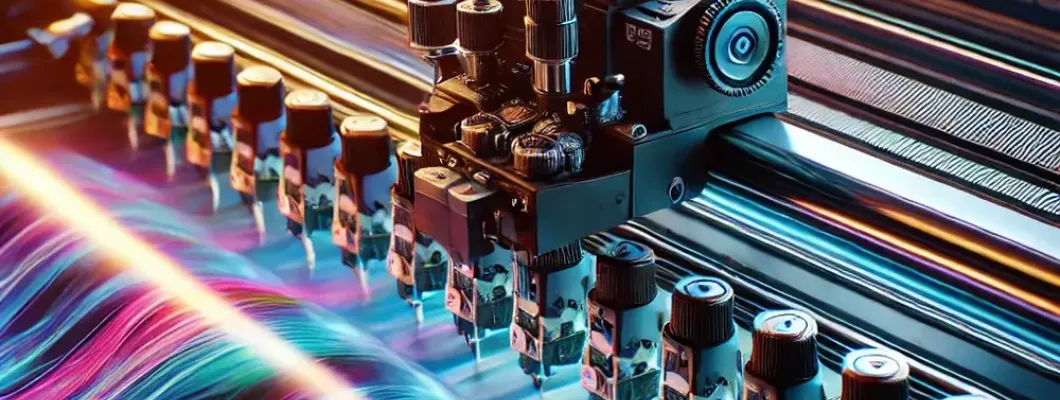
High-quality DTF printers use advanced printhead technology—such as Epson printheads—to achieve precision and accuracy in replicating designs. Look for features like multiple nozzles, anti-clogging mechanisms, and automated cleaning systems to minimize downtime and maximize production efficiency. These incremental improvements in technology can have a substantial impact on operational costs.
11. Environmental Considerations of DTF Printing
DTF printing is becoming a preferred method not just because of its versatility but also its eco-friendliness. Unlike traditional screen printing, which often results in significant water and chemical waste, DTF printing is a dry process. For businesses looking to adopt sustainable practices, DTF printers are a step in the right direction. Be sure to purchase heat-transfer film and hot melt adhesives that are non-toxic and environmentally friendly.
12. Training and Customer Support Are Crucial
No matter how advanced your DTF printer is, proper training and reliable customer support can make a world of difference. Many manufacturers provide detailed user manuals, tutorials, and even live virtual or on-site training to get you started. Companies like GNFEI also offer 24/6 customer support, ensuring that you’re never left to troubleshoot downtimes or technical issues on your own.
Expert Verdict on DTF Printer Investment
Investing in a high-quality dtf printer can revolutionize your business and open up new revenue streams in the personalized apparel and textile industry. However, not all DTF printers are created equal, and understanding the nuances of ink quality, maintenance, and compatibility will ensure a wise purchase. Opt for reputable manufacturers like GNFEI Technology to enjoy cutting-edge features, reliable support, and exceptional operational efficiency.