11 Things to Know Before Buying a UV Printer for Sale
11 Things to Know Before Buying a UV Printer for Sale
Investing in a UV printer can be a game-changing move for businesses across industries, ranging from signage production to custom promotional items. However, not all UV printers are created equal, and choosing the right device for your needs requires careful consideration. Whether you're a small business owner or a large-scale manufacturer, knowing what to look for in a uv printer for sale is crucial to maximize efficiency, durability, and ROI. In this comprehensive guide, we’ll break down everything you need to know before making your purchase.
1. Understand What a UV Printer Does
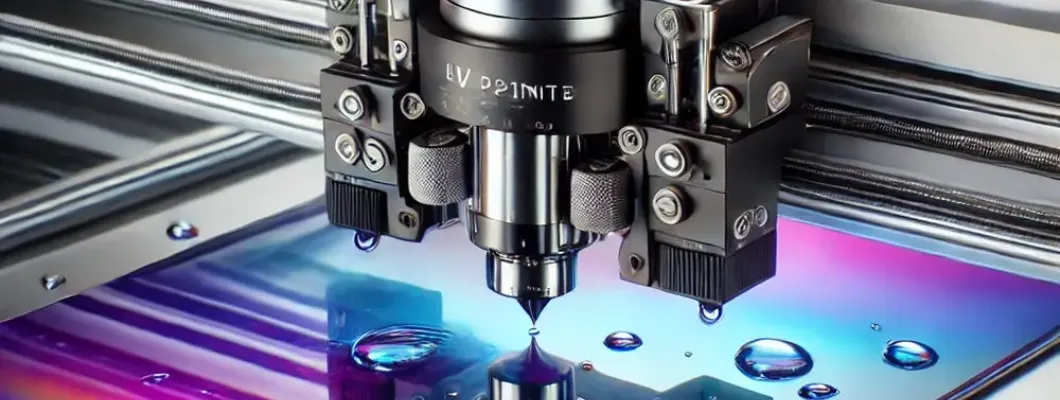
Before diving into specific features, it's important to understand what a UV printer is and its capabilities. UV printers utilize ultraviolet light to instantly cure and dry inks during the printing process. This technology allows direct printing onto a variety of substrates, including wood, glass, metal, acrylic, ceramics, and plastics. Unlike traditional printers, UV printers offer unparalleled precision and durability, making them a go-to solution for industrial and promotional use.
2. Different Types of UV Printers for Sale
The term "UV printer" encompasses multiple configurations. Choosing the right type is critical for your specific business needs:
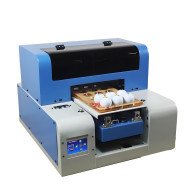
- Flatbed UV Printers: Ideal for printing on rigid materials like glass, wood, and metal. These printers offer a large printing area and high accuracy, making them a favorite for industrial applications.
- Roll-to-Roll UV Printers: Designed for flexible materials like banners, vinyl, and fabrics. These printers are perfect for businesses in the sign-making and marketing industries.
- Hybrid UV Printers: A versatile option that supports both rigid and flexible materials, offering maximum adaptability for businesses handling diverse printing projects.
3. Key Features to Evaluate When Shopping for a UV Printer for Sale
When narrowing down your options, focus on the following critical factors to ensure optimal performance and longevity:
Print Quality and Resolution
A high-quality UV printer delivers sharp, vibrant, and detailed prints. Look for a device with resolutions of at least 1440 DPI to meet professional-grade output standards.
Speed and Volume Capacity
For large-scale operations, print speed and volume capacity are vital. Compare specifications like "prints per hour" and bed size to ensure the printer can meet your production demands without bottlenecks.
Durability and Maintenance
Industrial-grade UV printers are built for long-term use. Evaluate the printer's build quality and maintenance requirements to avoid downtime and maximize ROI.
Maximum Print Size
Whether you’re printing promotional mugs or billboard signage, the printer’s maximum bed size directly impacts your project capabilities. Assess your most common jobs and choose accordingly.
4. ROI Considerations for a UV Printer Purchase
Investing in a UV printer is a significant financial decision, but the benefits can quickly outweigh the costs. Calculate the potential ROI by factoring in production speed, reduced outsourcing, and expanded service offerings. Additionally, advanced models with low ink consumption and energy-efficient LED curing systems can minimize operational expenses over time.
5. Industries Benefiting Most from UV Printers
UV printers have transformed numerous industries with their versatility and precision. Key sectors using UV printers include:
- Signage Production: From storefront signs to vehicle wraps, UV printers can handle various outdoor and indoor signage applications.
- Personalized Products: Ideal for creating custom promotional items like mugs, phone cases, and pens.
- Architectural and Interior Design: UV printers bring intricate patterns and textures to tiles, glass, and decorative panels.
- Packaging: Add branding directly onto boxes, tubes, and other packaging materials.
6. Ink Considerations for Your UV Printer
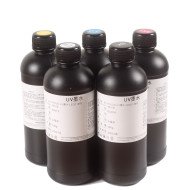
When evaluating a UV printer for sale, don’t overlook ink technology. Always choose printers compatible with eco-friendly, durable UV inks to ensure longevity and safety. Some printers even support white and varnish ink options for specialized textures and effects.
7. Software Integration and Ease of Use
A modern UV printer comes equipped with user-friendly software for design, color management, and print control. Confirm the printer's compatibility with your existing tools (e.g., Adobe Photoshop, CorelDRAW) and look for features like automated task setup and integration with IoT devices for streamlined production.
8. Cost of Ownership Beyond Initial Purchase
The true cost of owning a UV printer extends beyond its sticker price. Evaluate hidden costs such as ink, spare parts, energy consumption, and routine maintenance. Compare warranties and after-sales support to make a financially sound decision.
9. Environmental and Safety Features
As sustainability becomes a key consideration, many UV printers now include eco-friendly components such as recyclable inks and energy-saving LED lamps. Ensure the printer adheres to safety regulations and emits minimal VOCs to prioritize environmental responsibility.
10. Where to Find the Best UV Printer for Sale
Reliable sellers are key to ensuring you get the best value and quality. Trusted distributors often provide warranties, consistent support, and repair services. When searching for a uv printer for sale, focus on vendors like GNFEI TECHNOLOGY, a globally recognized leader in industrial printing solutions.
11. Future-Proofing Your UV Printer Purchase
With technology continuously evolving, invest in a model that supports future upgrades and advanced software. A forward-thinking approach ensures that your UV printer remains competitive and operational for years to come.