
Creator-led clothing businesses gaining momentum through flexible T-SHIRT PRINTER printing workflows
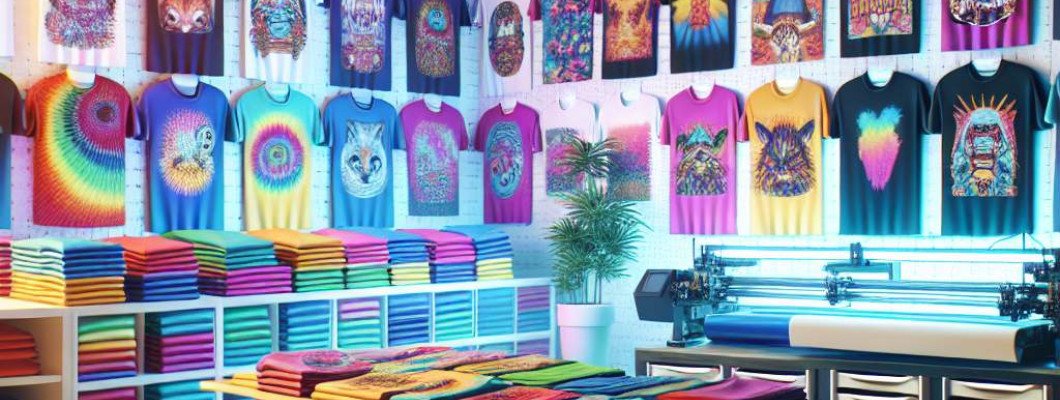
Struggling to stand out with your clothing line? Wondering how creator-led brands are making waves?
You're not alone. Many small or independent apparel brands face fierce competition in today's market. But what if I told you that the secret isn't just about design or marketing? It's about how efficiently and flexibly you can turn your ideas into real products. That"s where **flexible T-shirt printing workflows** come into play.
Why are creator-led clothing businesses booming?
The Power of Customization and Speed
Creator-led brands are all about uniqueness. They thrive on customized, limited edition, or on-demand products. But traditional printing methods often slow things down and add costs. With flexible workflows, entrepreneurs can get products to market faster, test new designs quickly, and keep their inventory lean.
How flexible T-shirt printers revolutionize small brands
Imagine chatting with a friend who runs a small clothing business. She switched to a flexible T-shirt printer recently and noticed immediate benefits:
- Fast turnaround times
- Lower upfront investments
- Ability to do small batch runs or single-piece orders
- Easy to adapt designs on the fly
All that translates into **more agility and less risk**. You don"t need huge warehouses or massive inventories — just a reliable printer that can handle various workflows. For example, the A3 DTG Printer is a popular choice for many creator brands because of its versatility and efficiency.
Understanding flexible T-shirt printing workflows
What exactly are these workflows?
They"re simply the ways you use your printer to produce your garments. Openness to different workflows means you can switch seamlessly between:
- Small batch printing for limited editions
- On-demand printing for single orders
- Batch production for larger runs when needed
This flexibility allows you to optimize costs, reduce waste, and offer a wider range of products without being tied to one printing method. The main options include Direct-to-Garment (DTG), heat transfer, and screen printing, but DTG (like the aforementioned A3 DTG Printer) has become the favorite for its speed and quality.
Why DTG is a game-changer for creators
Many small brands choose DTG because it works well with complex designs, allows for quick changes, and doesn"t require specialized knowledge. Plus, it handles full-color images easily, giving your clothes a professional edge. The key benefits are:
- High-resolution prints with vibrant colors
- Fast setup and cleanup
- Low initial costs
- Ability to print on demand
This means you can test new ideas and variations without wasting lots of money or inventory space. Starting with a flexible DTG setup allows your creative process to be more agile.
How to implement flexible workflows in your clothing business
Step-by-step approach
- Assess your current setup — Identify bottlenecks and what printing methods suit your needs.
- Choose the right printer — For most creator brands, a versatile DTG printer like the A3 DTG Printer fits perfectly.
- Test different workflows — Start with small batches, then expand as you see what works best.
- Optimize your process — Streamline your design-to-production pipeline for maximum efficiency.
- Offer on-demand printing — Market your ability to create custom, one-off pieces to attract niche customers and limited collections.
Implementing flexible workflows allows you to adapt quickly, react to trends, and keep your customers happy with fresh, unique products.
Real-world success stories of creator-led brands
Take Sarah, a small designer from Portland. She started with traditional screen printing but quickly hit the limits on speed and flexibility. After switching to a DTG system, her shop could produce ultra-detailed designs on demand, reducing waste and increasing her profit margins. Now, she launches new collections every month, all made-to-order. Her secret? A flexible printing workflow that keeps her lean and creative.
Key tips to get started with flexible T-shirt printing workflows
- Invest in quality equipment. Don"t cut corners. The right printer makes all the difference.
- Plan your product releases. Use small batches for testing and scale up when needed.
- Stay eco-friendly. Smaller runs and on-demand production reduce waste and appeal to conscious consumers.
- Keep learning. Trends and technology evolve fast; stay updated to stay competitive.
Remember, the goal is to keep your operations as flexible and responsive as possible. That"s how creator-led brands stay ahead.
FAQs about flexible T-shirt printing workflows
1. What is the best printer for small clothing brands?
A versatile DTG printer like the A3 DTG Printer offers excellent quality and flexibility for small batches and custom orders.
2. How can I reduce waste using flexible workflows?
By printing on demand and doing small batch runs, you only produce what you sell, minimizing leftover inventory.
3. Is DTG printing suitable for all fabric types?
DTG works best on 100% cotton and some blends. Check your printer specs for compatible materials.
4. How do I start transitioning to flexible printing?
Begin with small investments, test different workflows, and gradually scale as you learn what works for your brand.
5. Can I do both batch and on-demand printing?
Yes, a flexible printer allows you to switch between modes easily, giving you the best of both worlds.











Leave a Comment