
Local print shops revamping services with t-shirt printer offerings to capture on-demand apparel market growth
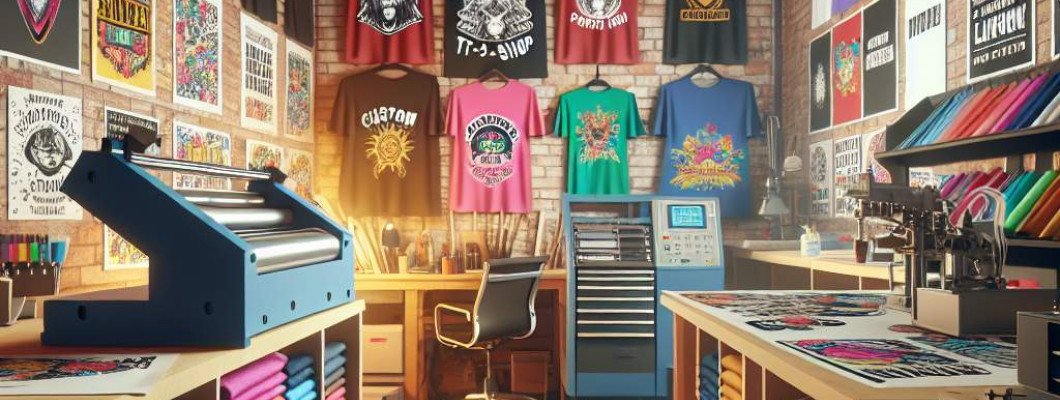
Struggling to keep up with the demand for custom apparel? You"re not alone.
Many local print shops are seeing a shift in how customers want their clothes. The on-demand apparel market is booming, and if you"re still relying solely on traditional printing services, you might be missing out. Recently, I talked to a friend who owns a small shop. She shared how investing in a T-shirt printer transformed her business. It"s a game-changer. If you"re considering revamping your services, adding T-shirt printing might be just what you need to stay competitive. Let"s explore why these shifts are happening and how you can adapt.
The Rise of On-Demand Apparel: Why Now?
Growing Consumer Demand for Custom Clothing
Today"s customers want more personalized items. Whether it's a unique design for a special event or a hoodie with a funny quote, everyone seeks to stand out. The rise of e-commerce platforms like Etsy and Shopify has amplified this demand. People want quick, affordable, and customized apparel, and local shops can"t afford to miss this trend.
The Advantages of T-shirt Printing Technology
Modern T-shirt printers, especially direct-to-garment (DTG) machines, allow you to produce detailed, vibrant designs right on the fabric. The setup time is minimal, enabling on-demand production that reduces inventory costs. Plus, these machines handle small quantities efficiently—perfect for boutique clients or one-off orders.
Market Opportunities for Local Businesses
- Partnering with local sports teams, schools, or clubs for uniforms and event shirts.
- Serving online customers with personalized designs.
- Offering custom corporate merchandise.
Adding T-shirt printing can unlock a new revenue stream and attract a broader customer base.
How to Start Revamping Your Print Shop with T-shirt Printing
Assess Your Current Capabilities
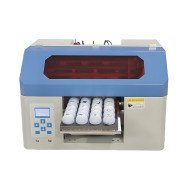
First, take a look at what you already have. Do you have space for a new machine? What types of designs are your clients requesting? Knowing your starting point helps you plan smarter. If you"re unsure, check out the A3 DTG Printer—a reliable entry-level option for many small shops.
Invest in the Right Equipment
Choosing the right T-shirt printer is critical. For high-quality, detailed prints, a direct-to-garment printer is ideal. It's an investment, but the return can be quick if you tap into local markets. When comparing options, consider factors like ink compatibility, ease of use, and after-sales support. Remember, quality equipment produces better results and happier customers.
Learn the Techniques and Offer Variations
Mastering T-shirt printing takes a bit of practice. Start with simple designs, then experiment with multi-color prints and special effects. Offering a variety of apparel options—like hoodies, tote bags, or caps—can also attract more clients. The more versatile you are, the better you can serve niche markets.
Marketing Your New Services
Once your shop can produce high-quality custom apparel, step up your marketing game. Use social media to showcase recent projects, offer promotions for first-time customers, and partner with local events. An updated website with a dedicated section for custom apparel can boost visibility. Don"t forget, your existing customer base can be a great starting point for orders.
Explore examples at this link — it shows how a small investment can revolutionize your offerings.
Overcoming Common Challenges
Cost and Space Constraints
Worried about the upfront costs? Look for entry-level or compact models that fit your budget and space. Also, consider leasing options or financing plans. Many startups begin small and scale as orders increase.
Learning Curve and Skill Development
Don"t be discouraged if you"re new to T-shirt printing. Plenty of online tutorials and community groups can help. Practice makes perfect, and with time, you'll produce professional-looking custom apparel.
Quality Control
Consistent quality keeps customers coming back. Regularly calibrate your printer, use high-quality inks and apparel, and get feedback from clients. Cultivating attention to detail is key in the competitive custom printing space.
Real-World Success Stories and Best Practices
One local shop owner told me they added T-shirt printing last year and doubled their revenue in six months. They focused on niche markets—like pet-themed shirts and local event merchandise—and marketed heavily on social media. Their secret? They prioritized quality and quick turnaround times. This approach helped them develop a loyal customer base and attract new clients organically.
FAQs to Help You Decide
1. How much does a good DTG printer typically cost for a small shop?
Entry-level machines, like the A3 DTG Printer, can start around $10,000 to $15,000. However, prices vary based on features, size, and brand. Think of it as an investment in your growth.
2. How difficult is it to learn T-shirt printing?
It"s straightforward but requires practice. Many vendors offer tutorials and support. With patience and some trial runs, you can produce professional results in a few weeks.
3. Can I print on different fabric types?
Most DTG printers work well on 100% cotton fabrics. Some models can handle blends or polyester, but it"s important to check compatibility before buying.
4. What design software is best for custom prints?
Popular options include Adobe Photoshop, CorelDRAW, and free tools like GIMP or Canva. Your choice depends on comfort and the complexity of your designs.
5. How do I price my custom T-shirts?
Consider the cost of materials, your time, and market rates. A typical retail price covers these plus a profit margin. Research local competitors and adjust your pricing accordingly.















Leave a Comment