
Substrates beyond cotton, like polyester blends, gaining DTG compatibility via ink innovation

Traditional direct-to-garment (DTG) printing has long been associated primarily with cotton fabrics. Cotton's natural fibers easily accept water-based inks, resulting in vibrant, durable prints that meet the high standards of apparel customization. However, as consumer demand for diverse fabrics like polyester blends continues to grow, the industry faces new challenges. Polyester and blended textiles offer advantages such as durability, moisture-wicking, and cost-effectiveness, making them highly attractive for sportswear, promotional items, and fashion collections. Yet, these materials have historically been difficult to print on directly using conventional DTG inks due to their non-absorbent, plastic-like surfaces. But recent innovations in ink technology are redefining the possibilities, enabling high-quality DTG printing on substrates beyond traditional cotton fabrics.
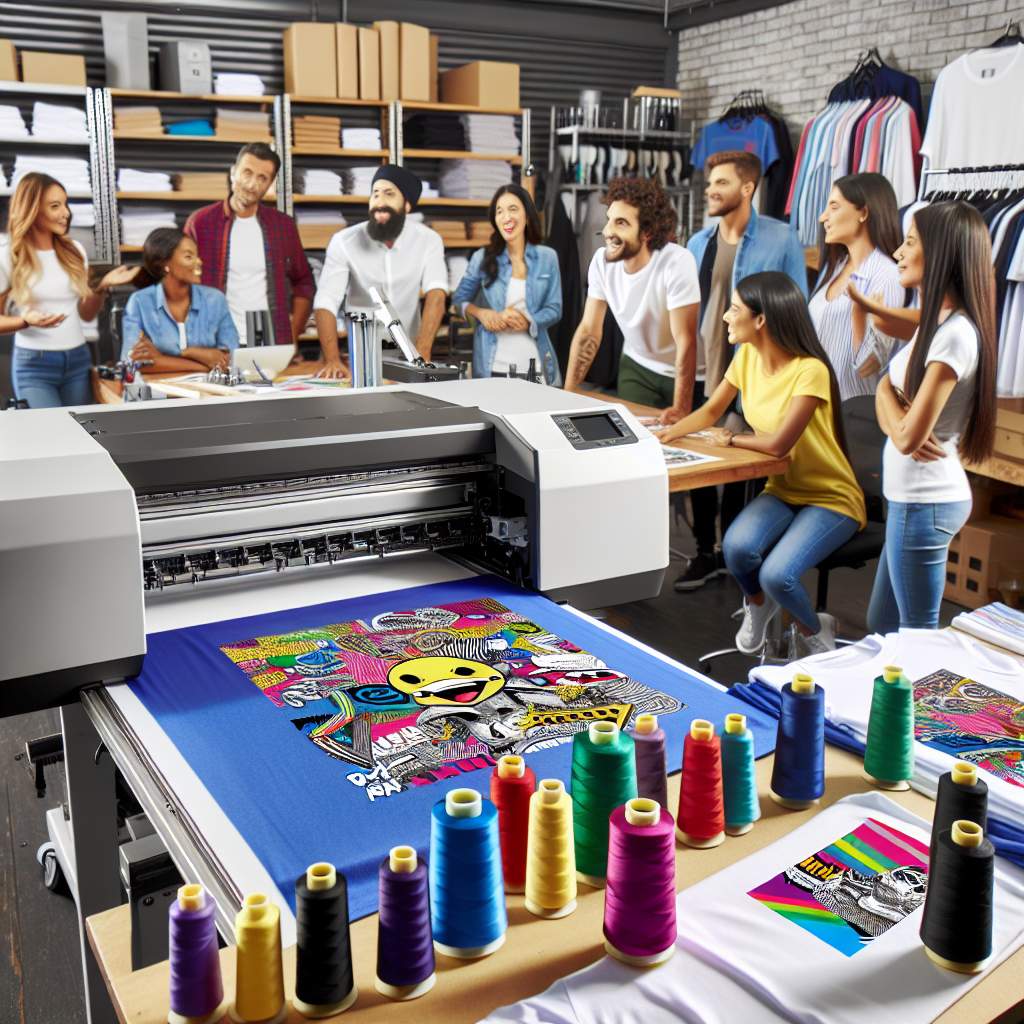
Understanding the Challenges of Printing on Polyester Blends
Polyester and its blends present a unique set of challenges for direct printing. Unlike cotton, polyester fibers are synthetic and hydrophobic, meaning they repel water-based inks. This results in poor ink adhesion, potential color fading over time, and secondary issues such as bleeding or cracking of the print. Furthermore, the glossy surface of polyester reflects light, which can compromise color vibrancy and detail. These characteristics have historically limited DTG printing to mainly 100% cotton fabrics, where water-based inks can penetrate and bond effectively. To overcome these hurdles, manufacturers and printers have sought innovative ink formulations and pre-treatment processes that can enable the ink to adhere properly and produce durable, high-quality images on polyester-blended materials.
Ink Innovation: The Key to Expanding DTG Compatibility
Advances in ink technology are at the forefront of transforming DTG printing capabilities. New formulations such as pigmented inks with polymer binders, dye sub-compatible inks, and hybrid water-soluble solutions are engineered specifically to adhere to synthetic fibers. These inks often incorporate specialty additives and surface modifiers designed to improve wettability and print durability on polyester surfaces. For instance, some of the latest DTG inks feature higher pigment loads, improving color saturation and vibrancy, while also maintaining flexibility and washfastness. Additionally, reactive and disperse dyes, traditionally used in sublimation, are being adapted for direct application on polyester with modified formulations. These innovations allow print providers to expand their product offerings while maintaining the high quality and detail that DTG is known for.
Pre-treatment and Surface Preparation Techniques
Another critical factor in printing on polyester blends is surface pre-treatment. Unlike cotton, polyester fabrics often require a specialized coating or pre-treatment solution that facilitates better ink adherence. These treatments typically include primers or adhesion promoters that modify the fabric surface, creating a compatible interface for the ink. For a seamless printing process, some printers utilize spray or roller application methods to ensure uniform coverage. The correct pre-treatment protocol can vastly improve print quality, color vibrancy, and durability, reducing issues like cracking or fading over time. It"s also essential to select the right curing process, often involving heat presses or infrared curing systems, to set the ink effectively onto the synthetic fibers. Proper preparation is key to achieving professional results when printing on these challenging substrates.
Benefits of Printing on Polyester Blends with Ink Innovation
The evolution of ink technology and printing techniques opens up numerous opportunities for brands and printers. Printing on polyester blends allows for a broader variety of fabric choices, catering to different market segments such as athletic apparel, fashion, and promotional textiles. Polyester and blends are more resistant to wrinkles, shrinkage, and fading, which means the printed garments can have longer shelf lives and maintain their look after multiple washes. Furthermore, the ability to print directly on these fabrics reduces the need for transfer paper or other intermediate steps, streamlining the production process and reducing costs. High-quality inks also ensure vibrant, detailed images that meet or exceed customer expectations. Overall, this technological breakthrough elevates the versatility of DTG printing, enabling it to serve a wider range of applications and expanding profit potential for print providers.
Integrating New DTG Inks into Your Workflow
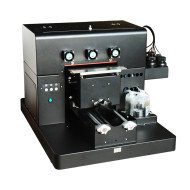
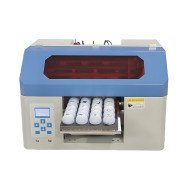
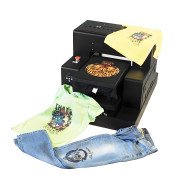
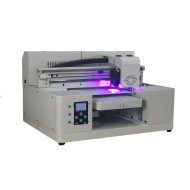
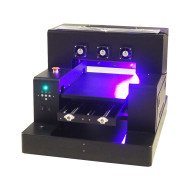
If you"re considering expanding your printing capabilities to include polyester and blends, integrating the latest ink formulations requires some adjustments. It's advisable to work closely with ink suppliers or technical service providers to select the right products tailored for your specific fabrics and printers. Conducting test prints and evaluating color vibrancy, washfastness, and adhesion will help optimize your process. Additionally, modifying your pre-treatment protocols and curing parameters may be necessary to maximize print quality. Training staff on handling unfamiliar materials and understanding the nuances of new inks will ensure smooth implementation. As the industry continues to innovate, investments in adaptable equipment and quality consumables will position your business at the forefront of textile printing. For instance, exploring advanced printers like the A3 DTG Printer can provide the flexibility needed to handle a variety of substrates efficiently.
The Future of DTG Printing on Synthetic Fabrics
The ongoing development of ink chemistry and printing technology suggests that the limitations of DTG printing on polyester and blends are rapidly diminishing. Researchers are continuously exploring bio-based and environmentally friendly inks that can offer superior adhesion, washability, and eco-friendliness. Innovations such as nano-technology-infused inks and enhanced surface treatments promise even greater capabilities, including printing on darker and more complex fabrics without the need for white underbase layers. These advancements will not only expand creative possibilities but will also enable sustainable practices by reducing waste and energy consumption. As brands demand more diverse and durable fabric options for their products, DTG printing will evolve to accommodate these needs, offering customizable solutions that are quick, cost-effective, and high-quality.
In conclusion, the landscape of textile printing is transforming as ink innovations and surface treatments unlock new substrates beyond traditional cotton. Polyester blends and synthetic fabrics are becoming viable options for DTG printing, opening up new markets and creative avenues. To stay competitive, print providers should embrace these advances, invest in the right equipment, and stay informed about emerging technologies. Whether for athletic wear, fashion, or promotional products, modern ink solutions are bridging the gap, delivering vibrant, durable prints on a broader range of fabrics than ever before. The future of textile printing is bright, versatile, and more accessible than ever, thanks to these technological strides.










Leave a Comment