
Food safety regulations and innovation meeting as edible food printer gains attention in commercial kitchens
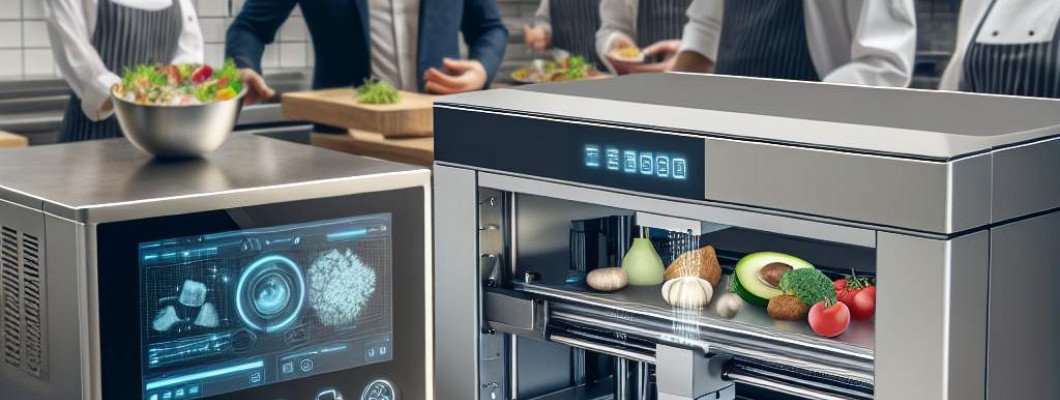
Is your restaurant prepared for the future of food technology and safety regulations? Are edible food printers changing the way commercial kitchens operate, and what does it mean for food safety standards?
Managing a busy restaurant or commercial kitchen involves juggling many priorities—quality, efficiency, customer satisfaction, and complying with strict food safety regulations. Recently, a disruptive innovation has caught the industry's attention: edible food printers. These machines can print intricate, custom-designed foods, opening new creative and functional possibilities. But with this innovation come questions about maintaining strict food safety standards and navigating regulatory landscapes.
Understanding edible food printers and their potential
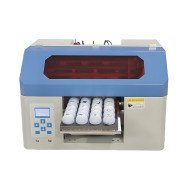
Picture a chef chatting with a supplier about new ways to delight diners. Suddenly, they discover edible food printers—machines capable of printing detailed images, logos, or even personalized messages directly onto food items like cookies or chocolates. These systems use cartridges filled with edible inks or ingredients, creating visually stunning dishes that can elevate branding or customer experience.
While it may sound like science fiction, edible food printers are becoming more accessible and versatile. Restaurants, cafes, and catering services are experimenting with this technology to differentiate themselves in a competitive market. The demand is rising, especially for custom desserts, promotional giveaways, or even intricate garnishes that would be difficult or time-consuming to produce manually.
Food safety concerns in an era of culinary innovation
However, integrating new technology into food preparation entails strict adherence to food safety regulations. Contamination, improper handling, or ingredient cross-contact are persistent risks. As edible food printers become more common, regulators worldwide are scrutinising their safety standards. Ensuring the printers' cartridges, inks, and materials meet hygiene requirements is essential to avoid health hazards.
One example: a major fast-food chain wanted to introduce printed images onto burgers. During testing, they discovered that contamination from improperly sterilized printer nozzles could introduce pathogens. It became clear that strict procedures, maintenance protocols, and quality checks must accompany these innovations to ensure compliance with food safety laws.
Adapting regulations to emerging food technologies
Regulatory agencies around the globe are working to develop frameworks that accommodate innovative food processing methods, including edible printers. These adjustments aim to strike a balance—encouraging innovation while safeguarding public health. For instance, the European Food Safety Authority (EFSA) and the US Food and Drug Administration (FDA) are assessing how to evaluate new ingredients and machinery like edible printers.
Many of these laws focus on key aspects:
- Material Safety: Ensuring all inks and printing materials are food-grade and free from harmful substances.
- Operational Hygiene: Mandating sterilisation and maintenance routines for printing equipment.
- Traceability: Providing documentation to track ingredients and process steps for accountability.
- Worker Training: Educating staff on safe operation and hygiene procedures.
These regulations are dynamic. As technology advances, regulatory bodies are updating guidelines to ensure safety keeps pace with innovation.
Best practices for integrating edible food printers into your kitchen
For commercial kitchens considering adopting this disruptive technology, understanding practical safety measures is crucial. Here are some key tips:
- Choose certified, food-safe equipment: Verify that printers and inks meet all relevant safety standards.
- Implement rigorous cleaning protocols: Regularly sterilise printing nozzles and cartridges to prevent contamination.
- Train staff thoroughly: Ensure everyone understands safe handling, operation procedures, and emergency protocols.
- Maintain detailed records: Log maintenance, ingredient sources, and safety checks for compliance and quality assurance.
- Test extensively before launch: Conduct quality and safety testing to ensure consistent, safe output.
Adopting these steps not only helps in complying with food safety regulations but also enhances customer trust and product quality. For equipment recommendations or to explore latest models, visit GNFEI's coffee and food printer solutions.
The industry outlook: How food innovation shapes future regulations
As edible food printers become mainstream, regulators anticipate increased scrutiny and evolving standards. Industry experts predict that future regulations will focus heavily on:
- Mandatory certification for edible inks and cartridges
- Automated safety checks integrated into the printing process
- Standardised training modules for kitchen staff handling such technology
- Enhanced traceability systems for ingredient and process tracking
Open dialogue between industry players and regulators will accelerate the safe adoption of such innovations. If your business wants to stay ahead, understanding these regulatory trends and implementing best practices now can give you a competitive edge.
Real user FAQs about edible food printers and food safety
1. Are edible food printers safe for commercial use?
Yes, when they comply with food safety standards—using food-grade inks, proper sterilisation, and staff training. Proper maintenance is key to preventing contamination.
2. What regulations apply to edible food printing?
Regulations vary by country but generally cover material safety, hygiene procedures, traceability, and staff training. Always consult local authorities for specific guidance.
3. How can I ensure my kitchen complies with safety standards when using these printers?
Implement strict hygiene routines, source certified materials, train staff thoroughly, and keep detailed logs. Consider seeking certification from relevant food safety authorities.
4. Can edible food printers print allergen information or dietary labels?
Yes, many systems can incorporate such information into the printed design. Ensure allergens are handled safely during the printing process to avoid cross-contact issues.
5. What are the most common mistakes to avoid with edible food printing?
Neglecting sterilisation, using unapproved inks, rushing maintenance, and insufficient staff training can lead to safety risks. Regular checks and adherence to protocols prevent these pitfalls.
Food safety regulations and innovation meeting as edible food printer gains attention in commercial kitchens are redefining how culinary professionals serve up creativity and safety. By understanding regulatory frameworks and adopting best practices, your business can harness the power of this exciting technology while safeguarding customer health and brand integrity.















Leave a Comment