
AI-powered workflow and dtg printer innovations enabling faster high-quality printing for indie apparel startups
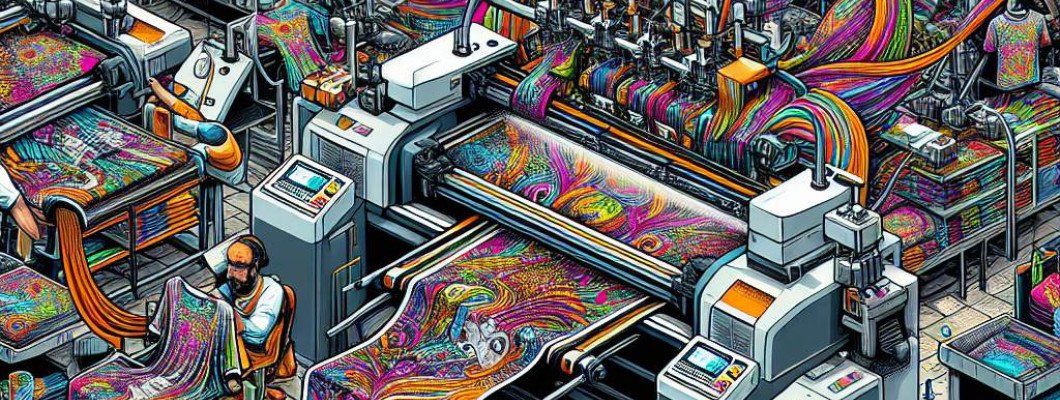
Struggling to keep up with demand in your indie apparel startup?
You're not alone. Many small brands face the challenge of balancing quality with fast production. The good news? Innovations like AI-powered workflows and new DTG (Direct-to-Garment) printers are making it easier to stay competitive. They help you print high-quality designs faster, so you can keep your customers happy and scale efficiently. If you're ready to take your apparel printing to the next level, let's explore how these technologies are transforming indie startups today.
Understanding AI-powered workflows in apparel printing
What exactly is AI in the printing industry?
AI, or artificial intelligence, is computer software designed to mimic human decision-making. In apparel printing, AI helps automate repetitive tasks, optimize printing processes, and enhance design accuracy. It"s like having a smart assistant that learns how you work and makes your production smoother and faster. For example, AI can analyze your designs and suggest optimal color schemes or predict the best printing settings based on fabric type.
How AI accelerates your production process
- Design Optimization: AI tools can auto-correct or suggest improvements, removing manual editing time.
- Workflow Automation: Automating file prep, color management, and print queue management reduces setup time.
- Quality Control: AI-powered inspections can detect flaws instantly, reducing waste and reprints.
- Data-driven decisions: Analyzing past orders and print runs helps forecast demand and optimize inventory.
Imagine chatting with a friend who runs a small t-shirt brand. She told me that since she adopted AI workflow tools, her orders go from design to print in half the usual time. That means she gets products to customers faster, boosting her sales and reputation. Pretty neat, right?
Innovations in DTG printers for high-quality, rapid printing
What"s new with DTG printers?
Traditional DTG printers are known for quality but often slow. Today, manufacturers are integrating new tech that makes these printers much faster without sacrificing print detail or durability. These innovations include advanced printheads, improved ink delivery systems, and smarter sensors, allowing for quicker color changes and higher throughput.
Why faster DTG printers matter for indie brands
- Increased Production Speed: Handle larger orders in less time, ideal for seasonal spikes or promotions.
- Reduced Cost per Print: More prints in less time lower your unit costs, improving profit margins.
- Enhanced Quality Control: Newer printers minimize errors and produce vibrant, consistent prints every time.
- Sustainability: Faster workflows mean less energy waste and better resource management.
My friend"s startup recently upgraded to a new DTG printer model. She was amazed how she could complete multiple runs in a single day, something that used to take her several days. Her team can now meet rising customer demand without rushing or compromising the look of her designs.
Combining AI and DTG for ultimate efficiency
The perfect match for indie startups
Integrating AI-powered workflows with the latest DTG technology creates a seamless printing experience. You get the speed of advanced hardware combined with smart software that directs and fine-tunes every step. This synergy results in:
- Faster turnaround times for orders and custom jobs
- Higher quality prints that genuinely impress customers
- Less waste due to precise color matching and error detection
- Streamlined operations that free you to focus on design and marketing
Think of it as having a high-performance team with brains and brawn working together. Your startup no longer needs to juggle multiple tools and processes. Instead, everything functions like a well-oiled machine, pushing your growth forward.
Tips to implement these innovations in your startup
Getting started with AI and new DTG tech
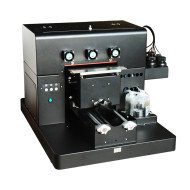
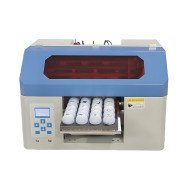
- Research your options: Look for printers with the latest features. Check out models like the A3 DTG Printer which integrates advanced tech for speed and quality.
- Clean and optimize your design files: Use AI tools to prepare your designs for printing efficiently.
- Train your staff: Make sure they understand how to leverage new workflows and hardware to maximize output.
- Start small, scale gradually: Pilot new tech with a few orders before fully committing to avoid mishaps.
When I talked to a startup owner who recently upgraded, she said the initial investment felt steep, but the ROI came within weeks, thanks to faster deliveries and happier customers.
FAQs about AI-powered workflows and DTG printer innovations
How much does upgrading to AI and faster DTG printers cost?
Prices vary widely based on features. Entry-level models can start around a few thousand dollars, but the investment pays off through increased efficiency and reduced waste.
Can I use AI tools without replacing my existing equipment?
Absolutely. Many AI-driven software solutions integrate with current printers and design tools, making improvement accessible regardless of your setup.
Will upgrading affect my current product quality?
Most modern DTG printers and AI systems are designed to enhance, not compromise, quality. They help maintain consistency and vibrancy, especially in high-volume runs.
Is AI difficult to learn and operate?
Not at all. User-friendly interfaces and training resources mean you can get up to speed quickly. Plus, the automation reduces the learning curve for complex tasks.
What are some examples of brands leading in these innovations?
Brands like GNFEE offer models with integrated AI support and rapid printing features, making them a top choice for indie startups looking to scale fast.
Focusing on AI-powered workflows and cutting-edge DTG printers is a game-changer for indie apparel brands. They enable you to produce faster, better-quality garments and turn around customer orders quickly. If you want to stay competitive and grow your brand, embracing these innovations is a no-brainer.















Leave a Comment