
Blending Art with Technology: DTG Printing in Modern Creative Expressions
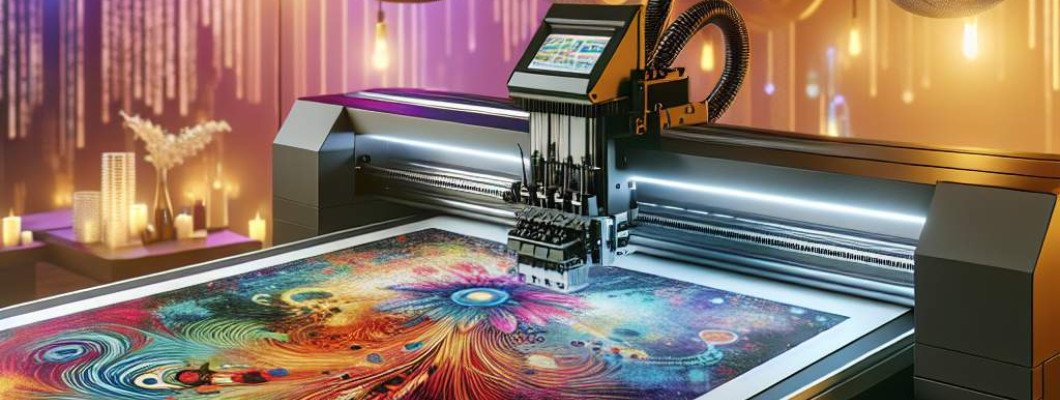
Are you struggling to stand out with your creative designs? Wondering how to merge art and technology seamlessly? If so, you're not alone. Modern artists and designers are increasingly turning to DTG printing—direct-to-garment printing—as a game-changer for bringing their visions to life. Let"s dive into how this innovative technology is transforming the world of art and fashion.
Understanding DTG Printing: The Basics
What is DTG Printing?
DTG printing means digital textile printing directly onto fabric. Instead of screen printing or heat transfers, DTG uses specialized inkjet technology to print high-resolution images straight onto garments. Think of it as your home printer, but designed for complex fabrics and vibrant colors.
This method allows for incredible detail, vibrant color schemes, and printing on various fabric types. It"s perfect for small runs, personalized designs, or quick prototypes. And the best part? It"s fast and eco-friendly compared to traditional methods.
Why Modern Artists and Brands Love DTG Printing
Customization and Flexibility
Imagine you're chatting with a fellow artist who used to spend hours preparing screens or applying transfers. Now, with DTG, you can upload a design, and it prints directly onto your shirt within minutes. This flexibility means you can create limited editions, one-offs, or intricate designs without extra costs or delays.
Cost-Effective for Small Batches
Traditional printing methods involve setup costs per design, which makes small runs expensive. DTG eliminates this barrier. You can produce just a few items, test the market, or customize each product. For small businesses or custom shops, this is a real game-changer.
High-Quality and Durability
Many people worry about prints cracking or fading over time. But modern DTG inks are designed to be both vibrant and durable, standing up to wash cycles. Plus, with the right pre-treatment and curing, you get professional-quality results that truly last.
How DTG Printing Enhances Artistic Expressions
Unleashing Creativity with Detail and Color
One of the biggest advantages of DTG is the ability to produce highly detailed images, including photographs, gradients, and complex graphics. If you"re an artist wanting to showcase your work on apparel, this is the perfect tool. No more limitations due to screen mesh sizes or stencil restrictiveness.
Testing Designs Quickly
Ever wanted to see how a design looks on a real garment before mass production? With DTG, you can print a sample in minutes. This instant turnaround lets you test, refine, and perfect your artwork without waiting weeks.
Integrating DTG Printing into Your Workflow
Choosing the Right Equipment
If you"re serious about incorporating DTG, investing in a quality printer is key. Here"s what to look for:
- High-resolution printing capabilities
- Compatibility with various fabric types
- Ease of use and maintenance
- Support for eco-friendly inks
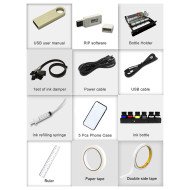
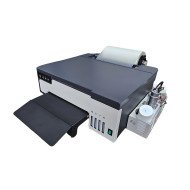
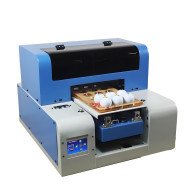
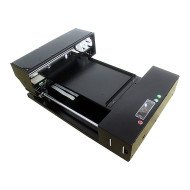
You can explore options like the A3 DTG Printer, which offers excellent quality and value for small to medium-sized operations.
Preparing Your Files and Garments
For best results, design files should be high resolution, ideally 300 dpi or higher. Use vector formats like AI or SVG for sharp lines. Pre-treat your garments properly—this step is crucial for ink adhesion and durability. Most printers include guidance for this process.
Next Steps: Making DTG Work for You
Start Small, Scale Fast
It"s smart to start with a modest investment and test the waters. Print sample collections, gather feedback, and refine your process. Once you"re confident, you can expand your production with larger batches or additional apparel types.
Stay On Top of Trends and Techniques
Following industry blogs, attending workshops, or joining online communities keeps you updated on new inks, fabrics, and design tips. DTG is continuously improving, so leverage every innovation to stay competitive.
FAQs About DTG Printing and Creative Use
1. Can DTG print on all fabric types?
Most natural fabrics like cotton, bamboo, or blends work well. Some synthetics are less compatible, but advancements are expanding possibilities.
2. Is DTG printing eco-friendly?
Yes, especially when using water-based inks and proper curing processes. It produces less waste compared to screen printing, making it a more sustainable choice.
3. How durable are DTG prints?
With proper pre-treatment and curing, prints last through many washes without fading or cracking.
4. What"s the cost of starting with DTG?
Entry-level printers vary, but good options typically start around $10,000. Remember, this includes high-quality inks, maintenance, and operating costs.
5. Can I use DTG for commercial production?
Absolutely. Many small and medium enterprises use DTG to fulfill customer orders quickly and with high quality.
Whether you"re an artist, entrepreneur, or hobbyist, integrating DTG printing into your workflow can unlock new creative possibilities. The key is understanding your options and focusing on quality and efficiency. Ready to bring your designs to life? Explore the A3 DTG Printer and start creating today.













Leave a Comment