
What Businesses Learn After Adding a T-SHIRT PRINTER to Their Workflow
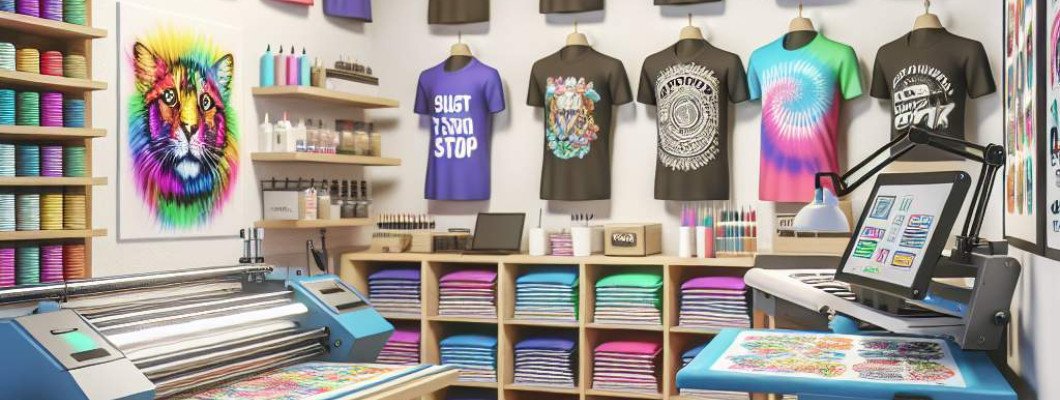
Are you struggling to keep up with the demand for custom apparel or looking for ways to differentiate your clothing business? Maybe you've wondered if adding a T-shirt printer to your workflow could be a game-changer. If so, you're not alone. Many entrepreneurs discover that incorporating a T-shirt printer unlocks new levels of efficiency, creativity, and profitability. But what exactly do businesses learn after making this investment?
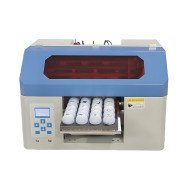
When a company invests in a high-quality T-shirt printer, such as the A3 DTG Printer, it"s not just about printing shirts. It"s about transforming how they operate, deliver products, and serve customers. Here"s a deep dive into the lessons and benefits that businesses typically discover after adding this powerful tool to their production line.
Understanding the Power of Direct-to-Garment (DTG) Printing
First, it"s essential to grasp what DTG printing offers. Unlike traditional screen printing or iron-on transfers, DTG (Direct-to-Garment) printing allows for high-resolution, full-color, and complex designs to be printed directly on fabric. This process is faster, more precise, and more cost-effective for short runs or one-off designs.
Many entrepreneurs are surprised to learn that with a reliable T-shirt printer, they can produce detailed images, gradients, and multi-color artwork without needing expensive screens or setup times. This opens the door for countless product variations and personalized orders, making small batch manufacturing profitable and scalable.
Key Lessons Businesses Learn After Integrating a T-shirt Printer
1. Flexibility in Product Design and Customization
- Rapid Prototyping: You can quickly test new designs or concepts without huge upfront costs.
- Personalized Products: Running small batches of custom shirts can become a viable business model, attracting niche markets.
- On-Demand Printing: Meet customer demand swiftly, reducing inventory and waste.
2. Reduced Costs and Increased Efficiency
- Lower Setup Time: Unlike screen printing, DTG requires minimal preparation, saving hours per order.
- Less Waste: No need for screens or chemicals, leading to a greener process and lower material costs.
- Streamlined Workflow: Integration with design software allows for quick edits and direct printing, minimizing delays.
3. Enhanced Quality Control
When you add a T-shirt printer, you get direct insight into the output quality. You can inspect prints immediately and make adjustments on the fly. This level of control means fewer rejected orders, happier customers, and a stronger reputation for quality.
4. Expanded Business Opportunities
- Custom Merchandise: Partner with local businesses, schools, or events to provide branded apparel.
- Gift Market: Offer personalized gifts, which have become a popular online purchase trend.
- New Revenue Streams: Think beyond T-shirts—hoodies, tote bags, and other apparel can also be printed with the same printer.
5. Learning and Innovation in Design
Having your own printer encourages experimentation. You can play with textures, layered effects, and specialty inks. Over time, this innovation can become a core competitive advantage, differentiating your brand in a crowded marketplace.
How to Make the Most of Your T-shirt Printer Investment
Successful integration depends on strategic planning. Here are tips that real users find essential:
- Invest in Quality Software: Use professional design tools that seamlessly connect with your printer for quick, accurate printing.
- Maintain Your Equipment: Regular cleaning and servicing extend the lifespan and keep your prints consistent.
- Build a Portfolio: Showcase your best work online and offline to attract more clients.
- Offer Excellent Customer Service: Fast turnaround and quality assurance turn first-time buyers into repeat customers.
Consider exploring the A3 DTG Printer as your next step. Its features are designed for businesses aiming to scale reliably with high-quality output.
Real User FAQs on Adding a T-shirt Printer to Business Workflow
Q1: How quickly can I start producing shirts after installing a T-shirt printer?
With proper setup and learning, most businesses can start producing high-quality shirts within a few days to a week. The initial setup involves calibrating the printer, installing software, and practicing print runs.
Q2: Is DTG printing suitable for large volume orders?
DTG shines with small to medium batches. For very large volumes, traditional screen printing might be more economical. However, for on-demand and customized needs, DTG offers unmatched flexibility.
Q3: What are the ongoing costs associated with running a T-shirt printer?
Costs include consumables like inks and pre-treatment solutions, maintenance, and periodic replacement parts. Proper maintenance reduces downtime and prolongs equipment lifespan.
Q4: Can I print on different fabric types?
Yes, but compatibility depends on the material. Most DTG printers work best with 100% cotton or blends designed for direct printing. Test printing on different fabrics is recommended for best results.
Q5: How does adding a T-shirt printer impact my profit margins?
By reducing outsourcing costs and offering unique, customizable products, a T-shirt printer can significantly boost profit margins. Over time, the investment pays off through increased sales and expanded product offerings.
Adding a T-shirt printer to your workflow isn't just about equipment—it's about taking control of your production, improving quality, and opening new markets. As businesses discover these benefits firsthand, they realize that this investment is a proven way to grow and succeed in the competitive apparel industry.















Leave a Comment