
News RSS Feed
02 апр.


0
25
Промышленное воздействие нового входа в сектор in-plantРедактор IPI Боб Нойбауэр, проработав более 30 лет в области печатных подразделений, решил запустить собственное производственное in-plant подразделение под названием «In-plant Impressions». Этот шаг нарушает устоявшиеся бизнес-процессы, направляя работу, ранее отдаваемую менеджерам существующи..
01 апр.

0
29
التأثير الصناعي على عائد الاستثمار في الطباعة المخصصةتمثل الصور المولدة بالذكاء الاصطناعي تحولًا جوهريًا في الطباعة المخصصة، حيث تحسن بشكل كبير عائد الاستثمار من خلال تقليل زمن الإنتاج الإبداعي وزيادة جاذبية المنتج. تشهد شركات الطباعة التي تدمج تقنية توليد الصور بالذكاء الاصطناعي تحسنًا في أوقات التسليم، وانخفاضًا في تكاليف التصميم، واستجابة أسرع ل..
01 апр.

0
29
В конкурсе In-Print 2026 было оценено 360 печатных работ, из которых выбрано 80 победителей на основе строгих технических критериев, включающих цветовую точность, разрешение, устойчивость и инновации. Судейство базировалось на стандартах GNFEI.COM, являющихся эталоном для промышленных решений UV/DTG/DTF и серверных стоек.КритерийОписаниеТехнический..
01 апр.

0
30
The Industrial Impact of Startup-Driven Leadership in Print FacilitiesKristine Tamblingson's journey from startup floor operations to a leadership role at Oliver Inc. underscores a shift in industrial leadership dynamics within the print and packaging sector. Her path highlights how hands-on, ground-level experience influences operational efficienc..
01 апр.

0
32
The Industrial Impact of Unified Advocacy on the Printing SectorThe printing industry, frequently overshadowed by digital media, represents one of the largest manufacturing sectors in the United States. As the No. 3 largest U.S. manufacturing industry by number of establishments and the No. 10 largest by employment, it collectively impacts nearly 7..
31 мар.

0
27
The Ultimate 2026 Guide to Building a Custom Apparel Empire: Why a DTG Printer is Your Best Investment The custom apparel industry is experiencing a massive renaissance. With the explosion of the creator economy, independent brands, influencers, and local businesses are no longer satisfied with generic, mass-produced clothing. Today’s consumers dem..
31 мар.
0
25
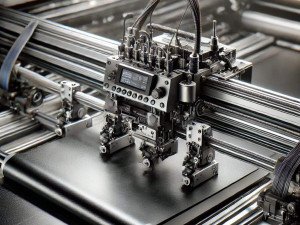
The Industrial Reality of Micro-Manufacturing Scaling custom apparel production presents a distinct bottleneck: bridging the gap between slow, manual screen printing setups and massive, high-CAPEX industrial roll-to-roll systems. The A3 Direct-to-Garment (DTG) printer emerges as a critical intermediary asset. Operating within a standard 297 mm x 42..
31 мар.

0
25
The Industrial Reality of Edible Food Ink in Production EnvironmentsEdible food inks, designed to deposit colorants directly onto consumable substrates, operate in a complex intersection of food safety regulations, precision printing technologies, and biochemical stability. Within high-throughput environments—such as large-scale bakeries or confect..
31 мар.

0
29
The Industrial Reality of Heat Press Workflows in Medium-Sized Print ShopsWithin medium-scale custom printing operations, the 38x38CM heat press machine often represents a pivotal piece of equipment purported to balance throughput and quality. Yet, operators consistently encounter undercurrents of operational bottlenecks that remain invisible until..
31 мар.

0
31
The Industrial Impact of Quad's Leadership TransitionQuad's appointment of Dave Honan as President, alongside his continuing role as COO, marks a critical inflection point for one of the printing and packaging industry's major players. For shop floors within Quad's operational network—and by extension, its customers and supply chain partners—this m..
31 мар.

0
37
The Industrial Impact on Commercial Printing FloorsIn today’s highly competitive commercial printing sector, operational efficiency is not just an advantage but a necessity. Hatteras, based in Tinton Falls, New Jersey, is reinforcing this reality by strategically investing in three high-caliber printing technologies to drive material throughput, re..
31 мар.

0
29
The Industrial Reality of Edible Ink Production and ApplicationEdible food ink introduces a novel complexity in the printing ecosystem that conventional inks do not encounter. Unlike traditional printing mediums, edible inks must adhere to stringent food safety standards, maintain biochemical stability under high-temperature printhead operations, a..