
Energy-saving manufacturing trends highlighting LED UV printer as a smarter choice for modern print workshops
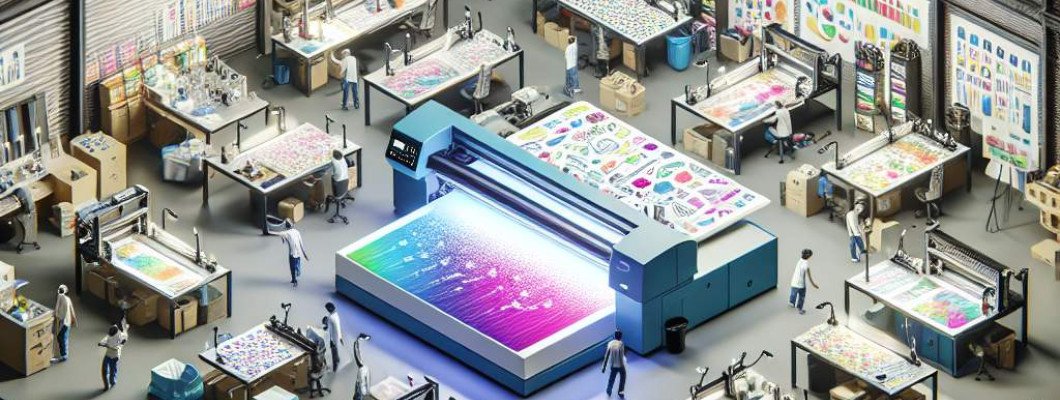
Are You Looking to Make Your Printing Workshop More Sustainable and Efficient?
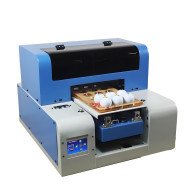
In an era where energy efficiency and sustainability are more than just buzzwords, many print workshop owners are asking, how can I reduce my energy consumption while staying competitive? If you"re considering upgrading your equipment, the answer might lie with the latest in printing technology—specifically, the LED UV printer. These advanced machines are revolutionizing modern print workshops by combining energy-saving features with high-quality output, making them a smarter investment for today"s eco-conscious industry.
Understanding the Shift Toward Energy-efficient Manufacturing
Manufacturing and printing are evolving, driven by the global push for sustainability and energy conservation. The traditional printing methods often consume high amounts of power, generate waste, and involve materials that are less eco-friendly. The industry is shifting towards energy-efficient manufacturing trends that prioritize:
- Reduced Power Consumption: Technologies that use less electricity
- Minimized Waste: Less ink, fewer materials, and better resource management
- Faster Production Cycles: Cutting down on energy use per item produced
- Eco-friendly Materials: Using sustainable inks and substrates
In this context, LED UV printers stand out as a game-changer. They leverage innovative lighting technology to improve energy efficiency while delivering superior print quality. This aligns perfectly with the current manufacturing trends aiming for sustainability with tangible business benefits.
What Makes LED UV Printers a Smarter Choice for Modern Print Workshops?
Imagine chatting with a fellow shop owner who recently upgraded to an LED UV printer. They share how their energy bills dropped significantly, and their print quality improved — all while offering new materials and products to their clients. This kind of success story isn"t uncommon anymore. Here"s why LED UV printers are increasingly preferred:
- Lower Energy Usage: Unlike traditional UV printers with mercury lamps that need time to warm up and consume more power, LED UV printers operate on low-voltage LED lighting, which uses less energy and heats up instantly.
- Faster Curing Times: LED UV light cures ink immediately, enabling quicker production cycles, reducing machine downtime, and saving energy per job.
- Less Heat Emission: The cooler operation translates into energy savings and a safer work environment.
- Longer Lifespan and Lower Maintenance Costs: LED light sources last longer and require less maintenance, further reducing operational costs and energy use.
- Versatile Material Compatibility: From plastics to wood, metal, and glass, LED UV printers handle a wide range of substrates with less environmental impact.
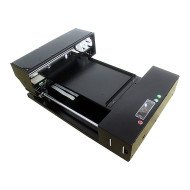
By investing in an LED UV printer, your workshop can not only save energy but also expand your service offerings, attract eco-conscious clients, and reduce your carbon footprint. Learn more about LED UV printers here.
How Energy-saving Trends Are Shaping Future-Proof Print Workshops
Smart print workshops are adopting energy-efficient manufacturing practices to future-proof their operations. These practices include:
- Replacing outdated equipment with energy-efficient alternatives like LED UV printers
- Implementing waste reduction programs to cut costs and environmental impact
- Utilizing renewable energy sources such as solar panels to power operations
- Optimizing workflow with automation to reduce unnecessary energy expenditure
- Training staff on energy conservation and sustainable practices
Integrating LED UV printing technology aligns perfectly with these trends, providing a sustainable, cost-effective, and high-quality printing solution. As more businesses recognize the importance of environmental responsibility, the transition to greener technology becomes a strategic advantage rather than just a compliance requirement.
Real World Examples of Sustainable Success with LED UV Printing
Take, for example, a small printing shop that transitioned to LED UV technology. Within months, they reported a 25% reduction in energy costs, a wider range of printable materials, and happier clients demanding eco-friendly products. They also benefited from quicker turnaround times, enabling them to take on larger orders with less stress.
This story is becoming increasingly common across the industry. Smaller workshops, large manufacturing facilities, and everything in between are recognizing that energy-efficient printing isn"t just good for the environment—it makes good business sense.
Making the Switch: What You Need to Know
If you"re contemplating upgrading your printing equipment to align with energy-saving manufacturing trends, consider these steps:
- Assess your current machinery: Identify high-energy-consuming devices.
- Research eco-friendly alternatives: Focus on LED UV printers with proven energy efficiency.
- Calculate ROI: Include energy savings, maintenance costs, material savings, and potential new revenue streams.
- Train your team: Ensure they understand how to operate new equipment efficiently.
- Implement sustainable practices: Beyond equipment, optimize workflows and materials for maximum sustainability.
Upgrading to an LED UV printer is a strategic move that aligns your workshop with the latest manufacturing trends, improves your sustainability profile, and boosts your bottom line.
FAQs About Energy-saving Manufacturing and LED UV Printing
1. How much energy can I save by switching to an LED UV printer?
Many users report reductions of 30-50% in their energy consumption compared to traditional UV or solvent-based printers. The actual savings depend on your current equipment and operational scale.
2. Are LED UV printers suitable for all types of printing materials?
Yes. LED UV printers can print on a wide variety of substrates, including plastics, metal, glass, wood, and even ceramics. Their versatility makes them ideal for diverse applications.
3. What is the typical lifespan of an LED UV printer"s light source?
Generally, LED UV light sources last between 20,000 to 30,000 hours, significantly longer than traditional UV lamps, reducing replacement costs and downtime.
4. Can upgrading to LED UV printers help my business attract eco-conscious clients?
Absolutely. Many consumers prefer brands with sustainable practices. Offering eco-friendly printing options enhances your reputation and expands your customer base.
5. Are there any drawbacks to switching to LED UV printing technology?
Initial investment can be higher, but the long-term savings and benefits typically outweigh these costs. Additionally, training staff on new technology is necessary but manageable with proper support.












Leave a Comment