
Premium branding projects gaining depth as uv 3d printer turns flat graphics into tactile experiences
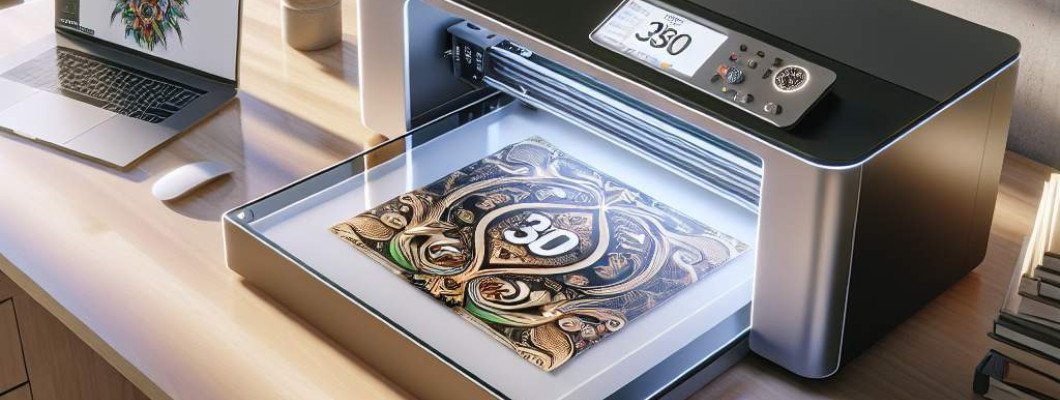
Are you struggling to make your branding stand out in a crowded marketplace? Do you want your products and packaging to leave a lasting impression that customers can feel? If so, you're not alone. Many brands are turning to innovative printing technology to elevate their visual identity and create tactile experiences that delight and engage consumers. One of the most exciting advances in this field is UV 3D printing, which transforms flat graphics into dynamic, tactile surfaces that add depth and sophistication to premium branding projects.
UV 3D printing technology has revolutionized how businesses approach surface decoration and brand presentation. Unlike traditional printing methods that rely solely on visual appeal, UV 3D printers can add physical textures directly onto various materials, creating a multi-sensory experience. Imagine a logo that feels raised under your fingertips, or packaging that incorporates seamless embossed patterns that enhance the overall perception of quality. This technique allows brands to move beyond flat visuals and craft tactile branding elements that resonate on a deeper level.
What is UV 3D Printing and How Does It Work?
UV 3D printing is an additive manufacturing process that uses ultraviolet light to cure specially formulated resin or ink instantaneously, building up layers to create three-dimensional textures on flat surfaces. The technology combines the precision of digital printing with the versatility of additive manufacturing, allowing for intricate designs with high-detail depth. In essence, it enables you to print not just images or text but also physical surfaces with varied elevations, textures, and contours — all in a single seamless process.
The process involves projecting UV light onto a liquid resin that hardens immediately, layer by layer, based on the digital design. The printer"s print head moves smoothly across the surface, selectively curing resin where texture is needed. This means you can add embossed patterns, tactile logos, or textured finishes directly onto a variety of materials such as plastics, metals, glass, ceramics, or even paper. The result is a durable, premium surface that elevates your product presentation and can significantly enhance brand perception.
Benefits of Integrating UV 3D Printing into Premium Branding Projects
- Enhanced Visual and Tactile Appeal: Combining sight and touch creates an immersive experience that captivate customers and reinforce brand identity.
- Unique Customization: Easily tailor textures, logos, or patterns for limited editions or personalized packaging, setting your brand apart.
- High Precision and Intricacy: Achieve detailed micro-textures and complex designs that traditional methods can't match.
- Seamless Integration: Apply textures directly on existing packaging, labels, or promotional items without the need for additional coatings or embellishments.
- Durability and Quality: UV-cured textures are resistant to wear, ensuring the tactile features last longer and maintain their premium feel over time.
Real-World Applications and Inspiring Examples
Let"s consider a boutique perfume brand that wanted to convey luxury and exclusivity. Using UV 3D printing, they added raised patterns mimicking a floral motif on their glass bottles, combined with embossed logos on their packaging. The textured surfaces not only looked stunning but also felt smooth yet defined, offering an engaging experience for customers. This tactile element became a signature feature, differentiating the product on shelves and boosting perceived value.
Similarly, a luxury watchmaker employed UV 3D printing to craft embossed hour markers and textured background layers on their dials. This subtle but impactful use of depth added a sense of craftsmanship and sophistication, making the watches more desirable. From high-end packaging to promotional materials, UV 3D printing offers an array of creative options to elevate branding initiatives beyond the visual.
How to Incorporate UV 3D Printing Into Your Branding Strategy
Getting started with UV 3D printing requires strategic planning. Here are key steps:
- Identify Your Core Message: Decide which elements—logos, patterns, themes—can benefit from tactile enhancement.
- Select Suitable Materials: Ensure the substrates (like packaging, labels, signage) are compatible with UV 3D printing technology.
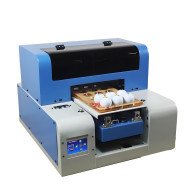
- Work with Specialist Manufacturers: Partner with experienced UV printing service providers or invest in a high-quality UV 3D printer such as the A3 Spot UV Printing Machine to maintain control over quality and innovation.
- Design for Depth and Texture: Collaborate with designers familiar with 3D detailing to create visually compelling and tactually engaging artwork.
- Prototype and Test: Produce samples to evaluate the tactile experience, durability, and overall aesthetics before mass production.
- Implement Across Key Touchpoints: Apply textured elements to flagship packaging, labels, business cards, or promotional giveaways to maximize impact.
Best Practices for Stunning Outcomes
To ensure your premium branding projects benefit fully from UV 3D printing, consider these tips:
- Keep Designs Simple: Overly complex textures may hinder print quality or tactile clarity. Focus on impactful, bold textures.
- Consistency is Key: Maintain uniformity in textures across all branding elements to reinforce brand identity.
- Choose Contrast Wisely: Combine matte and gloss finishes or contrasting textures to add visual interest and tactile differentiation.
- Prioritize Quality Control: Regularly inspect prints for defects, alignment, and durability to uphold premium standards.
- Balance Innovation with Practicality: Use UV 3D textures where they have the greatest impact, avoiding overcomplication that could increase costs or manufacturing difficulties.
Future Trends in Premium Branding with UV 3D Printing
The future of branding lies in multi-sensory experiences. Advances in UV 3D printing are paving the way for even more sophisticated textures, embedded features like conductive traces for smart packaging, and environmentally friendly materials. Brands that embrace this technology now position themselves as innovators and leaders in premium market segments. By integrating tactile design into storytelling, packaging, and product presentation, companies can forge emotional connections that turn customers into loyal advocates.
For businesses seeking a competitive edge, investing in UV 3D printing technology like the A3 Spot UV Printing Machine offers tangible benefits. It transforms ordinary branding elements into extraordinary tactile assets that boost perceived value and ignite customer curiosity. As brand differentiation becomes more challenging, elevating your products with tactile textures is a smart move to create unforgettable experiences and stand out in the market.
Frequently Asked Questions
- Can UV 3D printing be used on all materials? UV 3D printing works best on plastics, paper, glass, and metals, but compatibility depends on the specific printer and resins used. Consult with your provider for tailored solutions.
- Is UV 3D printing durable enough for everyday handling? Yes, the textures cured with UV light are highly resistant to wear, scratches, and environmental factors, making them suitable for packaging and promotional items.
- What"s the difference between UV 3D printing and embossing? UV 3D printing creates textures directly through additive layers of cured resin, allowing more intricate designs and flexible customization, whereas embossing involves separate stamp or mold processes.
- Is UV 3D printing cost-effective for small batch productions? Modern UV 3D printers are increasingly accessible for small runs, and the added tactile value often justifies the investment, especially for premium branding projects.
- How can I ensure quality in my UV 3D printed textures? Work with experienced printers, review prototypes, and specify material and design standards clearly to achieve consistent, high-quality results.













Leave a Comment