
Print-on-demand platforms expanding globally with DTF printer supporting diverse fabric needs
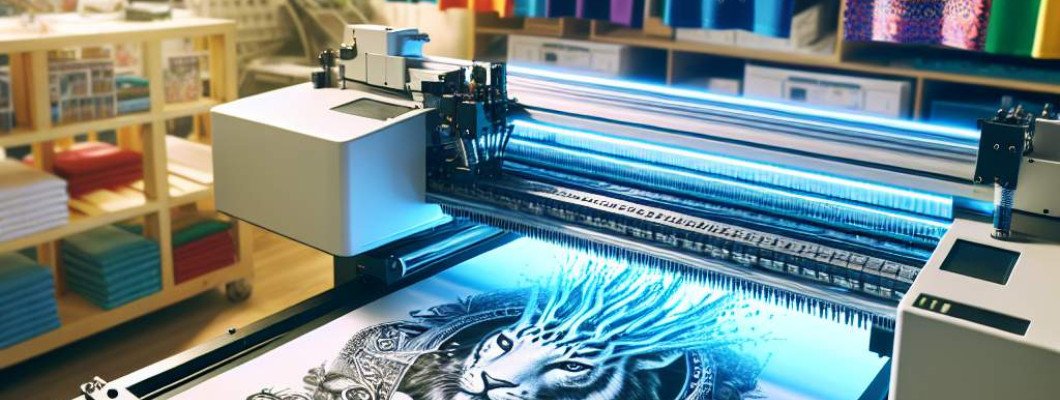
Are you struggling to find reliable ways to expand your print-on-demand business globally? Do you wonder how to keep up with the rising demand for customized apparel across diverse fabrics? If so, you're not alone. Many entrepreneurs face challenges when trying to scale their operations and reach international markets. Fortunately, the rise of DTF (Direct-to-Film) printers is transforming the landscape. These innovative machines are revolutionizing how print-on-demand platforms support a wide range of fabrics, making international expansion more accessible and efficient than ever before.
Print-on-demand platforms have traditionally been limited by the types of fabrics they could print on. Standard inkjet or direct-to-garment (DTG) printers excel on cotton but struggle with synthetic or blended fabrics. This meant that brands focusing on sportswear, jackets, or other specialty textiles often faced high costs or compromised quality. The introduction of DTF printers is changing this paradigm. These machines allow printing on virtually any fabric—from polyester and nylon to blends—opening new doors for online retailers and custom print shops worldwide.
Understanding the Power of DTF Printing for Global Expansion
So, what makes DTF printers such a game-changer? Essentially, they work by printing designs onto a special film, which is then transferred to fabric using heat and pressure. This process offers several advantages:
- Compatibility with a wide range of fabrics: Including polyester, nylon, leather, and blends.
- High-quality, durable prints: Resistant to cracking and peeling even after multiple washes.
- Cost-efficiency: Lower setup costs compared to traditional screen printing or embroidery for small batches.
- Color vibrancy and detail: Capable of printing complex, full-color designs seamlessly.
- Faster production times: Suitable for on-demand orders, reducing inventory risks.
A small business owner in South America shared how switching to DTF printing allowed them to diversify their product offerings without huge investments. They now serve international clients who want custom training gear, jackets, or accessories made of synthetic fabrics. The key was adopting a reliable DTF printer, like the DTF printer from Gnfei, which provided consistent results across different fabric types. This shift helped them expand their market reach dramatically and increase profit margins.
What Makes a DTF Printer Ideal for Global Print-on-Demand Platforms?
If you're considering integrating DTF printing into your business, you'll need to understand what features are essential for successful global expansion:
- High resolution and color accuracy: To meet international quality standards.
- Reliable ink delivery system: Minimizes downtime and ensures consistent prints across large batches.
- Ease of operation and maintenance: Especially if your team is remote or international.
- Support for multiple fabric types: To serve diverse global markets.
- Affordable consumables and replacement parts: Keeps operational costs low worldwide.
Choosing the right DTF system is crucial. For example, Gnfei"s A3 T-Shirt Printing Machine offers high-resolution printing, user-friendly controls, and compatibility with various fabrics, making it a top choice for businesses looking to expand internationally.
How to Seamlessly Integrate DTF Technology into Your Existing Platform?
Here"s a straightforward approach to incorporating DTF printing into your global operations:
- Assess your current product range and target markets: Identify fabrics and designs in demand.
- Invest in a reliable DTF printer: Consider models with good reviews and support, like Gnfei"s offerings.
- Train your team or outsource: Proper technique ensures high-quality results across different fabrics.
- Update your online platform: Offer filters for fabric choices, print options, and international shipping.
- Build a network of international suppliers and logistics providers: Ensure timely delivery and quality control.
- Market your expanded capabilities: Highlight the diversity of fabrics and customization options in your campaigns.
Many global print-on-demand platforms have seen exponential growth by embracing DTF technology. Their secret? Offering a versatile range of products that cater to local preferences and climate conditions. For instance, a European seller started printing on moisture-wicking polyester sportswear, which became a hit among international customers. This success story underscores how DTF printers can unlock new markets.
Addressing Common Challenges in International Fabric Printing
While DTF printing simplifies a lot of previous hurdles, some challenges remain:
- Color consistency: Be sure to calibrate your printers regularly and use high-quality inks.
- Shipping delays: Collaborate with trusted logistics providers familiar with international customs.
- Material sourcing: Secure reliable suppliers for fabrics compatible with DTF printing in different regions.
- Cultural preferences: Adjust your designs and fabric choices to local tastes and climate needs.
- Quality control: Implement strict standards and sample checks before scaling up.
For example, a startup in Asia noticed that synthetic fabrics were popular in some markets but less so in others. By tailoring fabric choices and optimizing their DTF printer settings, they met local demands without sacrificing quality. Investing in training and proper equipment like Gnfei"s DTF printer helped them navigate these complexities effectively.
Future Trends: How DTF Printing Continues to Expand Globally
The future of DTF technology looks promising as it continues to evolve:
- Enhanced printer speeds: Shortening production cycles for large orders.
- Wider color gamuts and richer textures: Allowing even more complex designs.
- Eco-friendly inks and materials: Reducing environmental impact and appealing to green-conscious consumers.
- Integration with automation and AI: Improving quality control and customization options.
All these advancements will make it easier for print-on-demand platforms to serve a diverse client base around the world, supporting an array of fabrics suited to local climates and trends. The broad compatibility of DTF printing, coupled with ever-improving machinery, ensures brands can stay competitive and innovative in the global marketplace.
FAQs
1. What types of fabrics can a DTF printer handle?
DTF printers are capable of printing on a wide range of fabrics, including polyester, nylon, leather, and blended textiles. This versatility makes them ideal for global markets with varying material preferences.
2. Is DTF printing more cost-effective than traditional methods?
Yes. DTF printing typically has lower setup costs and faster turnaround times, especially for small batch or on-demand orders, making it highly cost-effective for international expansion.
3. How durable are DTF prints on different fabrics?
Prints made with DTF technology are highly durable. They resist cracking, fading, and peeling, even after multiple washes, which is crucial for customer satisfaction worldwide.
4. Can I use DTF printers for large-scale production?
Absolutely. Many DTF printers are designed for high-volume output, enabling businesses to fulfill big orders efficiently while maintaining quality standards.
5. What should I look for when choosing a DTF printer for global business?
Focus on resolution, fabric compatibility, ease of use, support, and cost of consumables. A reliable manufacturer like Gnfei provides comprehensive support and quality assurance.












Leave a Comment