
New environmental regulations and VOC restrictions accelerating migration from solvent printers to uv printer alternatives
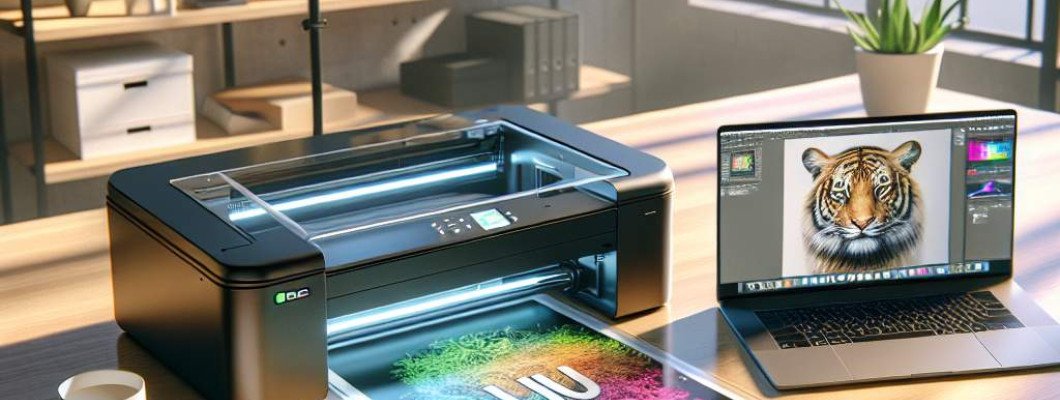
Are You Struggling to Keep Up with Environmental Regulations in Printing?
In today"s printing industry, staying ahead of regulations can feel overwhelming. The latest environmental rules and VOC restrictions are reshaping how we print and what equipment we use. Many printers are asking, "How can I adapt without losing productivity or quality?"
The truth is, these changes might be a blessing in disguise. They push us toward greener, more sustainable options. And one of the biggest shifts is moving away from traditional solvent printers towards UV printing solutions. If this sounds familiar, you're not alone. Let"s unpack what"s happening and how to stay competitive.
Understanding the New Environmental Regulations and VOC Limits
What"s driving the change?
Governments worldwide are tightening regulations on volatile organic compounds—VOCs. These compounds are dangerous because they release harmful fumes into the air, affecting health and environment. Solvent printers, which use chemical-based inks, emit high levels of VOCs, so they"re directly impacted by new legal limits.
Countries are setting stricter standards to reduce emissions and promote safer workplaces. This means old-school solvent-based printing is becoming less viable due to regulatory pressure and increasing operating costs.
Impact on the Printing Industry
Many printers find themselves at a crossroads. Some face increased taxes, permits, or even bans on solvent printing in certain regions. This doesn"t just affect costs; it can also halt operations if compliance isn"t met. Essentially, continuing with solvent printing might soon become unsustainable in regulated areas.
On the flip side, this opens doors for innovation—particularly for UV printing technologies, which have minimal VOC emissions. Making the switch now could help you avoid future restrictions and keep your business thriving.
Why UV Printers Are the Smarter Choice
Lower emissions and compliance
UV printers use UV light to instantly cure ink on various substrates. Since they don"t rely on chemical solvents, they produce virtually no VOC emissions. That means you comply with the strictest environmental standards without sacrificing output quality or speed.
Imagine printing that"s both eco-friendly and cost-effective. No more worries about VOC limits, permits, or environmental inspections. Switching to UV is a direct way to future-proof your business.
Speed and quality advantages
Beyond compliance, UV printers offer a host of benefits:
- Fast curing times — no drying time needed, so jobs are done quicker.
- High-quality visuals — vibrant, sharp images with detailed textures.
- Versatile substrates — print on plastics, glass, wood, metals, and more.
- Low waste and rework — fewer rejects, less material waste.
This means you can deliver high-end products efficiently, making your business more competitive.
How to Make the Transition Smooth
Plan your upgrade carefully
Switching to UV printing isn"t just about buying new equipment; it"s about integrating it into your workflow. Here are some tips:
- Assess your current needs— what are your most common jobs, substrates, and output volumes?
- Research UV printers— look for models with proven reliability and support.
- Train your team— ensure everyone understands how to operate new equipment safely and efficiently.
For example, I chatted with a friend who transitioned to UV; she said the initial learning curve was small compared to the long-term benefits.
Consider the financial impact
Yes, UV printers require upfront investment, but the savings are real:
- Lower operational costs due to reduced waste and rework
- Avoiding future compliance fines or restrictions
- Expanding your services with high-quality, eco-friendly print offerings
Look at it as an investment into future growth rather than an expense. Make sure to calculate ROI based on your unique workflow.
Feature Your Business with Eco-Friendly UV Printing
As environmental regulations tighten, clients increasingly value sustainable practices. Offering UV printing with eco-friendly credentials can differentiate your brand. Plus, marketing that you comply with green standards can boost your reputation and attract new customers.
If you"re ready to upgrade, check out the Spot UV Printing Machine — a versatile, glossy UV coating printer that fits many needs. It"s a great step toward sustainable, compliant printing.
FAQs: Moving from Solvent to UV Printing
- Is UV printing more cost-effective in the long run? Yes. Although the initial investment is higher, savings on supplies, waste, and compliance costs balance out over time.
- Will switching to UV affect my current workflow? It depends. Most UV printers are compatible with existing substrates, but some process adjustments may be necessary.
- Can I print on the same materials as solvent printers? Often yes, but verify with the UV printer manufacturer to ensure compatibility.
- What are the environmental benefits of UV printing? UV printing produces minimal VOC emissions, uses less solvent, and generates less waste, making it safer for workers and better for the planet.
- Is UV printing suitable for all print sizes? Modern UV printers come in various sizes, suitable for small signs to large-format banners, offering flexibility across applications.
Adapting to new environmental regulations doesn"t have to disrupt your business. Embracing UV printing is a smart move that aligns with greener standards and keeps you ahead in a competitive market. Want to see how it works? Check out the Spot UV Printing Machine — a powerful tool for your eco-friendly future in printing.













Leave a Comment