
DTG Printer Stories from Businesses That Ditched Bulk Production
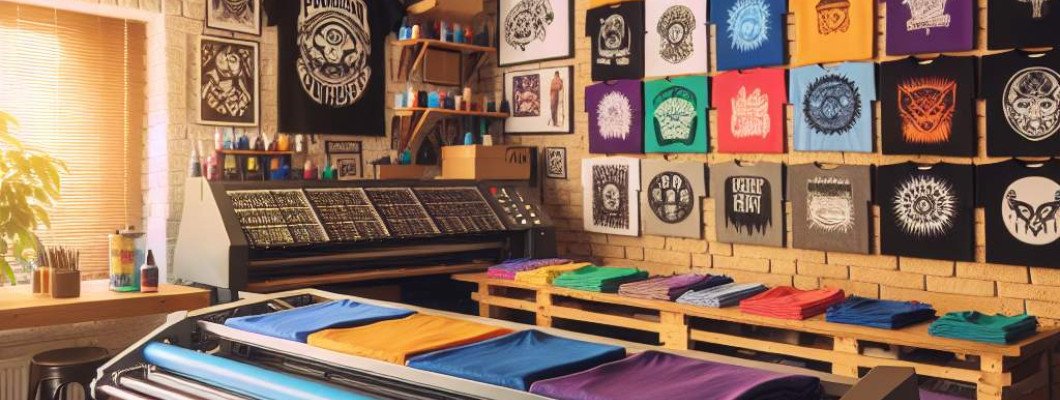
DTG Printer Stories from Businesses That Ditched Bulk Production
Are you struggling to scale your apparel business or feeling limited by traditional bulk printing methods? Have you wondered if there"s a way to get more flexible, cost-effective, and creative control over your custom garments? If these questions hit home, you're not alone. Many entrepreneurs and small business owners are making the switch to Direct-to-Garment (DTG) printing, transforming their workflows and customer experiences.
Leading the way are stories from businesses that decided enough was enough with bulk production and embraced DTG technology. These stories reveal how ditching traditional methods can unlock new opportunities, improve profit margins, and allow for greater innovation.
Why Did These Businesses Change Their Approach?
For years, companies relied heavily on bulk screen printing or mass production, which often involved large minimum order quantities, lengthy setup times, and limited customization. Over time, these constraints started to hinder growth, especially for small or niche brands targeting local or online markets. The key reasons these businesses transitioned to DTG printing include:
- Demand for Small Batch & Custom Orders: Consumers now expect personalized products. Scrapping bulk methods allowed these brands to offer one-off designs without extra costs.
- Faster Turnaround Times: Traditional screen printing can take days from order to shipment. DTG enables same-day printing for quick delivery.
- Lower Upfront Investment: With no need for expensive screens or extensive setup, small operations can start or expand without heavy capital costs.
- High-Quality, Detailed Prints: Modern DTG systems produce vibrant, complex images that surpass some conventional methods in detail and color accuracy.
Imagine chatting with a friend who runs a local tee shirt shop. They switched to DTG because they could fulfill small orders fast and offer custom artwork — no longer stuck with inventory or large minimums. This change allowed their business to grow, especially with online orders, and they could respond quickly to trend shifts.
Real Case Studies of Business Success with DTG Printing
1. Small Boutique Apparel Brands
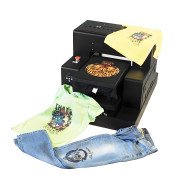
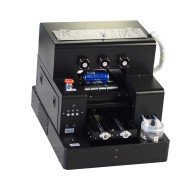
Many boutique brands began with limited runs, relying on bulk screen printing to keep costs down. But as they gained followers, the need for more designs and flexible production grew. Adopting DTG printers, like those available at GNFEI, owners found they could bring new designs to market faster and with greater detail. This shift turned their hobby-oriented setups into thriving online stores.
2. Custom Art & Fan Merchandise
Artists and creators wanted to replicate complex artwork on apparel without risking large inventory. With DTG, they could print limited editions or even one-of-a-kind pieces. For instance, a local artist collaborates with a small team to produce exclusive art tees. This model keeps inventory costs low and appeals to fans eager for unique merchandise, solidifying their brand identity.
3. Niche Fashion Labels
Some fashion startups initially relied heavily on standard production methods but later faced challenges scaling. When they incorporated DTG printing, they achieved unmatched flexibility, allowing them to produce seasonal collections on demand. This approach reduces waste and aligns with sustainability goals, an increasingly important factor for modern consumers.
How Switching to DTG Changed Business Dynamics
Switching from bulk production to DTG isn"t just about the printing method—it"s a fundamental business transformation. Here"s what these entrepreneurs have experienced:
- Enhanced Customer Experience: Customers get exactly what they want, when they want it. Custom options increase satisfaction and loyalty.
- Reduced Waste & Overproduction: Unlike bulk orders, DTG lets you print only what"s needed, cutting down on unsold inventory and excess stock.
- Faster Prototype Turnaround: Designers can test new ideas quickly without expensive setups, accelerating innovation.
- Improved Profit Margins: Lower setup costs and the ability to charge premium for custom designs lead to better profitability.
Here's a quick story: Sarah, who owns a personalized gift shop, shared that after switching to DTG, she could fulfill custom orders within hours. Her customer satisfaction soared, and she could offer new products without overstocking—saving her thousands annually.
Choosing the Right DTG Printer for Your Business
Making the leap to DTG requires selecting a reliable, quality machine. Factors to consider include:
- Print Quality & Color Depth: Look for printers with high resolution and vibrant color output.
- Speed & Productivity: Match the printer's speed to your order volume.
- Ease of Use & Maintenance: User-friendly interfaces reduce downtime and training costs.
- Compatibility & Support: Ensure the system works well with fabrics you plan to print on and that support services are available.
For detailed options and expert advice, visit GNFEI's DTG printer selection. They offer a range of solutions tailored to small businesses ready to grow with modern printing technology.
Taking the Next Step
Transitioning from bulk to DTG printing can seem daunting, but the benefits outweigh the challenges. With better product customization, faster turnaround, lower initial investment, and higher margins, many businesses are seeing a tangible impact. If you"re ready to explore DTG solutions, gather information on the best printers, plan your workflow, and consider how this move can redefine your growth potential.
FAQs
1. Is DTG printing suitable for small businesses?
Absolutely. DTG printers are ideal for small to medium-sized operations, especially those focusing on custom or low-volume orders.
2. How does DTG compare to traditional screen printing in terms of cost?
While initial investments may be similar, DTG reduces setup costs and allows for print-on-demand, making it more cost-effective for small runs.
3. Can DTG printers print on all types of fabrics?
DTG works best on 100% cotton or cotton-blend fabrics. Some printers can handle other materials, but compatibility varies.
4. What are the main maintenance requirements for DTG printers?
Regular cleaning, ink refilling, and occasional calibration are necessary. Many models are designed for easier maintenance.
5. How long does it take to start printing after purchasing a DTG machine?
Setup and training typically take a few days to a week, depending on the model and your familiarity with printing equipment.




Leave a Comment