
DTG Printer Production Models Built for Low-Risk Market Testing
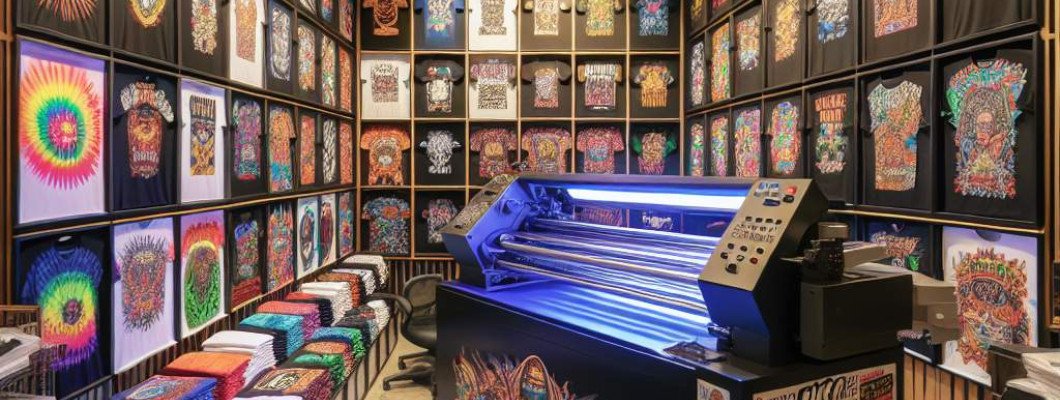
Are you struggling to find a reliable way to test new apparel designs without risking your entire budget? Do you want to enter the garment printing market with a lower initial investment while still ensuring quality and performance? If yes, then exploring DTG printer production models built for low-risk market testing might be the game-changer you need. These models are specifically designed for brands, entrepreneurs, and startups aiming to validate their products before scaling up production.
Imagine chatting with a fellow entrepreneur who started small with a dedicated DTG printer. She was able to produce limited runs of custom t-shirts, gauge customer interest, and refine her designs without the huge upfront costs of bulk manufacturing. Her success came from choosing the right low-risk production model that fit her needs. This story highlights the importance of selecting production models tailored for low-volume, flexible testing.
What Are DTG Printer Production Models for Low-Risk Market Testing?
Direct-to-Garment (DTG) printers designed for low-risk testing are optimized for small batch production, quick setup, and minimal initial investment. Unlike large-scale commercial printers meant for high-volume output, these models emphasize flexibility, affordability, and ease of use. They enable brands to evaluate market demand, test different designs, and gather customer feedback without overextending resources.
Typically, these printers have features such as:
- Compact size for easy workspace integration
- User-friendly interfaces for quick operation
- Lower purchase price compared to high-end industrial models
- Fast turnaround times for small projects
- Cost-effective ink consumption
Advantages of Using Low-Risk DTG Production Models
Choosing the right DTG printer for low-risk testing provides numerous benefits:
- Lower Capital Investment: You don"t need thousands of dollars upfront. These models are more affordable, making them ideal for startups or hobbyists.
- Flexibility: Test multiple designs, color schemes, and fabric types without committing to large inventories.
- Faster Time-to-Market: Produce sample runs quickly, validate ideas promptly, and adapt to market trends.
- Minimal Waste and Overstock: With small batches, you avoid excess inventory and leftover stock.
- Real-World Market Insights: Gather feedback on designs, pricing, and quality directly from consumers before scaling.
Choosing the Right Low-Risk DTG Printer
When selecting a model, consider these crucial factors:
- Print Area and Resolution: Ensure it can handle your typical garment sizes and offers sharp, high-quality prints.
- Ease of Use: Look for intuitive interfaces, automatic calibration, and minimal maintenance requirements.
- Speed: Find a balance between output speed and print quality based on your testing volume.
- Cost of Consumables: Inks, maintenance parts, and potential upgrades should be affordable over the long term.
- Support and Warranty: Reliable customer service and warranty coverage help avoid lengthy downtimes.
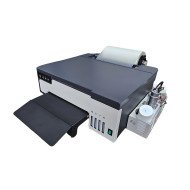
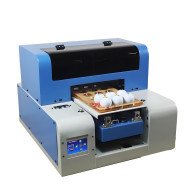
For entrepreneurs just starting, models like the A3 DTG Printer serve as ideal entry points. They combine size, affordability, and ease of operation, making them perfect for low-volume testing. You can produce prototypes, limited edition runs, or custom orders with confidence, expanding your reach step by step.
How to Maximize Your Low-Risk Testing with DTG Printers
Effective testing is not only about choosing the right equipment but also about strategy:
- Start Small: Begin with a handful of designs and target niche markets to monitor demand.
- Gather Feedback: Use social media, direct customer surveys, or in-person events to get insights on quality and appeal.
- Iterate Quickly: Use the flexibility of your DTG printer to make rapid changes based on feedback.
- Scale Gradually: As demand grows, invest in slightly larger or faster models to meet increasing orders.
- Maintain Quality: Consistently monitor prints for color fidelity, durability, and fabric compatibility.
Real User FAQs About DTG Printer Production Models for Market Testing
1. How affordable are DTG printers for testing purposes?
Entry-level DTG printers designed for low-risk market testing can range from $3,000 to $10,000, making them accessible for startups and small brands. They offer a good balance between cost and quality for small batch production.
2. Can these printers handle different fabric types?
Most low-risk DTG models are compatible with various fabrics such as cotton, polyester blends, and some natural fibers. Check the printer specifications for fabric compatibility to ensure it meets your product needs.
3. How scalable are low-risk production models?
While perfect for initial testing, these models can be upgraded or supplemented as your business grows. Many manufacturers offer larger or faster units that integrate seamlessly into your workflow.
4. What are common challenges when using DTG printers for market testing?
Common issues include color inconsistencies, limited print size, and maintenance needs. Regular calibration, quality ink, and proper fabric prep are critical to achieving consistent results.
5. Is it worth investing in a DTG printer for low-risk testing before mass manufacturing?
Absolutely. It minimizes financial risks, allows real-world validation of product ideas, and helps refine your offering—essential steps before large-scale production.
Embarking on your apparel journey with a DTG printer built for low-risk market testing can dramatically reduce your risks while enabling you to innovate rapidly. Whether you"re testing designs, exploring new fabrics, or understanding customer preferences, these models provide the perfect starting point for sustainable growth and success in the competitive apparel market.













Leave a Comment