
The Hidden Advantages of a DTG Printer in Short-Lifecycle Product Lines

Are you struggling to keep up with short-lived product lines and quick turnaround demands?
If your business involves fast-changing designs, limited editions, or seasonal items, then you know the pressure to produce customized products quickly. You might be missing out on a game-changing technology that can give you a real edge: a Direct-to-Garment (DTG) printer. But have you truly explored its hidden benefits for short-lifecycle products? Let"s dive into why a DTG printer could be your secret weapon in today"s rapid fashion and product cycles.
Why consider a DTG printer for short-lifecycle product lines?
Flexibility in Design Changes
One of the biggest advantages of a DTG printer is its ability to produce small batches with zero setup time. Unlike traditional printing methods, which require screens or costly setup, DTG printing lets you modify designs on the fly. Need to update a seasonal graphic or tweak a logo? You can do it within minutes. This is perfect for short-lifecycle products where time is money.
Cost-Effective Small Batch Production
Thinking about launching a limited edition or a promotional item? Cost can be a concern with traditional methods that rely on screens or molds. DTG printing doesn"t require expensive setup, so you save on initial costs. You only print what you need, reducing waste and inventory costs. This makes it ideal for product lines that only run for a short period.
Rapid Prototyping & Testing
Before you commit to mass production, testing different designs is critical. How many times have you wished you could see a product in real life before scaling up? DTG printers let you produce prototypes quickly and affordably. You can identify design flaws, gather customer feedback, and make quick adjustments for your next batch.
Enhanced Customization & Personalization
Today"s consumers crave unique and personalized products. DTG printing allows for on-demand customization without extra costs. This is a huge advantage for short product runs, like limited editions or personalized gifts, which often don"t justify large-scale printing setups. It"s a way to stand out in a crowded market with bespoke offerings.
Streamlined Workflow & Reduced Lead Times
Traditional printing methods involve lengthy processes — from creating screens to setup times — which delay production. A DTG printer simplifies the workflow. With digital files, you can go from design to finished product in a matter of hours. This agility helps you meet tight deadlines and respond quickly to market trends.
Real-world example: Quick turnaround for a trending design
Imagine chatting with a friend, Alex, who runs a small apparel brand. A sudden viral trend hits, and they want to capitalize fast. Instead of waiting days or weeks for screen printing setups, Alex uploads a new design directly to the DTG printer and produces a small batch overnight. The quick response gets their product to market faster, boosting sales. That"s the power of a DTG printer in short-lifecycle product lines.
What makes a DTG printer a smart investment?
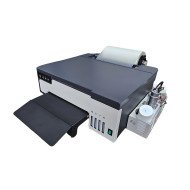
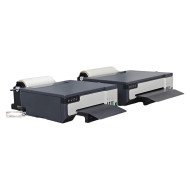
Investing in a DTG printer like the A3 DTG Printer means boosting your ability to adapt fast. It"s not just about printing; it"s about agility, cost-efficiency, and better customer engagement.
Here are some key reasons:
- Low upfront costs compared to traditional printing setups.
- High quality, vivid prints that rival screen printing.
- Ease of use — no advanced training needed.
- Scalability for small or medium orders.
- Opportunity for new revenue streams with personalized products.
FAQs about DTG printers and short-lifecycle product lines
Q1: How fast can a DTG printer produce a batch?
Most DTG printers can produce several shirts per hour, making them suitable for small to medium batches. Exact speed depends on the model and complexity of designs.
Q2: Is a DTG printer cost-effective for limited editions?
Absolutely. Since setup costs are minimal, producing limited editions or one-off designs is very economical. You only pay for what you print.
Q3: Can I print on different types of fabric?
Most DTG printers work well on 100% cotton and compatible blends. Always check your printer's specifications for optimal results on different fabrics.
Q4: Does DTG printing require special prep or post-treatment?
Some fabrics may need pretreatment for best results, but overall, the process is straightforward. Post-treatment like curing is quick and ensures durability.
Q5: How does a DTG printer impact my inventory management?
Since you can print small batches on demand, you reduce excess inventory. This means less waste, lower storage costs, and more flexibility to adapt to market trends.
Thinking about upgrading your short-lifecycle product line? A DTG printer like the A3 DTG Printer could be the difference-maker. It allows you to stay ahead of the curve, launch new designs fast, and meet customer demand with minimal waste. It"s not just a printer; it"s your competitive edge in a fast-moving market.














Leave a Comment