
Sustainability meets productivity when dtg printer workflows reduce waste in fashion production

Struggling to make your fashion production more sustainable without sacrificing productivity?
If you're in the fashion industry, you know the challenge. Customers want eco-friendly products, but at the same time, you need fast turnaround times and high-quality prints. The good news? DTG (Direct-to-Garment) printer workflows are changing the game. They help you reduce waste and boost efficiency — all while aligning with sustainability goals. Let"s explore how this technology can transform your production line.

Why Waste Happens in Traditional Fashion Printing
Common pitfalls in conventional workflows
- Overproduction of samples — leading to inventory waste.
- Excess ink usage — spilling or over-application increases material waste.
- Wrong color matching — mistakes that lead to reprints and discarded garments.
- Unnecessary setup changes — wasted time and materials.
Many of these issues stem from outdated processes that don"t prioritize waste reduction. But with advanced workflows, you can minimize these problems significantly.
How DTG Printer Workflows Reduce Waste in Fashion Production
1. Precise Printing and Ink Management
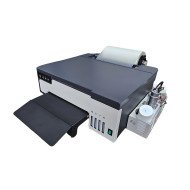
Modern DTG printers, like the A3 DTG Printer, enable high-precision printing. This means less ink is used per print, reducing excess ink and cleanup. It also means fewer reprints due to errors, saving both resources and time.
2. Digital Workflow Automation
Digitized workflows allow you to manage designs, color matching, and print settings from a single interface. This reduces setup errors and minimizes material waste. Plus, you can quickly adjust print runs for small batches, avoiding overproduction.
3. Fast Turnaround with On-Demand Printing
Instead of mass-producing and storing large inventories, on-demand printing means you only produce what"s needed. This minimizes leftover stock and reduces unsold items that might end up as waste.
4. Eco-Friendly Inks and Materials
Many DTG printers support water-based, eco-friendly inks that have minimal environmental impact. Using sustainable inks aligns your brand with eco-conscious consumers and reduces hazardous waste.
Implementing a Waste-Reducing Workflow: Practical Tips
Start with Design Optimization
- Use software that previews prints carefully—avoid unnecessary color layers.
- Batch similar designs to streamline setup and reduce color adjustments.
Optimize Machine Settings
- Fine-tune ink levels and print speed for efficiency.
- Use automatic batch sequencing to reduce downtime.
- Regularly maintain your machine to prevent errors and waste.
Train Your Team
- Ensure staff understands eco-friendly practices and waste reduction.
- Involve them in continuous improvement initiatives — every small change counts.
Monitor and Adjust
- Track waste metrics regularly.
- Adjust workflows and settings based on data — continuous improvement is key.
Real-World Example: A Small Brand"s Turnaround
A friend of mine runs a boutique fashion label. She switched to a DTG workflow — specifically the A3 DTG Printer. Initially, she struggled with waste and high ink costs. After refining her processes, she saw a 20% decrease in material waste within months. Plus, her production times improved, meaning she could fulfill orders faster and more sustainably. It"s a win-win.
Why Sustainability Meets Productivity with DTG Printing
With the right workflow, you get the best of both worlds — eco-friendly practices and high efficiency. This is the future of fashion production. Reducing waste doesn"t mean sacrificing quality or speed. It"s about working smarter and more responsibly.
FAQs About Reducing Waste with DTG Printer Workflows
1. How much waste can I expect to save with a DTG printer?
It varies depending on your current process, but many users report reduction of waste by up to 30-50% through optimized workflows and eco-friendly inks.
2. Is switching to DTG printing costly?
Initial setup does involve investment, but the long-term savings on materials, reduced waste, and quicker turnaround often outweigh the upfront costs. Check out our A3 DTG Printer for a reliable, cost-effective option.
3. Can I use eco-friendly inks with any DTG printer?
No, it depends on the model. But many modern DTG printers are compatible with water-based, eco-friendly inks designed for textile printing. Confirm the specifications before purchasing.
4. How do I ensure consistent quality while reducing waste?
Regular maintenance, staff training, and using automated workflows help maintain quality. Tracking print data also aids in continuous improvement.
5. How does reducing waste impact my brand image?
Consumers increasingly prefer sustainable brands. Showing your commitment to reducing waste enhances your reputation and can boost sales.














Leave a Comment