
Why a DTG Printer Is Redefining Speed and Flexibility in Custom Garment Printing
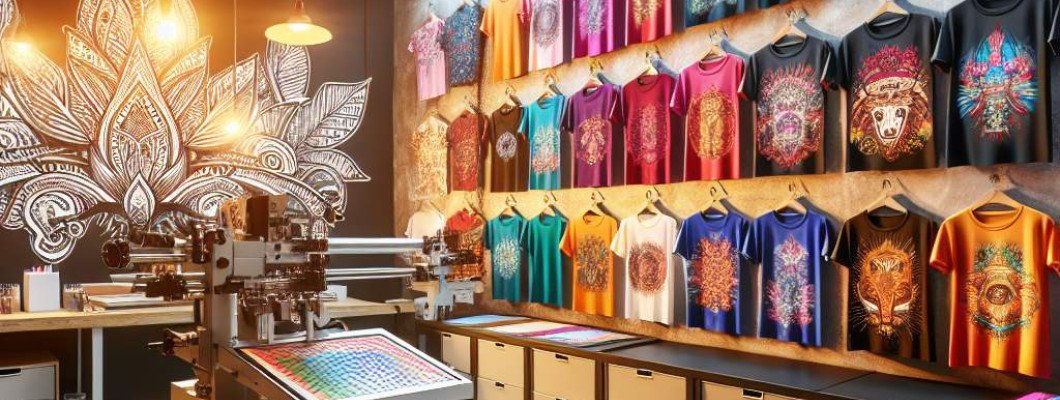
Struggling to keep up with the demand for custom garments? Wondering if there"s a faster, more flexible way to produce high-quality printed clothing? If so, you're not alone. Many apparel brands and small businesses are discovering that traditional printing methods often fall short when it comes to speed and versatility. That"s where a DTG printer steps in, transforming how we approach apparel customization.
If you've been considering an upgrade or just starting out, understanding why a DTG (Direct-to-Garment) printer is a game-changer can help you make smarter decisions. I"ve spoken to several shop owners, and what I hear repeatedly is how this technology is reaping benefits in time savings and creative freedom. It"s no wonder some are saying goodbye to old methods and welcoming a new era of printing efficiency.
What Makes a DTG Printer Stand Out in the Garment Printing World?
1. Speed That Keeps Up with Your Business
Traditional screen printing or heat transfer methods can be time-consuming, especially for small quantities or custom designs. With a DTG printer, you can produce each piece faster because it directly prints ink onto fabric. No need for screens or lengthy setup processes. Once you load your design, it"s just a matter of a few minutes before your shirt is ready. This speed allows you to handle last-minute orders or small batch runs without stress.
Think about a recent event where a customer wanted ten custom hoodies overnight. Instead of waiting days for screens to be prepared and printed, a DTG printer made it possible — dropping production time from days to hours.
2. Flexibility in Design and Material
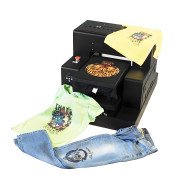
Unlike traditional methods that often limit you to certain fabrics or colors, DTG printers work on a wide range of textiles, including cotton, polyester blends, and more. Plus, you can print intricate designs with fine details, gradients, and vibrant colors that are difficult to achieve with other techniques. If your shop offers personalized prints, this flexibility means you can cater to more customer requests without compromise.
I remember chatting with a boutique owner who loved the ability to print detailed photos on shirts. They started offering custom photo printing, which was impossible with screen printing. That added a whole new revenue stream for them.
Why More Businesses Are Switching to DTG Technology
Rapid Turnaround & Reduced Setup Time
One of the biggest advantages is how quickly you can go from design to finished product. No more creating screens, waiting for ink to dry, or dealing with lengthy setup processes. This lets you focus on fulfilling orders faster, which means happier customers and higher profit margins.
Plus, quick setup is perfect for testing new designs or limited editions, making your business more agile.
Cost-Effective for Small Runs
Traditional printing becomes expensive when you're printing small quantities because of setup costs. DTG eliminates that barrier — no screens or large batches needed. You can print a single shirt or a small batch without significant upfront costs, making it ideal for personalized or limited-edition items. This flexibility is especially critical for startups and small shops looking to expand their product line.
High-Quality Results That Speak for Themselves
Don"t mistake speed for sacrifice. Modern DTG printers deliver stunning, durable prints that can rival or surpass traditional methods. You can print full-color photos, detailed graphics, and vibrant designs with excellent color accuracy and softness—no cracking or peeling over time.
This quality is instrumental in building a brand that customers trust and come back for.
Investing in a DTG Printer: What to Know?
Choosing the Right Model
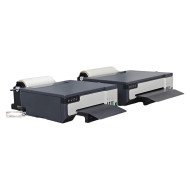
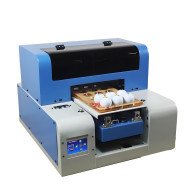
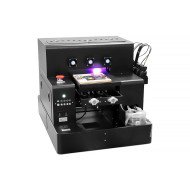
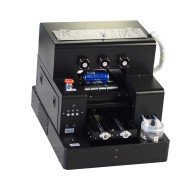
When shopping for a DTG printer, look for features like high resolution, fast print speeds, and compatibility with various fabrics. A popular choice is the A3 DTG Printer from GNFEI, which offers a good balance between speed, quality, and affordability.
Research reviews, compare specs, and consider your volume needs before making a decision.
Maintenance & Training
Like any technology, a DTG printer requires regular maintenance—cleaning print heads, calibrating, and updating software. Most manufacturers offer training and support, so factor that into your investment. The easier it is to learn, the faster you'll see results.
Some shops report that consistent maintenance keeps their printers running smoothly, minimizing downtime and maximizing productivity.
Real-World Examples of Success
One small business owner I spoke with saw a 50% increase in order capacity after getting a DTG printer. They started with a few custom T-shirts per week but now handle multiple small batches daily. Their turnaround time shrank dramatically, and their customer satisfaction improved as well.
Another shop added DTG printing to offer on-demand customization, enabling them to serve clients with urgent needs or personalized gifts. This flexibility opened up new sales channels that previously weren"t feasible.
FAQs About DTG Printing
Q1: How much does a good DTG printer cost?
Prices vary, but quality entry-level models start around $10,000. Premium machines with faster speeds and higher resolutions can cost $20,000 or more.
Q2: Is DTG ink durable for all types of garments?
Yes, when properly cured, DTG prints are quite durable, withstanding regular washing. Some inks are more suited for specific fabrics, so check compatibility with your materials.
Q3: How much space do I need for a DTG printer?
Most models fit comfortably in a small studio or shop. Expect at least 4x4 feet of space, plus room for handling garments and maintenance.
Q4: Can I print on dark fabrics with a DTG machine?
Absolutely. Modern DTG printers come with white ink options that enable vibrant prints on dark shirts, expanding your creative possibilities.
Q5: How does DTG printing compare to screen printing economically?
For small runs, DTG is more cost-effective because of zero setup costs. For large batch production, screen printing might still hold an advantage, but DTG excels in quick turnaround and customization.




Leave a Comment