
The Role of a DTG Printer in Sustainable and Waste-Reduced Fashion
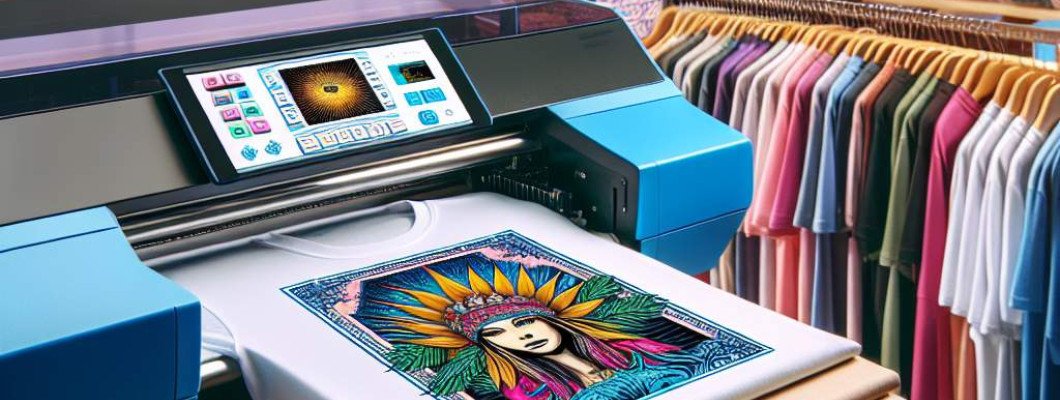
Ever Wondered How DTG Printing Is Changing Sustainable Fashion?
Have you ever thought about how clothes are made and how much waste gets generated in the process? If you"re into eco-friendly fashion or just tired of fast fashion"s environmental toll, you"ll want to know about the role of a DTG printer in making fashion more sustainable. This technology isn"t just about printing cool designs—it"s reshaping the industry to be cleaner, greener, and more waste-conscious. I"ve chatted with designers and small brands, and trust me, everyone"s looking for smarter ways to produce without harming the planet.
What"s a DTG Printer and Why Is It Important?
Understanding Direct-to-Garment Printing
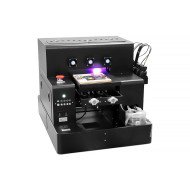
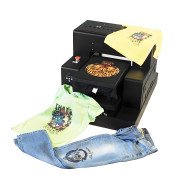
A DTG (Direct-to-Garment) printer is a digital textile printer that applies ink directly onto fabric, much like a large-scale inkjet printer. Unlike traditional screen printing—which often involves multiple screens, inks, and excess material—DTG printing is digital, precise, and efficient. This means you can print detailed designs quickly, with less waste and lower energy use.
The Benefits of Using a DTG Printer for Sustainability
- Lower Waste: Because it"s digital, there"s minimal excess ink and no need for multiple screens or lengthy setup processes. Waste across the production cycle drops significantly.
- On-Demand Production: Need a small batch or even a single custom shirt? DTG makes it easy. No more mass production of unsold items that end up in landfills.
- Eco-Friendly Inks: Many DTG printers use water-based, plant-based inks that are less toxic and more biodegradable.
- Fewer Chemicals: Traditional dyeing and printing can involve heavy chemical use. DTG"s digital process reduces chemical runoff and pollution.
How DTG Printers Promote Waste Reduction in Fashion
Eliminating Overproduction
One of the biggest issues in fast fashion is overproduction. Brands often make large batches just in case, leading to excess stock that may never sell. With DTG, brands can print only what they need, when they need it. This minimizes unsold items that contribute to waste and environmental damage.
Reducing Water Usage
Traditional textile printing and dyeing require large quantities of water. The dyeing process alone is responsible for huge water consumption, often leading to pollution. DTG printing reduces water use drastically because it involves minimal pre-treatment and uses water-based inks. That"s a win for sustainability.
Fostering Custom & Local Production
DTG enables small runs, custom designs, and even local production. This cuts down on shipping emissions and supports local economies. It also empowers designers and entrepreneurs to test new ideas without risking massive overstock or waste.
Using a DTG Printer in Your Eco-Conscious Fashion Brand
Start Small, Grow Sustainably
If you"re launching a brand or adding eco-friendly options, investing in a DTG printer is a smart move. It helps you produce small batches efficiently while reducing environmental impact. Plus, you can quickly adapt to trends or customer preferences—no waste or excess.
Choosing the Right Equipment
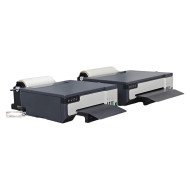
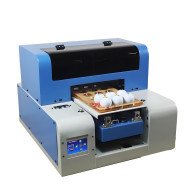
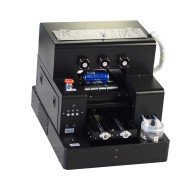
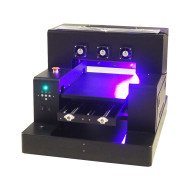
Look for a DTG printer that offers water-based inks, energy-efficient operation, and reliable performance. Check out products like A3 DTG Printer to see what features suit your needs. It"s an investment in both quality and sustainability.
Design Smarter for Sustainability
Designs that minimize color use, avoid excessive ink coverage, and are optimized for digital printing can further enhance your eco efforts. Less ink means less waste and lower environmental impact. Plus, smart design can appeal more to eco-minded customers.
What Real Users Say About DTG and Sustainability
- Emma, eco-friendly boutique owner: "Switching to DTG reduced our fabric waste by 70%. Customers love that our shirts are made on demand and with eco inks."
- James, small startup founder: "We can print custom orders quickly without bulk manufacturing. It"s a game-changer for sustainable fashion."
- Alice, designer: "Using a DTG printer allowed me to experiment with small runs and avoid excess stock. Less waste, more creativity."
- Mark, print shop operator: "Investing in eco-friendly DTG equipment has lowered our chemical usage and improved our energy efficiency."
- Sophia, freelance designer: "Digital printing opened doors for my small brand, helping me meet eco goals without sacrificing quality."
FAQs About DTG Printing & Sustainable Fashion
Is DTG printing truly eco-friendly?
Yes, especially when using water-based inks and energy-efficient printers. It minimizes waste, water use, and chemical runoff compared to traditional methods.
Can I print on different types of fabrics with a DTG?
Most DTG printers work best on cotton and natural fibers. Some can handle blends, but you should check specifications because fabric compatibility affects quality and sustainability.
How does DTG compare in cost to traditional printing?
Initial investment may be higher, but for small batches and on-demand production, costs are lower in the long run. Plus, reduced waste means savings overall.
What are the limitations of DTG printing for eco-conscious brands?
It"s best suited for cotton or natural fibers. Also, the technology still improves in speed for large runs, but for small, custom jobs—DTG excels in eco-friendliness.
How do I get started with a DTG printer?
Research different models, consider your budget, and prioritize eco-friendly features. Check out options like A3 DTG Printer to see what fits your needs.
Thinking about making your fashion line more sustainable? A DTG printer is a practical tool that reduces waste and helps you serve environmentally conscious customers. It"s all about smarter, greener production and delivering quality with less impact.





Leave a Comment