
What Makes a DTG Printer Profitable in Short-Run and One-Off Orders
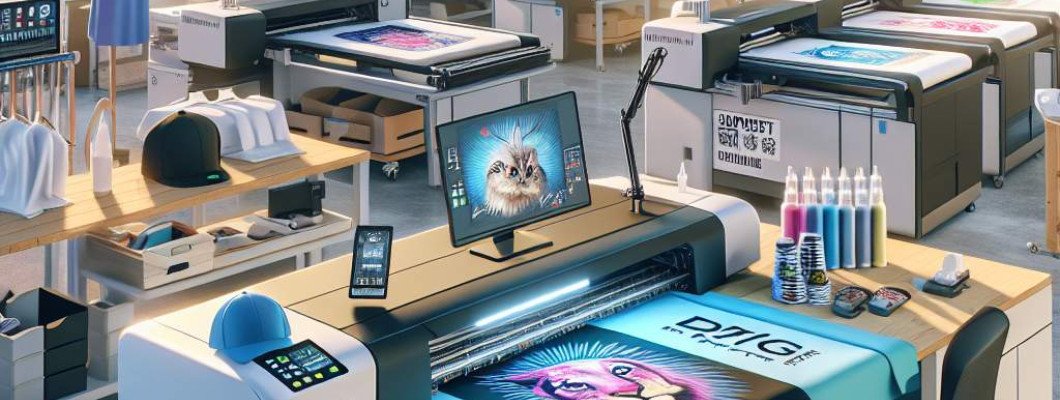
Struggling to Make a Profit with Your DTG Printer for Short-Run and One-Off Orders?
Ever wonder why some print shops thrive on small batches and single-piece custom orders, while others struggle to stay afloat? If you"ve invested in a DTG (Direct-to-Garment) printer and find yourself questioning its profitability for short runs, you"re not alone. I"ve been there—I know how challenging it can be to balance quality, speed, and costs while staying profitable. Today, let"s explore what really makes a DTG printer profitable when handling those quick-turn, one-off jobs.
Understanding the Profitability of DTG Printers in Short-Run and One-Off Orders
At its core, a DTG printer offers unparalleled flexibility for small orders. But that flexibility isn"t enough if you don"t optimize your setup. Profitability depends on a combination of equipment, process efficiency, and smart pricing. The key is to find that sweet spot where the cost of printing remains low, yet your margins stay healthy.
Let me walk you through some essentials that can turn your DTG setup into a profitable machine for short-run jobs.
Quality Equipment is a Must
Invest in a Reliable DTG Printer
First off, the right equipment makes all the difference. For short runs and one-offs, your printer should be reliable, easy to operate, and capable of producing high-quality prints consistently. If you"re stuck with an outdated or under-performing machine, it"s going to eat into your profits through waste, reprints, or delays.
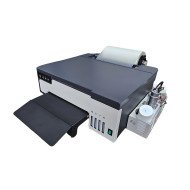
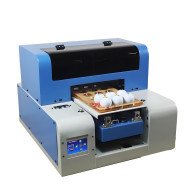
Look into models like A3 DTG Printer—they are designed specifically for smaller prints, offering precision and speed. High-quality inks and pre-treatment systems also reduce errors and improve output, which saves money long-term.
Streamline Your Workflow
Optimizing Production for Short-Run Orders
- Simplify Pre-Treatment: Use automated pre-treatment machines or spray booths to save time and ensure consistent application.
- Batch Your Jobs: While one-off jobs are individual, grouping similar designs can speed up your workflow and reduce material waste.
- Invest in Easy-to-Use Software: Software like embroidery or design programs that integrate well with your printer reduce setup time and errors.
Talking to a friend recently, I learned that automating pre-treatment cut his job prep time in half. That extra time translated directly into more jobs per day and, ultimately, bigger profits.
Control Costs and Material Management
Best Practices to Maximize Margins
- Material Sourcing: Shop around for the best quality and price on blank garments and inks—bulk buying can significantly cut costs.
- Monitor Ink Usage: Keep an eye on ink consumption and avoid over-application, which increases expenses without improving quality.
- Minimize Waste: Use test prints wisely and optimize your print layout to fit more jobs per run.
One user I know saved over 20% on ink costs by calibrating her printer and using test sheets more efficiently. Small adjustments can lead to big savings over time.
Pricing Strategies for Short-Run and One-Off Orders
Setting a Profitable Price
Price your jobs right by considering production costs, time, and market demand. Since these jobs often have a higher per-unit profit potential, don"t undervalue your work. A good rule of thumb is to factor in:
- Materials and ink costs
- Operator time
- Overhead expenses (utilities, maintenance)
- Profit margin (aim for 30-50%) depending on your market
For example, if a shirt costs you $10 in materials and costs 10 minutes of production time, setting a price of $30-$40 can give you a healthy margin on small orders. Remember, premium quality can also justify higher pricing.
Handling Customer Expectations and Offering Value
Building Customer Loyalty
Clear communication is critical. Educate clients on turnaround times and quality standards so they understand what to expect. Providing fast, reliable service makes it easier to command better prices and retain repeat customers.
Offering options like rush processing or premium inks can also boost your margins. A loyal customer list means ongoing short-run sales, covering your costs comfortably and increasing overall profitability.
FAQs about Making a DTG Printer Profitable for Short-Run Orders
1. How much can I realistically earn per month from small orders?
This depends on your setup and volume. Many small shops make anywhere from $1,500 to $5,000 profit monthly after expenses by focusing on short-run and one-off printing.
2. What"s the typical turnaround time for short-run DTG jobs?
Most jobs can be completed within 24 to 48 hours, especially if workflows are optimized and pre-treatment is automated.
3. How do I handle pricing for custom designs?
Factor in design complexity, color count, and printing time. Always aim for a margin that covers your costs and reflects your expertise.
4. Are there specific inks or pre-treatment solutions recommended for profitability?
Yes, high-quality, cost-effective inks and pre-treatment products that require less application volume can reduce costs and improve durability, boosting customer satisfaction.
5. What"s the biggest mistake to avoid with short-run DTG printing?
Underestimating costs or setting prices too low. Always know your break-even point and price your jobs accordingly to maintain healthy margins.













Leave a Comment