
What Designers Need to Know About Fabric Compatibility and DTG Printer Performance

Struggling to get vibrant, durable prints on different fabrics? Wondering why some textiles produce better results than others?
When it comes to designing for apparel or textiles, understanding fabric compatibility is crucial. As a designer, you want your ideas to look fantastic on every piece you create. But the truth is, not all fabrics respond the same way to direct-to-garment (DTG) printing. I"ve been there – trying to make a design pop on a tricky textile and feeling frustrated because the results just don"t match the vision in your head.

Why Fabric Compatibility Matters in DTG Printing
Fabric compatibility impacts everything – from print quality and color vibrancy to durability and washability. If you"re not careful with fabric choices, your designs may fade, crack, or just not look as good as you intended. This makes understanding fabric types and how they interact with your DTG printer essential.
Think about it this way: printing on 100% cotton is straightforward and yields excellent results most of the time. But when you switch to blends, polyesters, or specialty fabrics, things get complicated. Each material has a unique composition that affects ink absorption and curing. So, knowing what works best with your DTG printer can save you time, cost, and client disappointment.
How DTG Printer Performance Influences Fabric Results
Consistency and Precision in Printing
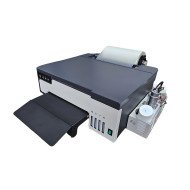
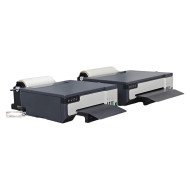
A high-performance DTG printer like the A3 DTG Printer offers consistent print quality, even on challenging fabrics. When your printer is well-maintained and calibrated, you get accurate color reproduction and clear details every time. But if the printer struggles with certain textiles, the results can be unpredictable, leading to ghosting, color bleeding, or uneven ink coverage.
Ink Compatibility and Curing
The performance also depends on ink type and how well it adheres to different fabrics. Some inks are formulated specifically for cotton, while others work better on blends or man-made fibers. Proper curing is key—unfinished inks may wash out or crack over time. Pay attention to your printer"s settings and the type of ink used; knowing what works with the fabric ensures durability and vibrant results.
Selecting the Right Fabric for Your Design Goals
Know Your Fabric Types
- Cotton: Classic choice, excellent color vibrancy, soft feel, easy to print on.
- Polyester: Requires special inks or pretreatments; designs tend to be more vibrant but may crack if not printed correctly.
- Blends (Cotton/Polyester): Popular in apparel, but can be tricky; test first before large runs.
- Special fabrics (Silk, Satin): Need specific preparation, higher skill, and sometimes different printing methods.
It"s smart to keep a fabric testing sheet. Try printing small samples on different textiles, then evaluate color, feel, and durability before committing to large batches.
How to Prepare Fabrics for Printing
- Pre-treat fabrics: Especially important for dark or synthetic fabrics. Pre-treatment ensures proper ink adhesion and vibrancy.
- Wash and dry: Wash new textiles to remove sizing or chemicals that could interfere with ink absorption.
- Test printing: Always do test runs to determine optimal settings and ink coverage.
Getting fabric ready can mean the difference between a dull, faded image and a sharp, durable print. Plus, proper preparation makes your workflow smoother and less wasteful.
Optimizing Your DTG Printing Process for Different Fabrics
Printer Settings and Maintenance
This is the backbone of quality output. Regular calibration tailored to specific fabric types means consistent results. Use the appropriate ink settings, including color profiles and pass counts, to suit each material. Keep your print heads clean and perform routine maintenance; otherwise, ink clogs can cause color inconsistencies or missing parts of the design.
Adjusting for Fabric Thickness and Texture
Some fabrics are thick or textured, which can affect ink absorption and curing. For dense or textured fabrics, increase the print head height or pass count for better coverage. You might also use a thicker pre-treatment layer. Testing small samples first allows you to find that sweet spot where your design looks perfect and adhesive strength remains high.
Working with Clients: Communicating Fabric Choices and Expectations
Be transparent about what fabrics yield the best print results. Share samples showing different textures and finishes. Educate clients on why certain textiles might cost a bit more or have different care instructions. This transparency ensures they"re happy with the final product and reduces misunderstandings. Having a sample library ready helps with quick decisions and smooths the process.
Final tips for mastering fabric compatibility in DTG printing
- Always test new fabrics: Don"t rely on assumptions. Print small run samples first.
- Stay updated with ink and printer technology: Manufacturers often release new formulations optimized for more fabric types.
- Invest in quality pre-treatment solutions: This step often makes or breaks print quality on dark or synthetic fabrics.
- Keep detailed records: Document settings, fabrics, inks, and outcomes to repeat successful results easily.
- Build relationships with material suppliers: They can provide insights into fabric quality, best uses, and testing recommendations.
When you understand how fabric compatibility and your printer performance interact, you gain a huge advantage. It"s all about matching the right textile with the right ink, settings, and preparation. Reliable results lead to happy clients and a stronger reputation for your brand. Remember, the more you test and learn, the better your prints will become. And if you"re looking for a powerful printer that handles a range of fabrics with ease, check out the A3 DTG Printer; it"s built for precision and durability.
Frequently Asked Questions
1. Can DTG printing be done on all fabric types?
Not all fabrics are suitable for DTG. Cotton works best, while synthetic fabrics and blends may require special pretreatments or inks. Testing is crucial.
2. How do I know if my fabric needs pre-treatment?
If printing on dark fabrics or synthetics, pre-treatment helps inks adhere and produces vibrant colors. It also improves wash durability.
3. What are the most common mistakes in fabric compatibility?
Using incompatible inks, skipping fabric tests, ignoring pre-treatment, and not calibrating the printer are key mistakes to avoid.
4. How do I improve print durability on different fabrics?
Use the correct ink for each fabric, perform proper curing, and follow recommended post-print processing steps like heat setting.
5. Is there a way to print on stretchy or textured fabrics?
Yes, but it requires specialized settings, thicker pre-treatment, and sometimes equipment adjustments. Testing samples first is essential.














Leave a Comment