
DTG Printer Performance Myths That Hold Growing Print Shops Back
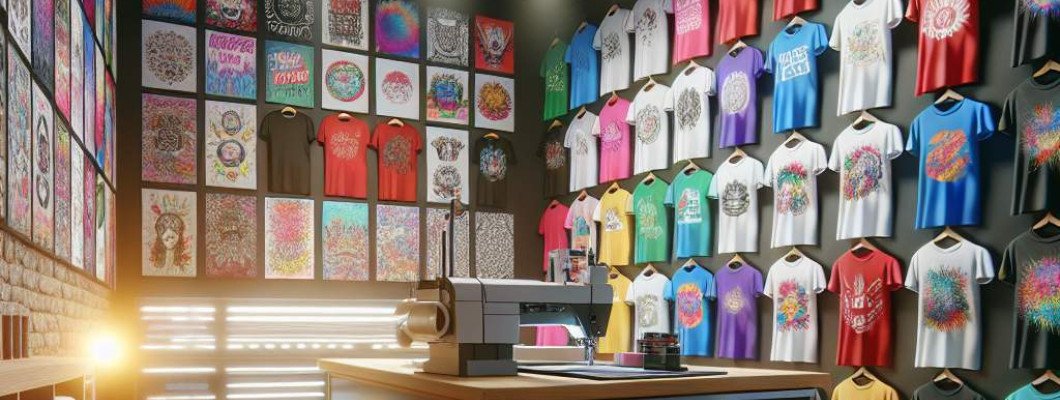
Struggling to Boost Your Print Shop"s Performance with DTG Printers?
If you're running a growing print shop and still battling myths about DTG (Direct-to-Garment) printers, you"re not alone. Maybe you"ve heard that these machines can"t handle high-volume orders, or that the quality drops after a few months. Sound familiar? Fact is, many of these misconceptions are holding back serious growth.
I"ve talked with shop owners who were hesitant to fully embrace DTG because of these myths. Once we cleared things up, they started boosting their production and profits. So, if you"re ready to leave myths behind and unlock your printer"s true potential, let"s dive into the most common misconceptions and what you need to know.
Debunking the Biggest Myths About DTG Performance
Myth 1: DTG Printers Are Only Good for Small Orders
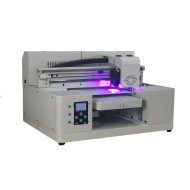
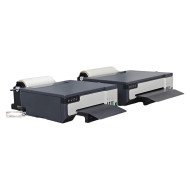
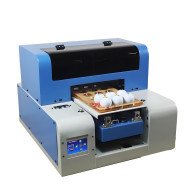
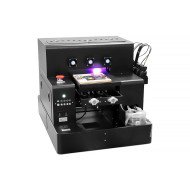
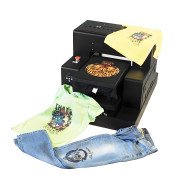
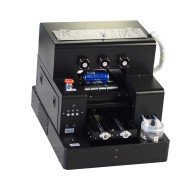
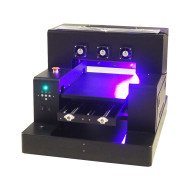
This is a classic. Many believe DTG is only suited for small batches or one-off prints. But that couldn"t be farther from the truth. Modern DTG printers, especially models like the A3 DTG Printer, can handle large volumes just as efficiently as traditional screen printing presses.
It all depends on the setup and workflow. If you optimize your pre-treatment, ink management, and curing process, you can produce hundreds of garments in a day. The key is understanding your machine"s specs and pairing it with the right processes.
Myth 2: DTG Quality Deteriorates Fast
Many operators worry that after a few months, the print quality diminishes. Again, a myth. Proper maintenance and using quality consumables keep your printer performing at its best. Think of it like a car — regular oil changes and tune-ups make all the difference.
What"s critical? Regularly cleaning your print heads, using genuine inks, and calibrating your machine. We"ve seen shops where this simple routine keeps print quality consistent for years. It"s not magic — just good habits.
Myth 3: DTG is Too Slow for High-Volume Orders
If you"re timing your production based on old perceptions, you might think DTG can"t keep up. But with the latest models, like the A3 DTG printer, throughput has skyrocketed. Plus, automation features mean less manual intervention.
- Batch printing: Print multiple shirts in one go.
- Efficient workflows: Pre-treatment and curing can now be streamlined.
- Faster inks: New formulations dry quicker without compromising vibrancy or durability.
When set up right, you can produce hundreds of shirts daily, saving time and increasing profit margins.
Myth 4: DTG Can"t Match Screen Printing in Durability
Some say DTG prints fade faster or peel over time. Well, that"s true if you skip proper curing or use inferior inks. But modern DTG printing with the right pre-treatment, high-quality inks, and curing methods can produce prints that last as long as screen prints.
The secret is a consistent process. Regularly testing washes and quality checks help you maintain durability. Don"t fall into the trap of thinking DTG"s quality is inherently inferior — it"s about how you handle it.
Getting the Most Out of Your DTG Printer
Focus on Quality Control
- Use genuine, high-quality inks.
- Maintain your print heads regularly.
- Calibrate your machine for consistent quality.
Streamline Your Workflow
- Pre-treat garments efficiently — invest in a good pre-treatment machine.
- Optimize curing with high-quality flash units or conveyor dryers.
- Batch your runs where possible to save time.
Invest in the Right Equipment
Choosing a high-performance printer like the A3 DTG Printer ensures you're set up for growth. These machines are built for speed, quality, and reliability — treating your shop as a serious player in the market.
Real Talk: A Friend"s Experience
I remember chatting with a shop owner who was skeptical about switching to DTG for high-volume work. They"d invested years in screen printing, fearing DTG wouldn"t keep up. But once they upgraded to a newer model and followed best practices, their production doubled in a matter of months. They couldn"t believe how much easier it was to meet tight deadlines with fewer headaches.
That story is more common than you think. The right tools and knowledge can truly transform your business. Don"t let myths limit your growth.
FAQs About DTG Printer Performance
1. How often should I clean my DTG printer?
Ideally, after each print run, and more thoroughly every 50-100 prints, depending on usage. Regular cleaning maintains optimal print head performance.
2. Can I do high-volume production with a desktop DTG printer?
Yes, if your workflow is optimized; however, for very large volumes, investing in industrial-grade models like the A3 DTG will maximize efficiency.
3. What inks are best for durable prints?
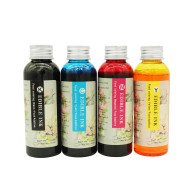
Genuine, water-based pigment inks designed for textiles ensure vibrant, lasting results. Quality inks prevent fading and cracking over time.
4. How do I prevent color inconsistencies?
Calibrate your printer regularly, pre-treat garments consistently, and perform test prints with each new batch of ink or material.
5. Should I upgrade my DTG printer or stick with my current one?
If your current machine is causing delays, poor quality, or high maintenance costs, upgrading can be a game-changer. Modern models offer better speed, quality, and reliability.
Want to see what a top-tier DTG printer can do? Check out the A3 DTG Printer — designed for serious growth.



Leave a Comment