
From Wood to Acrylic: Best Materials to Print with UV Flatbed Printers
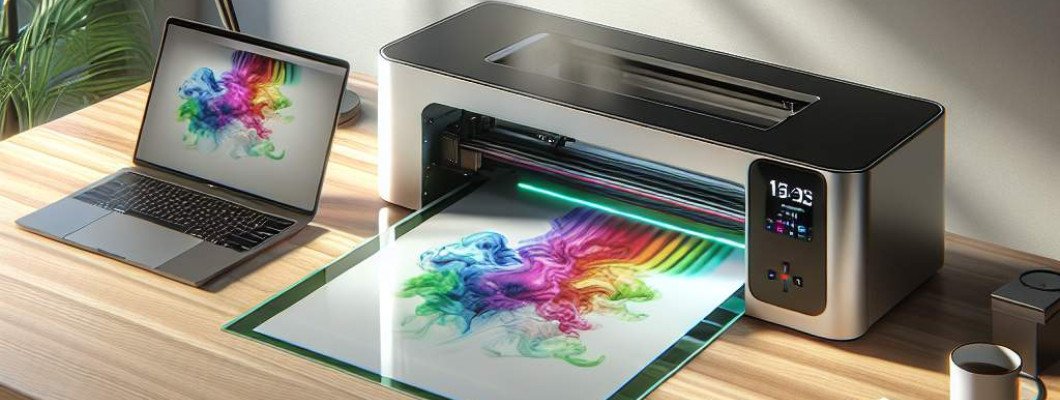
UV flatbed printing has revolutionized the world of graphics and signage, offering unparalleled flexibility and vibrant, durable results on a wide range of materials. Whether you're creating eye-catching displays, personalized gifts, or custom industrial components, choosing the right substrate is crucial to achieving the best quality and longevity. From traditional materials like wood to modern options such as acrylic, understanding the strengths and applications of each can help you optimize your printing projects with UV flatbed technology.
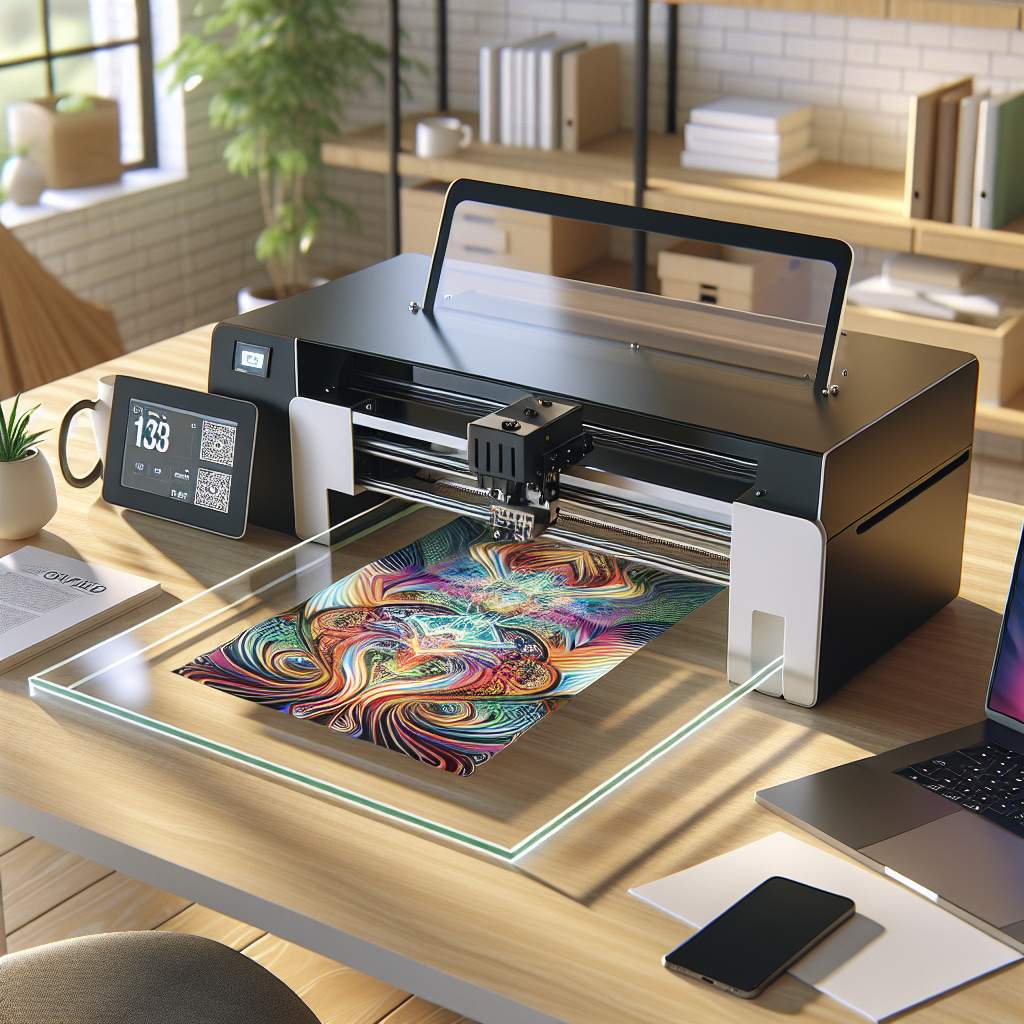
One of the most popular and versatile materials for UV flatbed printing is wood. Natural wood surfaces bring warmth, texture, and a classic aesthetic that enhances the visual appeal of various designs. With UV printers, you can print directly onto wooden panels, plywood, or even reclaimed timber, making each piece unique due to the natural grain variations. This capability makes wood ideal for creating premium signage, personalized home decor, and artistic pieces that demand a rustic or organic look. Moreover, UV printing on wood is highly durable, with inks resistant to UV degradation, ensuring your artwork remains vibrant over time.
Next on the list is acrylic, a modern and sleek material favored for high-end signage, retail displays, and art installations. Acrylic's smooth, glossy surface produces sharp, vibrant images with excellent color clarity and contrast. UV flatbed printers excel at printing directly onto clear or coloured acrylic sheets, opening up creative possibilities that include backlit displays and complex multi-layered designs. The ability to print detailed graphics and photographic images makes acrylic a top choice for professional-looking signage that truly stands out. Its resistance to weathering and UV rays also ensures longevity in outdoor applications, making it a cost-effective investment.
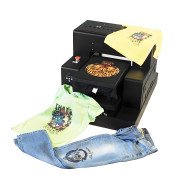
Beyond wood and acrylic, UV flatbed printers can handle a diverse array of substrates, each offering unique benefits. For example, glass provides a premium look for decorative and commercial applications, while metals such as aluminium are suitable for industrial branding and sleek, modern aesthetics. Additionally, materials like foam boards, PVC, ceramic tiles, and leather can be printed on directly, enabling customization of practically any surface. The key is to consider the end-use environment—indoors or outdoors—and select materials with appropriate durability and aesthetic qualities.
When selecting materials for UV printing, it's essential to understand the printing process"s specifics. UV inks cure instantly upon exposure to ultraviolet light, bonding tightly with the substrate. This means you can print on complex shaped surfaces or uneven textures, expanding design possibilities that traditional printing methods cannot match. For instance, printing on uneven wood panels or curved acrylic surfaces becomes achievable without sacrificing image quality. Additionally, UV printing doesn't require special pre-treatment for most materials, saving time and reducing costs. The result is crisp, vibrant images with excellent adhesion and resistance to scratches, chemicals, and environmental factors.
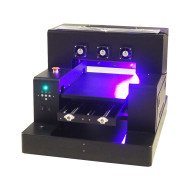
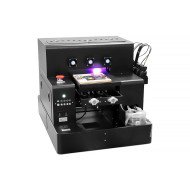
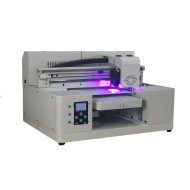
For businesses looking to diversify their product offerings, experimenting with different materials can be a game-changer. Custom signage, personalized gifts, wall art, and industrial prototypes are just some of the areas benefiting from UV flatbed printing capabilities. With the right choice of substrate, you can create products that are both visually appealing and durable, meeting client demands for quality and longevity. To explore the wide range of possibilities, consider the capabilities of specialized printers like the A4 UV Printer Cylinder Printer Phone Case Printer, which offers advanced features tailored for diverse materials and detailed designs.
In summary, selecting the best materials for UV flatbed printing hinges on your project goals, durability needs, and aesthetic preferences. Wood provides warmth and character, ideal for rustic or artistic applications. Acrylic offers clarity, gloss, and a luxurious finish suited for high-end signage. Other substrates like glass, metal, and composite materials broaden your creative scope, allowing you to produce unique, attention-grabbing visuals. Always consider the environmental exposure, substrate compatibility, and the desired look when choosing materials to ensure your finished product meets your expectations. With ongoing innovations in UV printing technology and materials, the possibilities for customization and creativity keep expanding, empowering your business to stand out in a competitive marketplace.










Leave a Comment