
Home studios and pop-up shops scaling faster thanks to a3 dtg printer designed for compact workflows
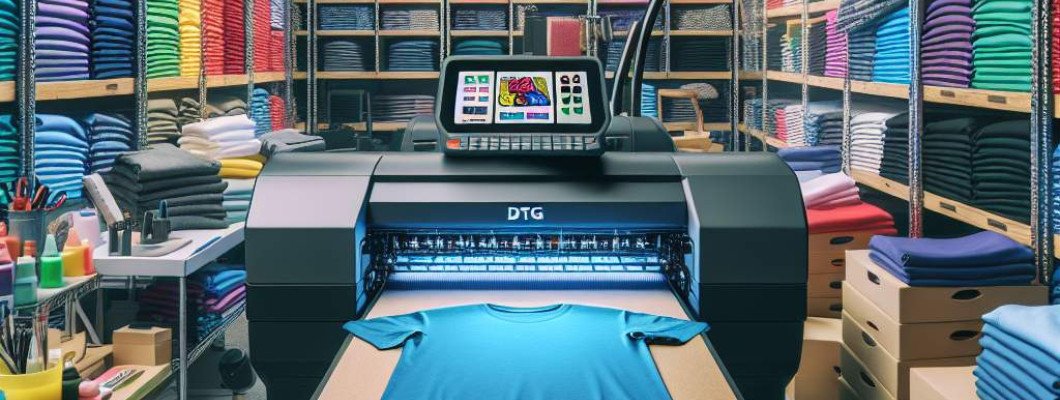
Are You Struggling to Scale Your Small Printing Business Efficiently?
Many entrepreneurs and hobbyists running home studios or pop-up shops find themselves limited by their equipment. They want to grow, create more designs quickly, and meet customer demands without sacrificing quality or breaking the bank. If that sounds familiar, then learning about the benefits of an A3 DTG printer designed for compact workflows could be a game-changer for your business.
Understanding the Challenges of Small-Scale Printing Spaces
Running a successful printing business from a small space involves juggling multiple factors. You need equipment that fits comfortably, is easy to operate, and allows you to produce high-quality prints efficiently. Traditional large-format printers often require extensive setup, maintenance, and space, which can hinder your ability to scale quickly. Moreover, working with larger printers may lead to longer turnaround times and increased costs, making it harder to serve the growing demand for custom apparel or merchandise.
The Rise of A3 DTG Printers for Compact Workflows
Enter the A3 DTG printer. Designed specifically for small spaces, these printers pack powerful features into a compact form, enabling home studios and pop-up shops to expand their offerings without major infrastructure investments. They are built for speed, quality, and ease of use, making them perfect for entrepreneurs looking to upgrade their workflow while maintaining a small footprint.
Key Benefits of Using an A3 DTG Printer in Small Spaces
- Space-Saving Design: Fits comfortably on a small desk or corner, maximizing limited spaces.
- High-Quality Prints: Produces vibrant, detailed images suitable for fashion, accessories, and personalized products.
- Fast Turnaround Times: Allows quick production of multiple items, ideal for pop-up shops or on-demand ordering.
- Easy to Operate: User-friendly interface reduces training time, letting you focus on creativity and sales.
- Lower Operating Costs: More affordable maintenance and consumables, which is vital for small budgets.
- Versatility: Suitable for various fabrics and materials, especially on light-colored apparel.
Real-Life Example: A Small Pop-Up Shop"s Transformation
Imagine Sarah, a craft enthusiast who started a small pop-up shop selling custom t-shirts at local markets. She initially used a large, cumbersome printer that took up half her booth space. It slowed her down, making her unable to keep up with customer demand. After upgrading to an A3 DTG printer, she noticed immediate improvements. Her workflow became faster, setup times reduced, and her output quality improved significantly. She could produce more designs on-site, accept last-minute orders, and even introduce new products, all within her limited space. Sarah"s sales doubled within months, and her pop-up shop became a local favorite. This is a typical scenario for many small business owners leveraging compact digital printing solutions.
How to Choose the Right A3 DTG Printer for Your Business
Not all A3 DTG printers are created equal. To ensure you select the best model for your needs, consider the following:
- Print quality: Look for high-resolution capabilities and vibrant color outputs.
- Speed: Evaluate the number of prints per hour to match your expected demand.
- Ease of maintenance: Choose models with straightforward cleaning and ink refill processes, especially important for small teams.
- Compatibility: Ensure the printer works well with diverse fabrics and garments.
- Support and warranty: Reliable customer service can save headaches during busy periods.
Integrating an A3 DTG Printer into Your Workflow
Adopting a new printer can seem daunting. However, with proper integration, it becomes a seamless part of your creative process:
- Design Preparation: Use graphic software to prepare your artwork for printing.
- Pre-treatment: Depending on the fabric, apply pre-treatment solutions for optimal results.
- Printing: Load garments easily onto the printer, and let it do the work.
- Post-Processing: Cure and set the print as needed, then package or display the product.
All these steps are simplified with modern A3 DTG printers, which are designed for quick, reliable operation that saves you time and effort. As an example, advanced features like automatic calibration and ink-level monitoring make printing even more straightforward.
Maximizing Business Growth with Compact Digital Printing Solutions
By choosing an A3 DTG printer, your small business can truly scale without the constraints of large, expensive equipment. You can add new designs in minutes, fulfill on-demand orders, and experiment with different fabrics or products. This agility allows you to respond quickly to market trends and customer preferences, giving you a competitive advantage. Furthermore, the small footprint means you can set up a mobile printing station, attend markets, or run a pop-up shop with ease—all while maintaining a professional, high-quality output.
Tips for Maintaining Your A3 DTG Printer to Ensure Long-Term Performance
- Regular cleaning: Clean print heads and other components to prevent clogs and ensure consistent quality.
- Use quality consumables: Replace inks and pre-treatment solutions as recommended by the manufacturer.
- Update firmware: Keep your printer"s software up-to-date for compatibility and new features.
- Proper storage: Store inks and spare parts in a cool, dry place to extend their lifespan.
- Scheduled maintenance: Follow the manufacturer"s service schedule for optimal operation.
Growth Opportunities for Small Businesses with a3 DTG Technology
The potential for growth is significant. Whether you"re printing custom apparel for local sports teams, personalized gifts, or niche fashion lines, an A3 DTG printer opens new doors. As your confidence and order volume increase, you can expand your product range—think hoodies, tote bags, and even direct-to-garment patches. Additionally, leveraging online platforms and social media for marketing means your small setup can reach audiences worldwide, boosting sales opportunities beyond your local market.
FAQs About A3 DTG Printers and Small-Scale Digital Printing
Q1: Is an A3 DTG printer suitable for beginners?
Yes, most models are designed with user-friendly interfaces, making them accessible even for those new to digital printing. Proper training and basic knowledge of garment printing will help you get started quickly.
Q2: Can I print on different fabric types with an A3 DTG printer?
While primarily suited for light-colored fabrics like cotton or polyester blends, some models can handle other materials with proper pre-treatment. Always check compatibility before purchasing.
Q3: How cost-effective is the A3 DTG printing process for a small business?
Compared to traditional screen printing, DTG offers lower setup costs, especially for small runs or custom items. It provides a good balance between quality and expense, making it ideal for small-scale operations.
Q4: What maintenance is required for an A3 DTG printer?
Routine cleaning of print heads, timely replacement of inks and consumables, and software updates are essential for consistent results. Most models come with guidelines to simplify upkeep.
Q5: How can I ensure high print quality consistently?
Follow manufacturer instructions for pre-treatment, calibration, and maintenance. Using high-quality inks and fabrics also plays a significant role in achieving professional results.
Starting or expanding your small printing business? An A3 DTG printer designed for compact workflows could be your best investment. It blends efficiency, quality, and mobility, enabling you to grow faster from your home studio or pop-up setup. Explore options today and transform your creative ideas into profitable products.
















Leave a Comment