
Ultimate Guide to Choosing the Perfect DTG and T-Shirt Printer
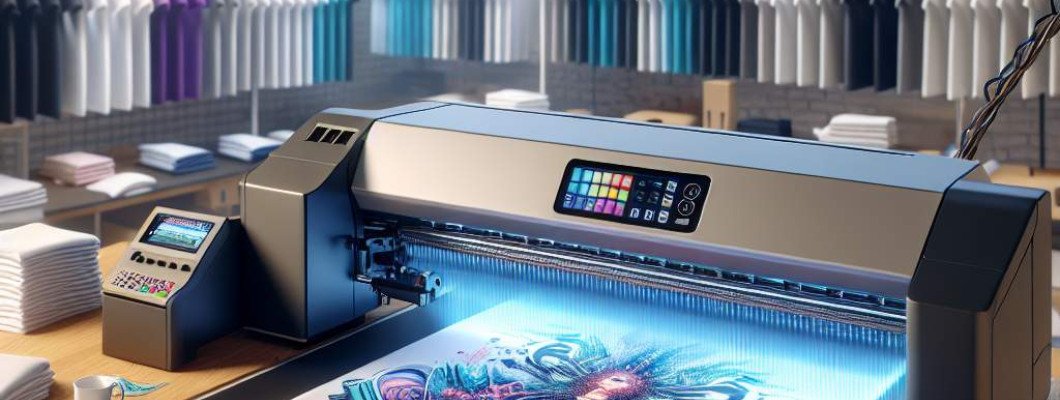
Have you ever wondered how brands consistently print vibrant, high-quality designs on their apparel? Maybe you"ve tried DIY methods but felt limited in quality or efficiency? If so, you"re not alone. Many entrepreneurs and hobbyists face the challenge of choosing the right equipment to bring their creative ideas to life. When it comes to producing custom t-shirts or other garments, the key lies in selecting the right DTG printer and t-shirt printer.
Understanding what makes a DTG (Direct-to-Garment) printer different from traditional screen printing is essential. DTG printers use advanced inkjet technology to print directly onto fabric, creating detailed, full-color designs without the need for stencils or screens. They"re ideal for small batches, personalized items, or complex artwork. Conversely, a dedicated t-shirt printer often refers to a broad category of equipment designed specifically for customizing garments, which can include both DTG and other technologies like sublimation or heat press machines.
What Should You Look for in a DTG or T-Shirt Printer?
Choosing the right equipment isn"t just about price. It"s about understanding your goals, workflow, and level of investment. Here are crucial factors to consider:
- Print quality: Look for printers with high resolution and excellent color accuracy. A quality DTG printer should print crisp details and vibrant colors with minimal setup.
- Ease of use: If you're new, opt for a user-friendly interface with straightforward controls and minimal maintenance requirements.
- Speed and capacity: Consider how many shirts you need to print daily. Some printers handle small runs efficiently, while others are built for high-volume production.
- Compatibility with fabrics: Ensure the printer supports the types of garments you plan to print on, whether cotton, blends, or polyesters.
- Cost and budget: Beyond the initial purchase, factor in ink, maintenance, and parts replacement. A reliable printer might cost more upfront but save you money long-term.
- Brand reputation and support: Choose equipment from reputable manufacturers who offer good customer support and troubleshooting assistance.
Why DTG Printers Are a Game-Changer for Custom Apparel
For small business owners or DIY enthusiasts, a DTG printer offers significant advantages:
- High-quality, detailed printing: Achieve photo-realistic images and intricate designs on garments.
- Fast turnaround: Print on demand without the lengthy setup times associated with screen printing.
- Cost-effective for small runs: Avoid bulk orders and create one-off designs easily.
- Eco-friendly: Uses water-based inks that are safe and environmentally friendly.
To get the best results, ensure your printer is properly calibrated and that you use high-quality inks and garments. Proper pretreatment of fabrics also plays a critical role in achieving durable, vibrant prints. Many users report that investing in a DTG printer transformed their small business, allowing them to meet customer demands quickly and with superior quality.
Options for Different Budgets and Needs
If you"re just starting out, entry-level models like the Epson F2100 or Brother GTX offer excellent quality at accessible prices. For larger operations, industrial-grade printers from brands like Kornit or Ricoh provide higher throughput and durability. Remember, a top-quality t-shirt printer doesn"t always mean the most expensive model; it"s about matching features to your business needs.
Not sure what fits your specific requirements? Consult reviews, watch demo videos, and speak with suppliers. Many companies offer trial periods or demonstrations, which can help you see firsthand how a machine performs before making a commitment.
Additional Equipment for a Complete Setup
Your DTG printer is just one part of a professional workflow. Consider investing in:
- Pre-treatment machines: Ensures ink adheres well to fabric, extending durability.
- Heat press: Used for curing ink and adding finishing touches.
- Computer design software: Programs like Adobe Photoshop or CorelDRAW are essential for creating and modifying artwork.
- Quality garments: The printing results are only as good as the fabric you choose.
Creating a streamlined production process involves investing in compatible, high-quality equipment that works harmoniously. Proper setup, maintenance, and testing are key to sustainable success with your dtg printer.
Managing Costs and Ensuring Durability
Keep in mind that printing on garments involves ongoing expenses—ink replacement, parts, and maintenance. Choose a printer with low running costs and a robust build for longevity. Regularly cleaning the print heads and following maintenance routines can significantly extend your equipment"s life. Also, educate yourself on proper storage of inks and spare parts to prevent damage and waste.
Real User FAQs
What is the typical lifespan of a DTG printer?
With proper maintenance, a quality DTG printer can last 5-10 years, making it a worthwhile investment for serious businesses.
Can I print on different fabric types with a DTG printer?
Most modern DTG printers support various fabrics, especially cotton and cotton blends. Always check manufacturer specifications for compatibility.
How long does it take to set up a print job?
Simple designs can be printed within minutes. Complex artwork may require additional pre-treatment time, but overall, DTG printing is fast compared to traditional methods.
Is DTG printing environmentally friendly?
Yes, water-based inks used in DTG printers are eco-friendly, producing less waste and requiring fewer chemicals than some other methods.
What is the initial cost of a good DTG printer?
Entry-level units typically start around $10,000, while high-end models can cost $50,000 or more. Consider your volume and needs when choosing.
Whether you"re a hobbyist or a business owner, understanding how to choose the right dtg printer or t-shirt printer will set you on a path to professional-grade apparel printing. The right equipment translates into better quality products and happier customers, making your investment worthwhile over time.














Leave a Comment