
Ultimate Guide to DTG and T-Shirt Printers for Creators
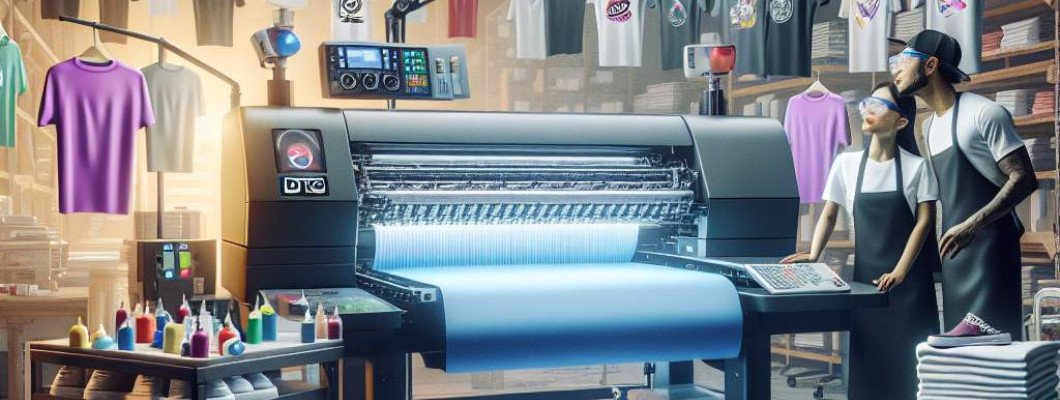
Struggling to rank your blog or business in the competitive world of custom apparel? Whether you're starting a t-shirt printing shop or upgrading your existing setup, choosing the right printer is crucial. Specifically, understanding the differences between a DTG printer and a t-shirt printer can make or break your success. Let"s dive into what sets these machines apart, how they can boost your productivity, and which one is best suited for your needs.
What Is a DTG Printer and How Does It Work?
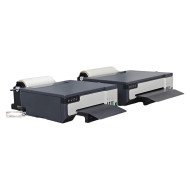
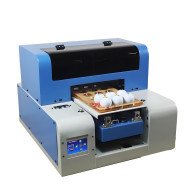
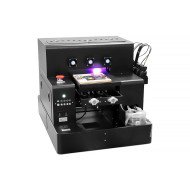
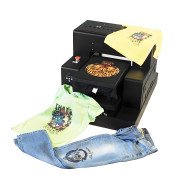
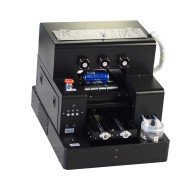
A Direct-to-Garment (DTG) printer is a high-tech device designed to print detailed, full-color images directly onto fabrics like cotton T-shirts. Unlike traditional screen printing that requires creating stencils, DTG uses inkjet technology to spray ink directly onto the fabric surface. This process allows for intricate designs, gradients, and photographic quality images to be printed rapidly and efficiently.
DTG printers are perfect for small batches, customized orders, or designs that demand high detail. They are user-friendly, reduce setup time, and offer excellent color blending options. Imagine printing a full-color portrait on a T-shirt with crisp details and vibrant hues—this is where DTG shines.
Understanding a T-Shirt Printer: The Basics
The term "t-shirt printer" can refer to various types of printing machines used to create custom shirts. Historically, it"s a broad label encompassing screen printing presses, heat presses, and more affordable inkjet-style printers. In most cases, a "T-shirt printer" might mean a basic inkjet printer adapted with special inks to print directly onto fabrics or transfer papers.
Traditional screen printing remains popular for bulk orders due to its cost-effectiveness at scale, but for small runs, one-off designs, and quick turnaround, specialized t-shirt printers—especially DTG—are increasingly preferred.
Key Differences Between DTG and Conventional T-Shirt Printers
- Print Quality: DTG offers photographic, detailed images, while older or simpler t-shirt printers often produce less detailed designs.
- Setup Time: DTG requires minimal setup, ideal for custom or small batches, whereas traditional screen printing involves creating screens for each design.
- Cost: For small runs, DTG can be more economical since there's no need to prepare screens. For mass production, screen printing tends to be cheaper per unit.
- Design Complexity: DTG handles complex, multi-colored designs effortlessly, unlike some heat transfer or screen printing methods that may need separate screens or layers.
- Speed: While DTG is fast for small runs, for very high-volume production, traditional methods may be faster and more cost-effective.
Choosing the Right Equipment for Your Business
If your goal is to create vibrant, detailed custom T-shirts with low to moderate volume, investing in a DTG printer makes sense. These machines are compact, easy to operate, and produce high-quality results with minimal setup. They"re ideal for entrepreneurs, artists, or small businesses focusing on personalized apparel collections.
Conversely, if you're planning to handle large orders or need maximum efficiency for bulk production, traditional screen printing might be your go-to. But remember, for quick prototyping, sampling, or on-demand printing, a DTG is often the superior choice.
Factors to Consider Before Buying a DTG or T-Shirt Printer
- Production Volume: How many shirts do you plan to print per day/week?
- Design Complexity: Do your designs feature full-color images, or are they simple logos?
- Budget: What's your initial investment capacity, and what are your ongoing costs?
- Space and Maintenance: Do you have room for new equipment? Are you willing to handle maintenance?
- Material Compatibility: Will you print only on cotton or other fabrics as well?
Tips for Maximizing Your DTG or T-Shirt Printer
- Pre-treat your garments: Many DTG printers require pre-treatment to ensure vibrant, durable print results.
- Regular maintenance: Clean your print heads and perform routine checks to keep quality high.
- Design optimization: Use high-resolution files and optimize your designs for best printing results.
- Choose quality inks: Invest in good inks that are eco-friendly and produce long-lasting results.
- Experiment with fabrics: Test different materials to understand how your machine performs with various textiles.
Remember, investing in the right printing equipment can transform your creative business. For premium results and ease of use, a DTG printer is often the superior choice for small batches and detailed designs. Click here to explore top DTG printer options that can elevate your custom apparel business.
FAQs About DTG and T-Shirt Printers
1. Can I use a DTG printer for printing on other fabrics besides cotton?
Most DTG printers are optimized for 100% cotton, but some can handle blends with special pre-treatment. Always check the printer specifications before testing other fabrics.
2. How long does a typical DTG print take?
Most DTG prints are completed within 2-5 minutes per shirt, making them ideal for on-demand and small batch printing.
3. Is a DTG printer suitable for large-scale production?
While DTG excels in quality and flexibility, for high-volume manufacturing, traditional screen printing might be more cost-effective. However, many businesses combine both methods for efficiency.
4. What are common maintenance issues with DTG printers?
Clogged print heads, ink inconsistencies, and fabric residue are typical challenges. Regular cleaning and using high-quality inks help mitigate these problems.
5. How does pre-treatment improve print quality?
Pre-treatment prepares the fabric surface, enhances ink adhesion, and ensures vibrant, durable prints—particularly crucial when printing detailed images with white ink.



Leave a Comment