
Ultimate Guide to Choosing the Right DTG and T-Shirt Printer for Your Business
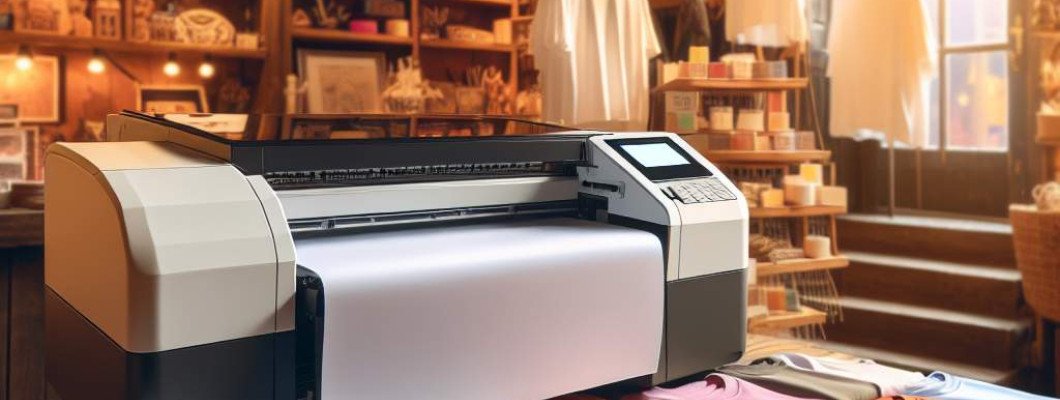
Are you struggling to find the right DTG printer or t-shirt printer that meets your business needs? Maybe you"re just starting out in custom apparel or aiming to upgrade your existing equipment. Either way, choosing the perfect printer is crucial to your success. With so many options available, how do you determine which one is right for you?
Understanding what makes a quality DTG (Direct-to-Garment) or t-shirt printer can save you time, money, and frustration. The decision involves evaluating features like print quality, speed, durability, ease of use, and cost of maintenance. Getting it wrong can lead to subpar print results, misaligned expectations, or equipment breakdowns that stall your production line.
What is a DTG Printer and Why Is It Essential for Your Business?
A DTG printer uses inkjet technology to print directly onto fabric, offering vibrant colors and fine details that other printing methods can't match. It's ideal for on-demand printing, small batch runs, or full-color designs that require flexibility and precision. If you want to stand out in the custom apparel market, investing in a high-quality DTG printer is a smart move.
Unlike screen printing, which involves creating separate screens for each color and is less flexible for short runs, DTG printers allow you to print one-offs quickly and cost-effectively. This technology makes it easier for entrepreneurs or existing printing shops to expand their product offerings with minimal setup time.
Key Features to Consider When Choosing a T-Shirt or DTG Printer
- Print Quality: Look for printers that deliver high-resolution images (at least 1200 dpi). Crisp, detailed prints will attract repeat customers and elevate your brand.
- Print Speed: How many shirts can the printer produce per hour? If you have a busy shop, fast printing speeds are essential to meet demand without compromising quality.
- Color Capabilities: Does the machine support white ink for dark fabrics? Multi-color printing options will expand your design choices.
- Ease of Use: Features like touchscreen controls, user-friendly interfaces, and minimal setup make daily operations smoother, especially if you have staff with varying skill levels.
- Maintenance and Durability: Look into the cost and frequency of ink replacements and cleaning. A reliable machine saves money over time and reduces downtime.
- Compatibility: Ensure the printer is compatible with your existing workspace and software. Also, check for compatibility with different garment types and thicknesses.
- Cost and ROI: Balance your initial investment with expected returns. Quality printers might cost more upfront but deliver better results and lower ongoing costs.
Popular DTG and T-Shirt Printers on the Market Today
Some top contenders in the industry include models from Epson, Brother, Kornit, and Polyprint. Each offers unique features catering to different business scales and needs.
For emerging brands or entrepreneurs, platforms like the DTG printer collection provide a range of affordable, robust options designed for consistent performance and easy operation.
How to Choose the Right Printer for Your Business
- Assess Your Production Volume: Small business with limited volume may prioritize ease of use and cost, while larger shops need faster machines with higher throughput.
- Define Your Design Needs: Do you require full-color, white ink printing for dark garments? Clarify your design complexity before selecting a model.
- Budget Considerations: Set a clear budget, considering upfront costs, maintenance, ink, and accessories. Sometimes a higher initial investment pays off with better quality and lower operating costs.
- Warranty & Support: Opt for brands that offer comprehensive support, training, and warranty coverage to prevent downtime.
- Future Scalability: Will your volume or design complexity increase? Choosing a scalable solution can save you from outgrowing your equipment prematurely.
Imagine chatting with a friend who runs a T-shirt printing shop. They emphasized that investing in a reliable, user-friendly DTG printer transformed their workflow. They could handle more orders with better quality, saving time and reducing waste. That real-world experience highlights how choosing the right printer has a direct impact on business success.
Where to Get Your DTG or T-Shirt Printer
Many suppliers offer a range of printers tailored for different needs. It's wise to purchase from reputable vendors with proven support and service, such as this trusted supplier. Doing thorough research and reading user reviews can reveal insights that help you make an informed decision.
Optimizing Your Printer for Best Results
- Regular Maintenance: Clean printheads frequently and perform routine calibration to maintain image quality.
- Use Quality Inks: Premium inks not only produce better colors but also extend the lifespan of your printer's components.
- Proper Environment: Keep your workspace dust-free and at optimal humidity and temperature levels to ensure consistent prints.
- Training: Invest time in training yourself and staff correctly. Mastering calibration, color management, and troubleshooting ensures smoother operation.
Frequently Asked Questions (FAQs)
- What is the main difference between a DTG printer and other apparel printing methods?
DTG prints directly on garments with high detail and color vibrancy, making it ideal for small batches and complex designs. Unlike screen printing, it's faster for custom jobs. - Can I print on dark fabrics with a DTG printer?
Yes, many modern DTG printers support white ink, allowing you to print vibrant images on dark or coloured garments. - How much does a good DTG printer typically cost?
Prices vary widely based on features but expect to invest approximately $10,000 to $30,000 for quality professional-grade machines. - What maintenance is required for a DTG printer?
Regularly clean printheads, perform calibrations, replace ink and filters as needed, and keep the machine in a dust-free environment. - Is DTG printing suitable for large-scale production?
While capable, DTG's speed may be less suitable for massive runs compared to screen printing or offset methods. It excels in custom, on-demand, or small batch printing.
















Leave a Comment