
The Connection Between Textile Recycling and DTG Printer Applications

Are you struggling to connect textile recycling and DTG printer applications effectively?
If you"ve been in the printing or garment industry lately, you"ve probably noticed a growing buzz around sustainability. More brands and printers are asking, "How can I incorporate eco-friendly practices without sacrificing quality?" The answer might be rooted in textile recycling combined with digital printing — especially with direct-to-garment (DTG) technology.
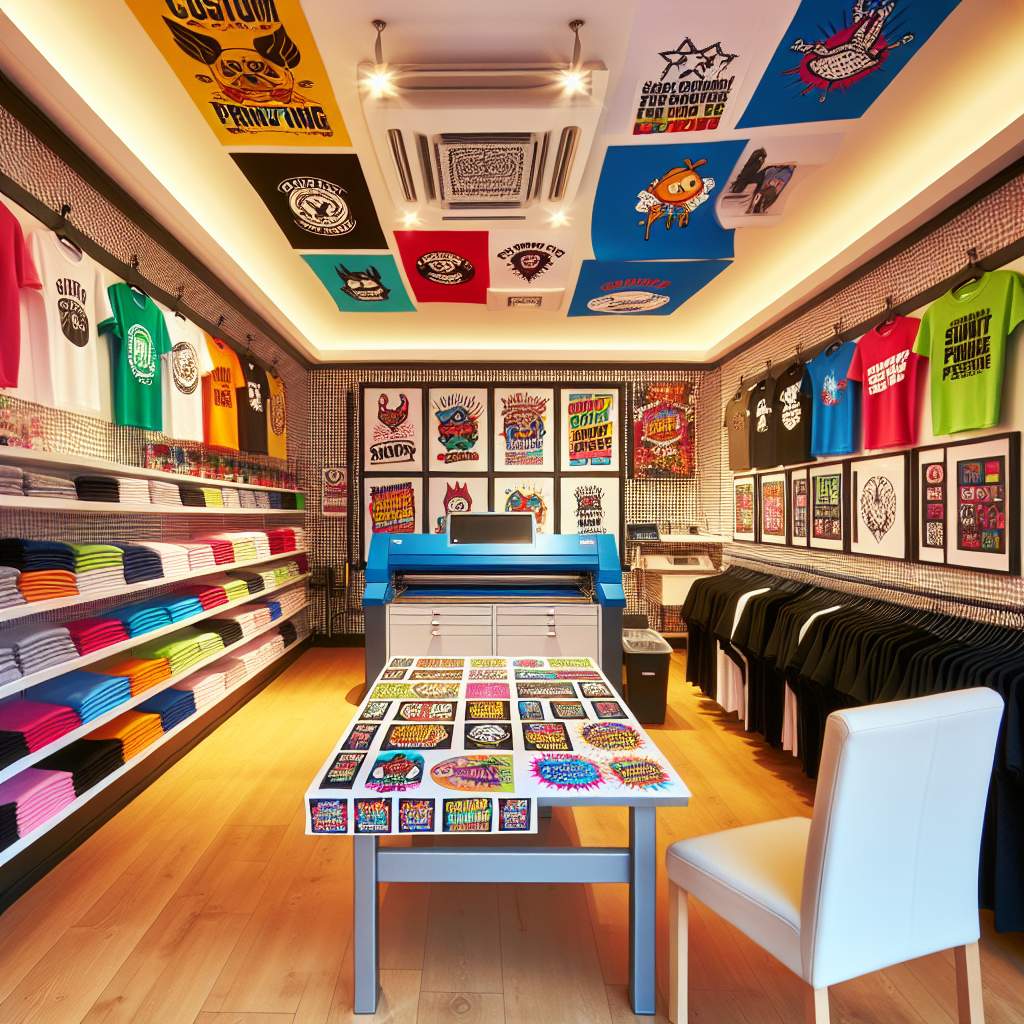
Understanding Textile Recycling and Its Role in Modern Manufacturing
What is textile recycling?
At its core, textile recycling involves repurposing old fabrics or garments into new, usable textiles. Instead of throwing away used clothes or scraps, they"re processed into raw materials that can be woven or woven into new textiles. This process significantly reduces waste and the demand for virgin fibers.
Why it"s becoming a game-changer
- Environmental Impact: Reduces landfill waste and conserves resources.
- Cost Efficiency: Lowers material costs for manufacturers.
- Consumer Demand: Customers now prefer sustainable products, boosting brand loyalty.
How Textile Recycling Fits with DTG Printer Applications
The synergy between recycled textiles and digital printing
Now, here"s the interesting part — the compatibility of recycled textiles with digital printing, especially DTG. When textiles are recycled properly, they often have similar or even better qualities for printing compared to virgin materials. For instance, recycled cotton fabrics tend to absorb inks just as well, if not better.
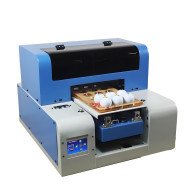
This opens up new opportunities for brands wanting to produce eco-friendly, high-quality custom prints. DTG printers, like our A3 DTG Printer, are perfect for short runs, complex designs, and vibrant color output on recycled textiles.
Benefits of using recycled textiles with DTG printers
- Eco-conscious branding: Promotes sustainability in your product lineup.
- High-quality prints: Achieves sharp, vivid designs on recycled fabrics.
- Flexibility: Works on various recycled materials like cotton, blends, and even recycled polyester.
- Cost savings: Decreases raw material expenses.
Steps to Successfully Combine Textile Recycling with DTG Printing
1. Select the right recycled textiles
Look for materials that are certified for quality and colorfastness. Cotton-based fabrics tend to produce the best results. Make sure the recycled material is free from contaminants or excessive blends that could affect print quality.
2. Prepare your textiles properly
- Wash and dry the textiles thoroughly.
- Use pre-treatment solutions tailored for recycled fabrics to ensure ink adhesion and durability.
3. Adjust your printer settings
Recycled textiles may have different porosity or surface textures. Tweak your DTG printer parameters—like head height, ink flow, and platen pressure—for optimal results. Experiment with test prints to dial in perfect settings.
4. Print and finish
Choose quality inks that work well on recycled textiles—water-based, eco-solvent, or specialized DTG inks. Always complete with appropriate curing or heat setting processes to enhance durability.
Real-World Example: A Brand's Journey to Sustainability
Imagine chatting with a small brand owner named Sara. She started using recycled cotton t-shirts and wanted vibrant prints that also told a sustainability story. She invested in a high-quality DTG printer and sourced certified recycled fabrics. After some adjustments and testing, her team could produce colorful, durable shirts with a clear eco-friendly message. The response from customers was overwhelming. Their sales increased, and their reputation for sustainability grew.
Why Now is the Time to Embrace Textile Recycling and DTG
Consumer awareness about environmental issues is at an all-time high. Combining textile recycling with digital printing is not just good for the planet — it"s a smart business move. It allows for fast turnaround times, customization, and lower costs—all while staying aligned with eco-friendly practices.
Plus, with advances in ink technology and textile pretreatment, the quality gap between recycled and new fabrics is closing fast. This means you can confidently switch or incorporate recycled textiles into your production line without sacrificing quality.
Frequently Asked Questions
1. Can all recycled textiles be printed on using DTG technology?
Most cotton and some polyester blends work well, but it"s essential to test each batch. Some recycled fabrics may need specific preparation or adjustments.
2. Are recycled textiles more expensive than virgin fabrics?
Typically, recycled fabrics cost less over time due to lower raw material costs and waste reduction. However, quality and sourcing can influence pricing.
3. How durable are prints on recycled textiles?
With proper pre-treatment and curing, prints on recycled fabrics are just as durable as on new materials. Quality inks play a vital role too.
4. Is the process of recycling textiles environmentally friendly?
Yes, especially when recycling is done responsibly. It reduces landfill waste, conserves water and energy, and lowers pollution compared to producing new fabrics.
5. How can I make my brand more sustainable using textile recycling and DTG?
Start by sourcing recycled fabrics, invest in quality DTG printing technology, and promote your eco-friendly initiatives to your customers. Transparency builds trust and loyalty.
Ready to explore how textile recycling and DTG printers like our A3 DTG Printer can transform your business? Embrace sustainability today and set your brand apart in a competitive marketplace.













Leave a Comment