
News - Waste Reduction RSS Feed
11 Feb

0
104
Are you tired of seeing piles of unsold clothing waste piling up in your closet or your local landfill? Do you wonder if there"s a way to enjoy customized fashion without contributing to the fast fashion crisis? If so, you"re not alone. As eco-conscious consumers and industry insiders seek sustainable alternatives, on-demand printing emerges as a g..
20 Dec
0
77
Ever Wondered How DTG Printing Is Changing Sustainable Fashion?Have you ever thought about how clothes are made and how much waste gets generated in the process? If you"re into eco-friendly fashion or just tired of fast fashion"s environmental toll, you"ll want to know about the role of a DTG printer in making fashion more sustainable. This technol..
03 Nov

0
58
Struggling to make your fashion production more sustainable without sacrificing productivity?If you're in the fashion industry, you know the challenge. Customers want eco-friendly products, but at the same time, you need fast turnaround times and high-quality prints. The good news? DTG (Direct-to-Garment) printer workflows are changing the game. Th..
26 Aug
0
85
Europe"s fashion brands deploying DTG to meet sustainability goals and minimize wasteEurope"s Fashion Brands Deploying DTG to Meet Sustainability Goals and Minimize WasteIn recent years, the fashion industry in Europe has seen a remarkable shift towards sustainable practices, driven not only by consumer demand but also by the urgent need to reduce ..
26 Aug

0
98
AI-driven maintenance systems entering DTG workflows to reduce downtime and wasteAI-driven Maintenance Systems Entering DTG Workflows to Reduce Downtime and WasteIn the rapidly evolving world of digital textile printing, direct-to-garment (DTG) workflows are becoming more sophisticated and efficient, thanks in part to cutting-edge advancements in a..
24 Aug

0
15
AI-driven RIP software enhancing DTG color accuracy and reducing ink wasteAI-driven RIP Software: Revolutionizing DTG Printing for Superior Color Accuracy and Minimal Ink WasteIn the fast-evolving world of digital textile printing, Direct-to-Garment (DTG) technology continues to gain popularity among manufacturers and small businesses alike. The de..
22 Aug
0
78
AI-driven RIP software enhancing DTG color accuracy and reducing ink wasteRevolutionizing DTG Printing with AI-Driven RIP Software: Achieving Superior Color Accuracy and Minimizing Ink WasteIn the rapidly evolving world of digital textile printing, direct-to-garment (DTG) technology continues to gain popularity for its ability to produce high-quali..
14 Aug

0
99
Sustainable clothing brands adopting DTG printers to reduce textile waste and overproductionSustainable Clothing Brands Adopting DTG Printers to Reduce Textile Waste and OverproductionIn recent years, the fashion industry has faced increasing scrutiny over its environmental impact, particularly concerning textile waste and overproduction. Consumers..
09 Aug

0
90
In recent years, the fashion industry has faced increasing pressure to adopt sustainable and eco-friendly practices. Traditional manufacturing often results in significant amounts of textile waste, overstock issues, and environmental pollution. To address these challenges, many forward-thinking apparel companies are turning to innovative printing t..
08 Aug

0
136
Sustainable fashion brands adopting DTG to reduce overproduction and wasteSustainable fashion brands adopting DTG to reduce overproduction and wasteIn recent years, the fashion industry has faced increasing scrutiny over its environmental impact, particularly concerning overproduction and textile waste. Traditional manufacturing techniques often le..
31 Jul
0
103
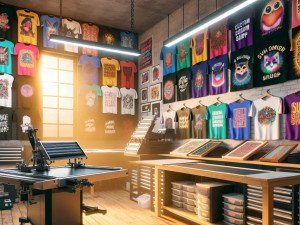
The Role of DTG Printing in Reducing Apparel Waste and Inventory OverstockThe Role of DTG Printing in Reducing Apparel Waste and Inventory OverstockIn recent years, the fashion industry has faced mounting pressure to become more sustainable and environmentally responsible. Traditional manufacturing methods often lead to significant waste, excess in..
29 Jul
0
116
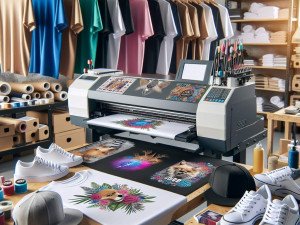
In recent years, the fashion and apparel industry has faced increasing scrutiny over its environmental impact, particularly regarding waste generation during manufacturing. Traditional methods such as screen printing and dyeing processes tend to produce significant amounts of waste, including excess dyes, chemicals, and unused fabrics. As consumers..