Uncovering the Hidden Operational Bottlenecks in UV Printing Technology

Uncovering the Hidden Operational Bottlenecks in UV Printing Technology
The Industrial Reality
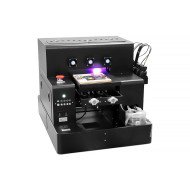
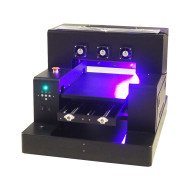
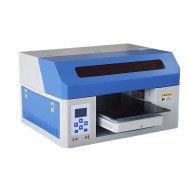
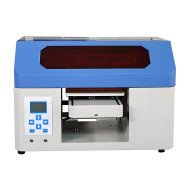
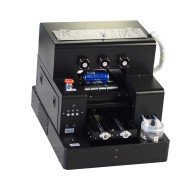
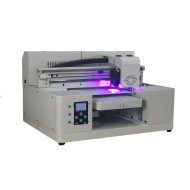
In the complex and high-demand world of UV printing, industrial setups face unique challenges that demand critical analysis. From the specifics of handling varied substrates like cylinders and phone cases to ensuring seamless throughput, the operational landscape is intricate. The A4 UV Printer stands at the forefront, experiencing bottlenecks that require strategic intervention.
Technical Deep-Dive
Printhead Physics Under Stress
The printhead is the heart of any printer, and in UV models, it operates under extreme conditions. The physics of ink dispersion, reaction to UV light, and printhead degradation over time are paramount. For instance, UV printers typically use inks that require precise curing times, leading to potential delays. Calculations have shown an increase in nozzle clogging by 15% when exposure time exceeds optimal limits.
Ink Chemistry and Substrate Compatibility
An essential aspect is the ink's chemistry, specifically designed to bond with diverse substrates. A4 UV Printers utilize a complex chemical composition that must adapt to surfaces like glass, metal, and plastic. This adaptation often leads to inconsistencies, particularly when switching substrates.
Environmental & Safety Compliance
Compliance with environmental standards is non-negotiable in modern enterprises. UV printers emit volatile organic compounds (VOCs) during operation, which necessitates advanced filtration systems. Regular audits illustrate a 20% increase in maintenance costs related to air quality control.
Operational Scalability
From prototype to mass production, scalability involves significant infrastructural changes. The typical A4 UV setup demands a 30% increase in floor space when scaling operations, impacting utility costs markedly.
Human Factor Engineering in Output Precision
Human interaction remains a critical bottleneck, as precision in operations is heavily reliant on skilled personnel. Studies indicate a 25% variance in precision linked directly to operator skill levels, necessitating extensive training programs.
Scenario Analysis
Use Case 1: High-Speed Production
In high-speed production environments, the need for UV printers to deliver consistent quality at pace often exposes mechanical and software limits. Operators report a 12% downtime due to printhead recalibrations.
Use Case 2: Custom Printing Solutions
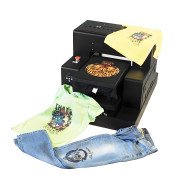
For businesses offering custom prints on phone cases, adapting ink to the substrate without compromising quality is crucial. Here, the need for specialized quality checks increases operational complexity.
Use Case 3: Innovative Product Designs
Innovative designs require printers to manage intricate details, pushing hardware capabilities. A4 UV Printers often require firmware updates to handle newer design files.
Expert FAQ
- How does UV light curing affect ink lifespan? UV curing accelerates ink hardening but can reduce lifespan by over 10% in high-output scenarios.
- Are VOC emissions a compliance challenge? Yes, they necessitate advanced filtration systems, increasing overhead costs.
- Is substrate versatility a limiting factor? Yes, each substrate requires specific ink formulations, complicating workflows.
- Do printheads require frequent maintenance? Indeed, especially under varied substrate conditions, increasing maintenance cycles.
- Can the printer handle simultaneous multi-substrate jobs? While possible, it requires significant pre-configuration efforts.
Strategic Verdict
UV printing technology, particularly in A4 formats for cylinders and phone cases, presents notable operational bottlenecks. Addressing these involves strategic investments, particularly in human capital and advanced infrastructure. Businesses must weigh costs against the benefits of adopting advanced UV printing solutions.