
Startup apparel brands reducing inventory risk by adopting T-SHIRT PRINTER for agile production
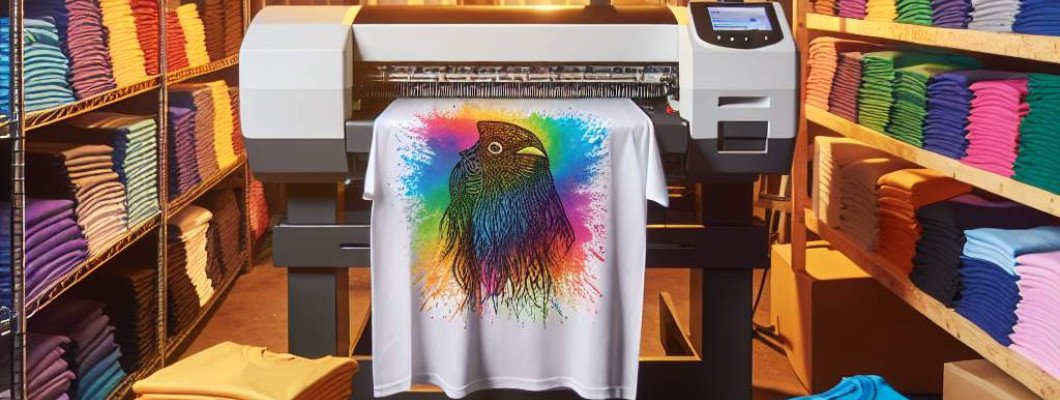
Struggling to reduce your apparel inventory risk while staying competitive? Let"s talk about a game-changer for startup brands: adopting a T-shirt printer for agile production.
If you"re like many emerging apparel brands, you"ve probably faced the challenge of balancing inventory costs with customer demand. Holding too much stock can tie up your cash, increase waste, and leave you with unsold items. But what if you could produce on demand, only when a customer orders? That"s where your next breakthrough lies.
Understanding the shift to agile production in apparel
Why traditional inventory methods fall flat
Many startups tried to predict trends and produce large batches in advance. It seemed logical—more units, lower cost per piece. But trends are unpredictable. What seems popular today may go out of style tomorrow. Unsold inventory then becomes a sunk cost, eating into profits and creating storage headaches.
The rise of on-demand printing and its benefits
Enter on-demand printing. This technology allows brands to print T-shirts only after they receive an order. It minimizes waste, reduces upfront investment, and allows rapid response to market trends. Brands can test new designs without fear of excess stock. Think of it simply as "print when paid," aligning production closely with actual demand.
Why startup apparel brands are adopting T-shirt printers
Reducing inventory risk
When you rely on traditional methods, it"s easy to end up with a pile of leftover stock. With a T-shirt printer, you only make what you sell. That means less risk of markdowns and waste. Plus, you can adjust your designs quickly based on customer feedback or emerging trends.
Achieving faster turnaround times
A custom T-shirt printer can produce high-quality shirts within hours. This allows brands to launch new collections rapidly, respond to seasonal changes, or capitalize on viral trends. The days of waiting weeks for bulk orders are gone.
Cost efficiency for startups
High upfront costs for large inventory are a barrier for many new brands. T-shirt printers reduce capital expenditure and inventory holding costs. You"ll pay for what you produce, making your cash flow more predictable and stable.
Flexibility in design and order quantities
With digital printing, you can easily customize designs or create limited editions. No need to produce hundreds of the same design; you can adapt in real-time, offering personalized products and even testing market acceptance.
Features to look for in a T-shirt printer for your startup
Print quality and durability
Invest in a printer that produces sharp, vibrant images that last after multiple washes. Quality matters for your brand"s reputation.
Printing speed and volume capacity
Choose a machine that matches your production needs. Some printers handle hundreds of shirts daily, others are better for small batches.
Ease of use and maintenance
Look for user-friendly interfaces and features that simplify cleaning and upkeep. You don"t want tech hassles slowing you down.
Compatibility with different fabrics
Ensure the printer can handle various textiles—cotton, blends, or polyester—so you can diversify your product line.
Cost and warranty options
Balance upfront investment with ongoing costs. Good warranty support can save you headaches down the line.
How to integrate a T-shirt printer into your startup workflow
Start with small batches to test the market
Produce limited runs initially. Gauge customer interest and refine your designs before scaling up.
Build an online storefront to accept orders
Streamline sales directly from your website. Automate order processing and printing schedules to boost efficiency.
Use feedback to iterate quickly
Engage your customers, listen to their input, and update your designs accordingly. The agility of digital printing makes this seamless.
Focus on branding and marketing
Highlight your on-demand, eco-friendly production process in your messaging. Consumers today value transparency and sustainability.
Real-world example: How a startup thrived with T-shirt printing
Imagine Sarah, who launched a small apparel brand focused on eco-conscious designs. She was hesitant to produce large inventories, fearing waste and unsold stock. After adopting a digital T-shirt printer, she could offer limited editions and update her catalog weekly. Her customers loved the fresh, unique offerings, and Sarah avoided overstock. Orders came in, she printed on demand, and her cash flow stayed healthy.
FAQs about startup apparel brands and T-shirt printers
- Is investing in a T-shirt printer worth it for a small startup?
Absolutely. It reduces inventory costs, increases flexibility, and allows quick market responses, all critical for small brands. - What"s the typical turnaround time for custom T-shirts?
Most digital printers can produce shirts in a few hours to a day, depending on volume, enabling rapid delivery. - Can I print on different fabric types?
Yes, many printers handle various fabrics—cotton, polyester, blends—giving you creative freedom. - Are there ongoing costs besides the initial purchase?
Yes, including ink, maintenance, and occasional repairs. However, these are generally lower than bulk inventory costs. - How does on-demand printing impact my marketing strategy?
It allows you to create limited editions and customize designs, making your brand more engaging and personalized.
Ready to ditch inventory risks? Explore a T-shirt printer today
Imagine running a leaner, more responsive startup with less waste and more customer satisfaction. That"s the power of adopting a T-shirt printer for agile production. To learn more about top options, check out this advanced digital T-shirt printer designed for startups and small businesses. Embrace the future of apparel manufacturing—your brand"s agility depends on it.














Leave a Comment