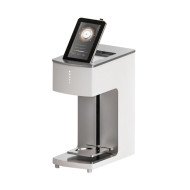
Analyzing the True Costs of Lifecycle Maintenance

The Industrial Reality of Lifecycle Maintenance Costs
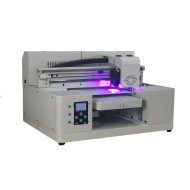
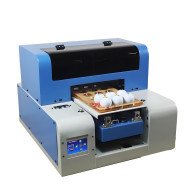
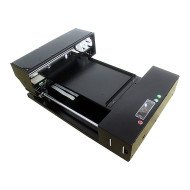
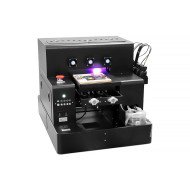
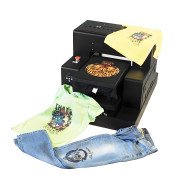
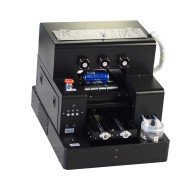
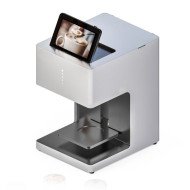
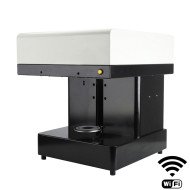
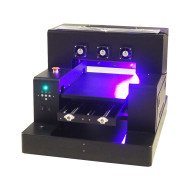
In the fast-paced world of printing technology, understanding the lifecycle maintenance costs of a Mini A4 DTG Multifunction Printer is crucial. This analysis delves into the complex layers of maintenance that can impact long-term financial outcomes.
Depreciation and Asset Evaluation
When evaluating the Mini A4 DTG Multifunction Printer, asset depreciation plays a significant role. Considering a standard depreciation rate of 10% per annum with an initial investment of $10,000, the printer's value reduces significantly over a five-year period. This impacts financial forecasts and asset management strategies substantially.
Component Longevity and Replacement Costs
The printer's key components, including printheads and ink delivery systems, require regular assessment. With average replacement costs hitting $500 every 12 months, these represent a significant portion of operational overheads.
Hidden Maintenance Bottlenecks
Operational efficiency often suffers from unexpected downtime, largely due to non-obvious bottlenecks. Maintenance leads must focus on preemptive maintenance cycles using predictive analytics to minimize these disruptions.
Mathematics of Operational Efficiency
Efficiency is often quantified through uptime percentages and print quality output. Assuming a 95% uptime goal, the operational loss during downtime can be evaluated using productivity metrics.
Comparative Analysis with Competitors
An analysis of similar printers in the market shows variations in maintenance requirements and associated costs. This comparative study helps identify efficiency gaps and direct maintenance strategies effectively.
| Printer Model | Annual Maintenance Cost | Average Uptime |
|---|---|---|
| Mini A4 DTG | $1,200 | 95% |
| Competitor X | $1,500 | 92% |
Scenario Analysis for Business Applications
The Mini A4 DTG is adaptable to various business scenarios. For a scalable business owner focusing on throughput, the printer's consistent operation meets high demand efficiently. For artisans, its color depth capabilities ensure print quality at micron-level precision. In IT infrastructure contexts, its compact design fits seamlessly into existing setups, reducing the need for additional resources.
Expert FAQ
Q1: How does the printer handle high-frequency operations without downtime?
A1: Robust thermal management systems and predictive maintenance algorithms ensure continuous operation.
Q2: What is the expected lifespan of critical components?
A2: Regular maintenance extends the lifespan of components like the printhead to approximately three years.
Q3: How is print quality maintained over time?
A3: Regular calibration and high-quality ink chemistry maintain consistent print quality.
Q4: Are there any hidden maintenance costs?
A4: Unplanned costs mainly arise from emergency component replacements not covered in standard maintenance.
Q5: How does the printer integrate with existing infrastructure?
A5: Modular design allows seamless integration with minimal modifications to existing setups.
Strategic Verdict on Technology Trajectory
The Mini A4 DTG Multifunction Printer stands at a pivotal point in technological evolution. Its focus on minimizing lifecycle maintenance costs while delivering high-quality output positions it as a reliable choice for enterprises looking for long-term value. As the industry advances, printers with such strategic foresight will lead in efficiency and innovation.