Infrastructure Integration Challenges Explored with A3 DTG & DTF Printing

Understanding the Industrial Complexity
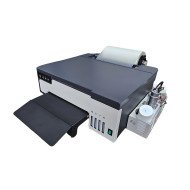
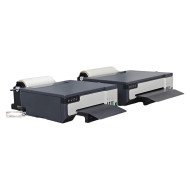
The evolution of A3 T-shirt printing machines, specifically DTG and DTF printers, draws attention to numerous infrastructure integration challenges in high-demand scenarios. These printers are pivotal in transforming traditional garment manufacturing processes into highly efficient digital workflows. While appealing, integration challenges must be dissected with precision to ensure seamless operation.
Architectural Intricacies in Printing Technology
The core architecture of DTG and DTF printers demands attention in terms of spatial organization. The A3 frame, while compact, requires strategic placement within the production area to maximize connectivity with other devices such as servers and network switches. Furthermore, considerations around power management (300-500 Watts consumption) and cooling solutions are paramount for sustained operation.
Compatibility with Existing Server Infrastructure
Integrating these printers into existing IT frameworks poses compatibility issues. Legacy systems might lack adequate PCIe slots or network bandwidth (minimum Gigabit Ethernet) to handle high-volume data transfers required by modern printers. This necessitates infrastructure updates, potentially including new rack units (RU) and thermal management solutions, to accommodate the printers' computational demands.
Network and Data Management Challenges
Operational efficiency often hinges on robust data handling protocols. A3 DTG and DTF printers must interface seamlessly with enterprise-grade servers, which involves precise configuration of network parameters such as IP segmentation and VLAN setup. Mismanagement in this area could lead to latency or data packet loss, drastically affecting print quality and production speed.
Case Study: Factory Floor Dynamics
Implementing these printers on the factory floor introduces ergonomic challenges. It involves strategic decisions about machine placement to optimize worker accessibility and workflow. Additional concerns about machine vibration and sound levels (up to 60 dB) further complicate integration with pre-existing machinery.
Comparison: DTG vs. DTF Integration Paths
Both DTG and DTF technologies present unique integration paths. DTG printers prioritize quality with advanced ink technologies (20-100 pl droplet size), while DTF focuses on flexibility across diverse substrates. A comparative analysis is crucial for decision-making in terms of infrastructure compatibility.
| Aspect | DTG Printer | DTF Printer |
|---|---|---|
| Ink Droplet Size | 20 pl | 100 pl |
| Substrate Versatility | Limited | Extensive |
| Integration Complexity | Medium | High |
Evaluating Real-World Scenarios
Consider the integration of these printers in three distinct business environments: small-scale creative studios, mid-sized custom print shops, and large-scale manufacturing hubs. Each scenario presents unique challenges in network setup and hardware management. For instance, small studios might benefit from minimalistic integration with compact servers, whereas large manufacturing environments require robust server clusters for peak efficiency.
Expert FAQ
- What is the expected thermal output? Calculations show around 250 Watts need management.
- Can these printers interface with cloud data? Yes, with suitable firmware and network configurations.
- Are there specific rack mount considerations? Typically, a 4U space is required for server integration.
- How do vibration levels affect print quality? Vibration can impact precision; careful placement and mounting are essential.
- What is the average uptime in industrial settings? Ideally above 90%, assuming optimal maintenance schedules.
Strategic Insights and Outlook
The trajectory of DTG and DTF printing technologies points towards increased integration with AI-driven management systems. Aligning these printers with future IT infrastructure trends will be vital for maintaining competitive advantage and operational efficiency in evolving markets.