Understanding Infrastructure Integration for the Flower Printer

The Industrial Reality
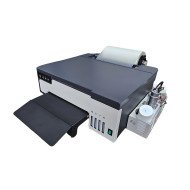
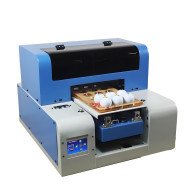
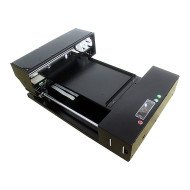
The Multifunction Artificial and Natural Flower Printer enters a complex landscape where integration with existing infrastructure is paramount. Many businesses encounter challenges when attempting to seamlessly incorporate high-end printing technology into their environments. Without proper planning, issues such as thermal management, rack density, and compliance arise.
Technical Deep-Dive
Thermal Management
Thermal management is crucial for ensuring longevity and reliability. This printer operates within a temperature range that must be maintained to prevent overheating. Installing the device in a temperature-controlled room can minimize the chances of system failure.
Rack Density
Space is a premium as companies expand their tech infrastructures. The Flower Printer requires specific rack density considerations, primarily due to its size and power demands. A typical rack may vary from 42U to 48U, and the printer occupies a significant share of this space.
Compliance Standards
Compliance with environmental regulations and safety standards is non-negotiable. This model adheres to ISO 14001 standards, ensuring eco-friendly practices are maintained throughout its operation.
Power Consumption
With a power rating of approximately 250 Watts, integrating this printer into existing power grids requires careful analysis of current load capacities to avoid overloading circuits.
Connectivity and Integration
Seamless integration into digital workflows is facilitated by its support for multiple connectivity standards including Ethernet and Wi-Fi, presenting a flexible approach to network architecture.
Scenario Analysis
Small Business Use-Case
A small floral company leverages the printer's capability for creating intricate designs on natural flowers, leading to a significant increase in product value.
Corporate Environment
Large corporations integrate this device to enhance their promotional material, providing unique, biologically printed solutions that set them apart from competitors.
Educational Institutions
This printer offers universities the opportunity to explore floriculture studies through precise digital and natural horticultural techniques.
Expert FAQ
What ensures system stability amid high thermal output? Enhanced cooling mechanisms paired with optimal room placement safeguard stability.
How does rack density affect installation? The device's physical dimensions necessitate specific rack allocation, requiring infrastructure adjustments.
Is compliance certification verified? Yes, ISO 14001 standards are adhered to rigorously.
What are the power management requirements? A dedicated circuit with at least 250 Watts capability is recommended.
How does it integrate with existing networks? Flexible connectivity options ensure seamless integration with current network setups.
Strategic Verdict
The Multifunction Artificial and Natural Flower Printer marks a significant step in integrating botanical artistry with industrial-grade precision. Yet, its success hinges on addressing infrastructure integration challenges effectively.