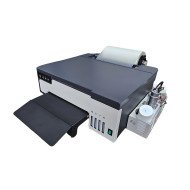
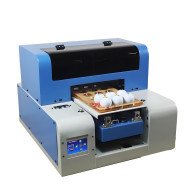
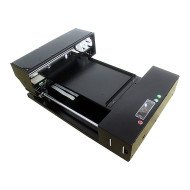
Analyzing Infrastructure Integration Challenges with the Latte Coffee Printer

The Industrial Reality
The adoption of the Color Version Latte Coffee Printer in today's industrial settings comes with certain integration challenges that can't be overlooked. This technical white paper dives into the core aspects of integrating this advanced printing solution within an existing infrastructure, focusing on the nuanced requirements of diverse business environments.
Technical Deep-Dive
Understanding Power Requirements
The printer operates at a significant capacity, requiring a stable power source. This printer needs a dedicated circuit of at least 230 volts, drawing approximately 1500 watts. Failure to provide adequate power can lead to inefficiencies and potential damage.
Network Integration Protocols
The printer supports a range of network protocols including TCP/IP, DHCP, and SNMP. It's crucial that IT managers ensure compatibility with existing infrastructure to facilitate seamless communication.
Thermal Management Needs
Operating temperature ranges from 5°C to 35°C, with humidity levels between 20% and 80% non-condensing. Installing appropriate HVAC systems is critical to maintaining these conditions and ensuring optimal performance.
Data Handling Efficiency
Capable of handling data at speeds up to 1 Gbps, the printer demands robust network infrastructure for effective data processing. Bandwidth allocation should be adjusted to accommodate this requirement.
Compliance and Certification
Compliance with international standards such as CE and FCC is mandatory. Understanding the regulatory landscape ensures legality and operational reliability.
Scenario Analysis
Business scenarios illustrate how integration affects performance. A large-scale café chain found its outdated network inadequate, leading to delays. Conversely, an artisanal coffee shop with updated infrastructure achieved seamless operations.
Expert FAQ
Q1: What power backup solutions are recommended?
A1: Uninterruptible power supplies (UPS) are advisable to prevent data loss and machine damage.
Q2: How does the printer impact existing thermal systems?
A2: It is essential to recalibrate HVAC systems to manage additional heat output.
Q3: Are firmware updates critical for integration?
A3: Yes, regular updates ensure compatibility with security protocols.
Q4: What are the most common integration mistakes?
A4: Neglecting power and network requirements is a frequent issue.
Q5: How can integration downtime be minimized?
A5: Thorough planning and phased implementation reduce potential disruptions.
Strategic Verdict
In conclusion, while the Color Version Latte Coffee Printer offers advanced capabilities, the integration challenges require strategic planning. Understanding infrastructure compatibility is essential to maximize efficiency and minimize operational risks.