Transform Your Floral Business with Digital Petal Printing: Quadruple Margins & Unlock Exclusive Corporate Contracts

How Digital Petal Printing Revolutionizes Profitability in the Floral Industry
In the fiercely competitive floral landscape of 2026, small local flower shops and boutique studios face daunting challenges. Rising wholesale costs due to climate disruption and logistics, compounded by price wars with online giants and supermarket chains, are squeezing traditional profit margins to near zero. With consumers often viewing a rose as just a rose, how can your floral business survive, let alone thrive?
The key lies in shifting from generic commodity sales to crafting exclusive, hyper-personalized experiences that mainstream grocers simply cannot replicate. Enter digital flower printing: the transformative technology that enables you to print detailed logos, photos, and custom messages directly onto fresh flower petals — something that instantly elevates your product's perceived value and market appeal.
Chapter 1: The Science Behind Printing on Living Flowers
At first glance, a corporate logo or a photo flawlessly printed on a fresh rose petal seems almost impossible. Customers often mistake these prints for stickers or decals. The truth is more impressive: advanced micro-piezo inkjet technology deposits bio-inert, cosmetic-grade inks directly on the petal's epidermal layer, without harming the flower.
Precision Micro-Piezo Technology
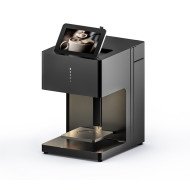
Unlike flat paper, flower petals present uneven and curved 3D surfaces. Dedicated flower printers integrate optical sensors that scan the petal’s contour, allowing the printhead to hover mere microns above without contact. This non-invasive approach delivers razor-sharp, vibrant images without bruising or compromising delicate tissues.
Ink Chemistry That Preserves Flower Life
Standard ink would irreparably damage petals, causing wilting and browning. Flower printing uses water-based, bio-safe, cosmetic-grade inks akin to those in edible product printing, designed to be breathable and non-toxic. These inks do not block the stomata, ensuring the flower’s natural respiration, and thus, its vase life remains unaffected.
Chapter 2: Capturing Lucrative B2B Markets with Custom Branding
Beyond personal gifts, B2B contracts yield high-value, recurring revenue streams with less price sensitivity. Corporate clients prioritize brand alignment and unique experiences over cost.
Custom Floral Branding for Corporate Events
Imagine a gala event centerpiece featuring roses with vivid corporate logos printed on each petal or personalized awardee names. Such bespoke creations elevate simple arrangements from $150 to $350+, bolstering your revenue and the client’s brand prestige.
Luxury Retail Exclusive VIP Gifts
High-end boutiques and dealerships can enhance client loyalty through recurring subscriptions of preserved “Forever Roses” printed with their trademarks. These high-margin contracts demand minimal labor after initial setup, providing steady profit.
Trade Shows that Leave a Lasting Impression
Replace uninspiring giveaways with branded roses printed with logos and scannable QR codes linking attendees directly to digital assets. This innovative approach amplifies brand visibility and drives social engagement, justifying a premium bulk service fee.
Chapter 3: Dominating B2C Weddings and Personalized Occasions
The emotional potency of weddings presents unrivaled opportunities for viral, premium products.
The Bespoke Proposal Rose
Offer clients a proposal centerpiece starring a white rose printed with their couple photo and the marriage proposal text. This unique keepsake commands a price substantially above standard bouquets and ignites organic social sharing crediting your business.
Memorable Bridesmaid Proposals and Wedding Favors
Personalized preserved roses with bridesmaids’ names or interactive place cards printed with guest names elevate the wedding experience while commanding a solid markup in the bustling wedding market.
Emotionally Charged Apology Bouquets
Create a premium apology line where roses spell messages or feature inside jokes, offering far deeper emotional impact than generic arrangements and enabling a significant price premium.
Chapter 4: Unpacking the Economics and ROI of Flower Printing
Let’s examine the numbers that make flower printers true profit powerhouses, not mere novelties.
| Product Category | Traditional Cost & Sale Price | Printed Cost & Sale Price | Profit Multiplier |
|---|---|---|---|
| Single Retail Rose (Walk-in) | Cost: $1.50 Retail: $6.00 Profit: $4.50 |
Cost: $1.55 (including ink) Retail: $18.00 Profit: $16.45 |
More than triple the profit per stem for minimal extra effort. |
| Corporate Gala Centerpieces (25 units) | Total Cost: $1,125 ($45 each) Total Retail: $3,000 ($120 each) Profit: $1,875 |
Total Cost: $1,150 ($46 each with ink) Total Retail: $6,250 ($250 each) Profit: $5,100 |
Nearly triple the profit on a single event weekend. |
| Preserved "Forever Rose" Box | Standard preserved rose Retail: $35.00 |
Printed preserved rose Retail: $65.00 |
85% higher revenue without additional inventory risk. |
The critical principle is that customers pay not for the ink itself — which costs pennies — but for the unique emotional and branding impact delivered by personalized living floral art. Just a few corporate contracts or a busy wedding season can recoup the hardware investment, making every additional printed flower a nearly pure profit source.
Chapter 5: Simplified Workflow & Versatility in Applications
Many florists shy away from digital tools fearing complexity, but modern petal printers are intuitive and designed for fast retail workflows.
- Design Input: Customers upload images or text via a simple Wi-Fi connected portal accessed by QR code on their phone. No graphic design skills needed.
- Flower Preparation: Choose light-colored roses (white, cream, pale yellow, or pink) optimal for translucent CMYK ink application.
- Alignment & Preview: The built-in camera scans the petal surface and overlays the uploaded design on-screen for precise positioning using touchscreen controls.
- Printing: Once aligned, the non-contact printhead deposits ink in 15-30 seconds without damaging the bloom.
- Final Assembly & Delivery: Ink dries instantly; the customized rose is placed in arrangements and handed to delighted customers.
Beyond fresh roses, this technology supports diverse substrates:
- Preserved Flowers: Stable preserved roses are ideal for detailed photography or gold-foil styled prints.
- Other Floral Types: Large leaves like Monstera, orchids, calla lilies, and sunflowers offer alternative canvases for logos and text.
- Edible Items: Food-grade inks enable printing on macarons, sugar cookies, and marshmallows, expanding your product range leveraging the same machinery.
Position Your Floral Business for a Profitable Future
The customization market is booming, with clients expecting more sophisticated, personalized retail experiences. To seize this opportunity, traditional manual methods and low-tech printers won’t suffice. You need heavy-duty, purpose-built printers engineered for high throughput, reliability, and seamless integration into your workflow.
By removing labor-intensive customization and offering unmatched emotional value, digital flower printing frees you from competing on price alone. Instead, you focus on creative design, high-margin products, and strategic growth.
If you’re ready to break free from commoditized flower sales and command premium prices through branded, personalized floral experiences, explore the industry-leading specifications and capabilities of the GNFEI Rose Flower Printer, meticulously crafted to empower florists for market dominance.