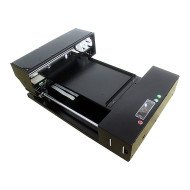
Exploring Infrastructure Integration Challenges of Coffee Printers

The Industrial Reality
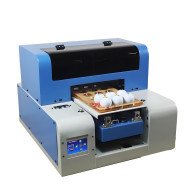
Integrating a Color Version Latte Coffee Printer into existing infrastructure is not merely a matter of plug-and-play. This highly specialized device must align with current warehouse layouts, data center standards, and energy requirements. Consider a typical scenario: A medium-sized coffee shop chain desires to incorporate these printers across 20 locations. The spatial requirements and connectivity standards necessitate a thorough evaluation of each location's existing electric capacity and network bandwidth.
Technical Deep-Dive
Power and Network Requirements
Each printer consumes approximately 600 Watts during peak operation. This leads to increased load on existing electrical circuits, requiring a review of circuit capacity and potential upgrades. Network bandwidth impacts data transfer speeds, directly affecting print times.
Integration with Existing Systems
Latency in data processing and printer response time can result in bottlenecks. Typical data transfer speeds must exceed 100 Mbps to maintain efficient operation, which often necessitates infrastructure upgrades.
Thermal Management
Maintaining optimal operating temperatures is crucial. The printer generates significant heat, requiring robust cooling systems, particularly in smaller spaces.
Compliance and Safety Standards
The printer must comply with regional safety standards such as OSHA in the US or CE marking in Europe, impacting insulation and grounding protocols.
Cost Implications
Long-term operational costs include increased energy consumption, potential need for additional routers, and HVAC modifications. An upfront investment of approximately $5,000 per location covers installation and integration costs.
Scenario Analysis
Case 1: Small Cafe - A single unit integration. Modest impact on infrastructure with minor electrical adjustments.
Case 2: Large Franchise - Multiple units require centralized data processing and potentially new internet service agreements.
Case 3: Corporate Office - Frequently utilized in offices for custom branding. Requires high-speed networks to handle print queuing efficiently.
Expert FAQ
Q1: Can these printers operate on a standard 110/220V socket?
A1: Yes, but peak operation may require dedicated circuits.
Q2: What is the average depreciation period?
A2: Generally, 5-7 years depending on usage.
Q3: How does climate affect performance?
A3: Higher ambient temperatures necessitate enhanced cooling solutions.
Q4: Is there a remote management option?
A4: Yes, models offer software integration for remote diagnostics.
Q5: Are there any industry-specific certification requirements?
A5: Compliance with food safety and electronic disposal standards is mandatory.
Strategic Verdict
The integration of Color Version Latte Coffee Printers presents significant infrastructure challenges that require strategic planning. While the initial investment may be substantial, the operational efficiency and custom capabilities provided justify the expenditure for businesses focused on branding and customer engagement.