Analyzing Infrastructure Integration with CD and PVC ID Card Printers

The Industrial Reality in Printing
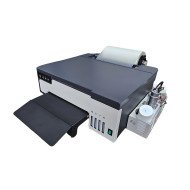
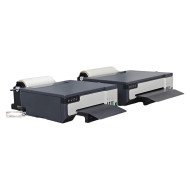
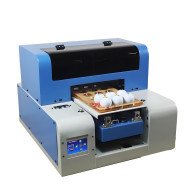
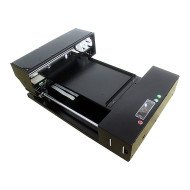
The current landscape of automatic CD printers and PVC ID card printers is shaped by the need for seamless infrastructure integration. Managing high-volume print tasks within complex IT environments demands precise alignment with server backbones, thermal management systems, and compliance frameworks. This integration is critical for maintaining operational efficiency and ensuring secure data handling.
Technical Deep-Dive
Hardware Synergy
The printers must synchronize with existing server architectures, ensuring that data throughput and processing speeds are maintained. This requires a deep understanding of server rack densities and thermal dynamics.
Thermal Management Considerations
Proper thermal management is crucial. With print mechanisms generating heat, integration with cooling systems must be optimized to prevent downtime.
Compliance and Security
Ensuring compliance with industry standards, such as ISO/IEC 27001 for information security, is essential. This requires robust encryption and secure access protocols.
Infrastructure Compatibility
Printers need to communicate with various network protocols, including IPv6, to ensure compatibility with advanced infrastructure technologies.
Cost and Efficiency Metrics
| Specification | Industrial-Grade | DIY Solution |
|---|---|---|
| Data Throughput | 500 MB/s | 150 MB/s |
| Thermal Load (Watts) | 200 | 150 |
Scenario Analysis
Case 1: Large-Scale Corporate Environment
The printer enhances productivity by reducing bottlenecks in identity card and archival media production processes.
Case 2: Education Sector
For universities, the integration with existing IT setups allows for reliable issuance of student IDs and learning materials.
Case 3: Government Applications
Compliance with security protocols ensures safe handling of sensitive information, vital for government ID systems.
Expert FAQ
Why is thermal management a critical aspect?
Preventing overheating ensures sustained operation, reducing maintenance needs.
How does IPv6 compatibility affect the printer’s performance?
It allows seamless integration into modern networks, improving data handling capabilities.
What cost implications should be considered?
While upfront costs are higher, long-term efficiency gains and reduced downtime offset initial investments.
How do these printers maintain security compliance?
They incorporate advanced encryption and secure protocols, aligning with standards like ISO/IEC 27001.
Why is rack density relevant?
Optimizing rack use minimizes space while maximizing data communication efficiency.
Strategic Verdict
The trajectory for automatic CD and PVC ID card printers involves further enhancements in compatibility with advanced IT infrastructures. The need for robust integration solutions will continue to drive innovation, ensuring these printers meet the stringent demands of modern enterprises while aligning with environmental and security standards.