
Local fashion workshops embracing experimentation as Cloth printer supports mixed fabrics and textures
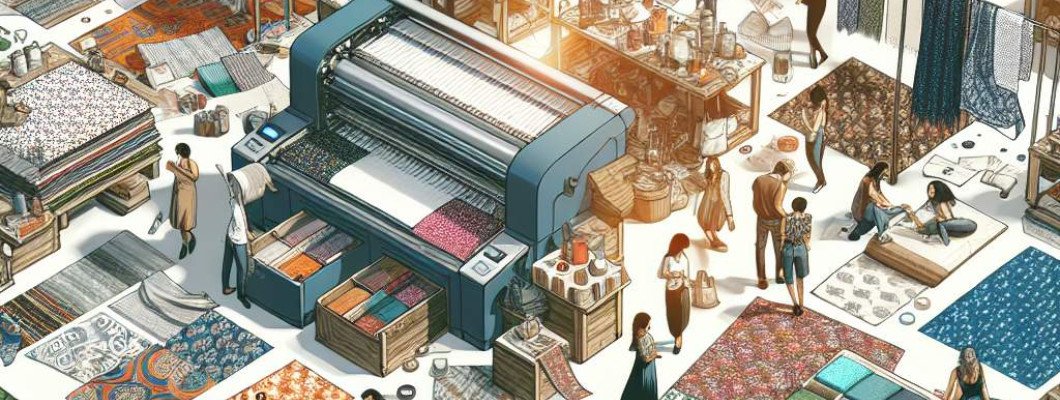
Struggling to stand out in the fashion industry? Curious how local workshops are redefining what"s possible with fabrics?
It"s no secret that today"s fashion scene demands innovation and experimentation. As consumers seek unique textures and styles, designers are increasingly turning to new methods to push boundaries. One inspiring development is how local fashion workshops are embracing experimentation, especially with the support of advanced cloth printers that handle mixed fabrics and textures effortlessly. This shift not only empowers creatives but also revolutionizes the way garments are designed and produced. If you're eager to understand how this innovation makes a difference, read on to explore the exciting world of textile experimentation.
Why Are Fashion Workshops Embracing Mixed Fabrics?
Traditional fashion manufacturing often sticks to uniform fabrics to minimize complexity and costs. However, today"s trend is moving toward bold, mixed textures that tell a story and create visual interest. Local fashion workshops are at the forefront of this change. These workshops serve as incubators for emerging designers eager to push their artistic limits. Here"s what"s driving this shift:
- Creativity and Personalization: Combining different fabrics allows for truly unique garments that stand out in a crowded market.
- Texture Innovation: Mixing textures like silk with canvas or leather with mesh creates tactile experiences that appeal to modern consumers.
- Sustainable Practices: Using reclaimed or mixed fabrics supports eco-friendly fashion, appealing to environmentally conscious shoppers.
Thanks to modern textile printing equipment, workshops can experiment with these materials without the typical limitations. This is where advanced cloth printers that support mixed fabrics come into play, opening new horizons for fabric design and customization.
The Role of Cloth Printers in Supporting Experimental Textiles
Imagine chatting with a friend about their latest DIY project—how they wanted a custom hoodie with a patch of floral fabric and a splash of metallic ink. That"s the power of modern cloth printers. These devices are engineered to handle complex textiles, including mixed fabrics and layered textures, making the designer"s vision tangible. Here"s how they facilitate experimentation:
- Compatibility with Diverse Fabrics: Modern printers support cotton, polyester, silk, leather, and even textured materials, enabling endless combinations.
- Layered Printing Abilities: They can print over seams, textures, and multiple fabric types in one pass, creating multidimensional designs.
- Color Accuracy and Durability: Advanced printing techniques ensure vibrant, long-lasting results that withstand wear and washing.
- Cost-Effective Small Batch Production: Small workshops can produce limited runs or prototypes without massive investment.
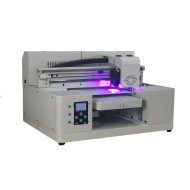
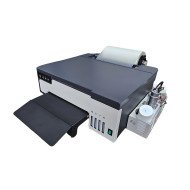
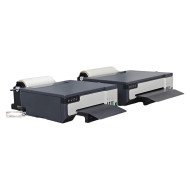
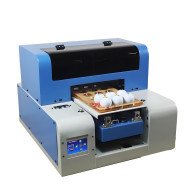
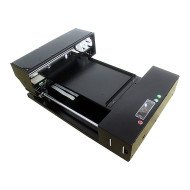
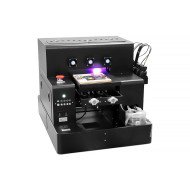
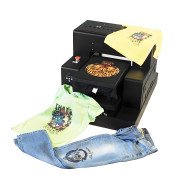
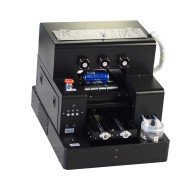
With a [DTG/DTF printer](https://www.gnfei.com/product/dtg-printer-dtf-printer), local artisans can transform their ideas into tangible pieces, experimenting with textures and fabric mixes previously thought impossible. This flexibility enables workshops to stay agile, offering bespoke options that appeal to niche markets or limited collections.
How Local Fashion Workshops Are Using Fabric Experimentation to Innovate
One example is a boutique in Paris that started combining silk and leather in their custom jackets. Using a versatile cloth printer, they added intricate floral patterns on silk patches stitched onto leather, creating textured contrast that"s tactile and striking. Their success showcases the potential of experimentation:
- Custom Texture Blends: Mixing soft with rough textiles in one garment enhances visual appeal and comfort.
- Layered Visual Effects: Printing over textured fabrics adds depth, making each piece a work of art.
- Cultural and Artistic Expression: Combining fabrics from different origins or eras can tell compelling stories through clothing.
Such innovations are accessible and scalable thanks to advanced textile printing solutions. This empowers local artisans to become trendsetters, offering truly unique collections that mirror their creative vision. For those interested in adopting this approach, integrating a high-quality cloth printer into your workshop could be your next game-changing move.
The Benefits of Supporting Fabric Experimentation in Small-Scale Fashion
Beyond creativity, experimenting with fabrics has practical benefits for local workshops:
- Diversifies Product Range: Offering one-of-a-kind pieces attracts customers seeking individuality.
- Builds Brand Identity: Consistent innovation positions your workshop as avant-garde and trendsetting.
- Reduces Waste: Small runs and personalized designs decrease unsold inventory, making production more sustainable.
- Enhances Skills and Knowledge: Experimenting deepens understanding of textiles, printing techniques, and design integration.
These advantages demonstrate why embracing experimental fabric combinations supported by cutting-edge printers is a strategic move for ambitious fashion workshops worldwide.
Getting Started with Fabric Experimentation and Cloth Printing
If you"re thinking about exploring mixed fabrics and textures, here are practical steps:
- Research Your Fabrics: Understand how different textiles behave when printed—some may require pre-treatment or specific inks.
- Invest in a Versatile Printer: Choose a printer that supports multiple fabric types, like the DTG/DTF printer. It"s essential for flexibility and quality.
- Experiment in Small Batches: Prototype with different fabric mixes to discover what works best for your designs.
- Learn Techniques for Layering and Effects: Use printing layers, textures, and stitches to add depth and interest.
- Share Your Creations: Showcase your innovative designs on social media and at local markets to build visibility.
Adopting a mindset of experimentation, supported by the right equipment and knowledge, can set your workshop apart in the evolving fashion landscape.
FAQs about Fabric Experimentation and Textile Printing
1. Can I print on all types of fabrics with a cloth printer?
Most modern cloth printers support a wide range of textiles, including cotton, polyester, silk, leather, and textured fabrics. However, some materials may require special pre-treatment or compatible ink types. Always check your printer specifications.
2. What are the biggest challenges when experimenting with mixed fabrics?
Challenges include fabric compatibility, print quality consistency, and understanding how different textures react to inks. Proper pre-treatment and testing are essential to achieve optimal results.
3. How does fabric experimentation influence sustainability?
Mixed fabric experimentation encourages using reclaimed or eco-friendly textiles, reducing waste and supporting sustainable practices. Small batch printing also minimizes overproduction.
5. Can I scale up my experimental designs into larger production runs?
Yes, once you perfect your technique and design, you can use the same printing processes for larger batches. Digital textile printing technology allows for scalability without sacrificing detail or quality.
6. What should I look for in a cloth printer for my workshop?
Choose a printer that supports multiple fabric types, offers high resolution, durability, and ease of use. Compatibility with your fabrics and budget considerations are also crucial—consider models like the DTG/DTF printer for versatile performance.
```



Leave a Comment